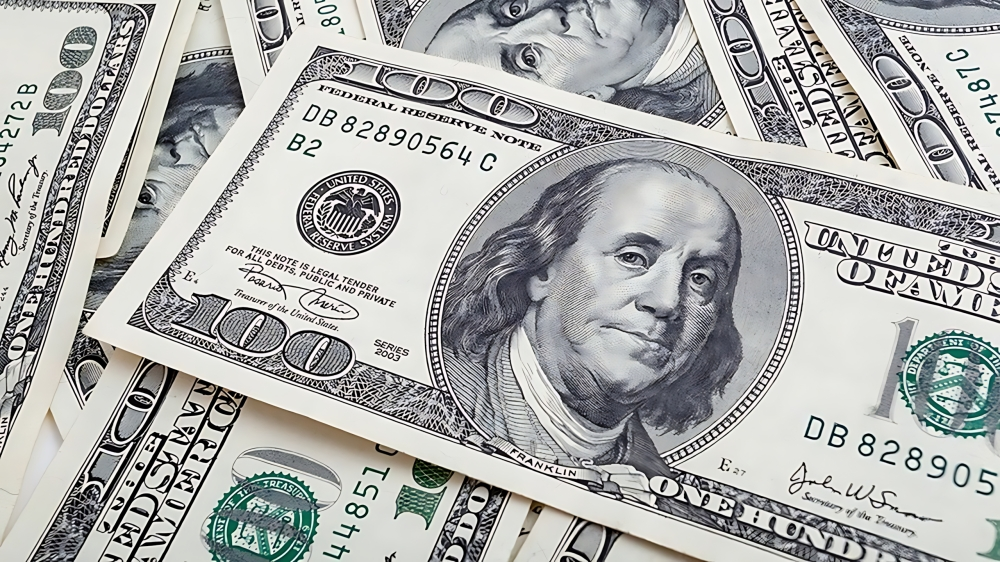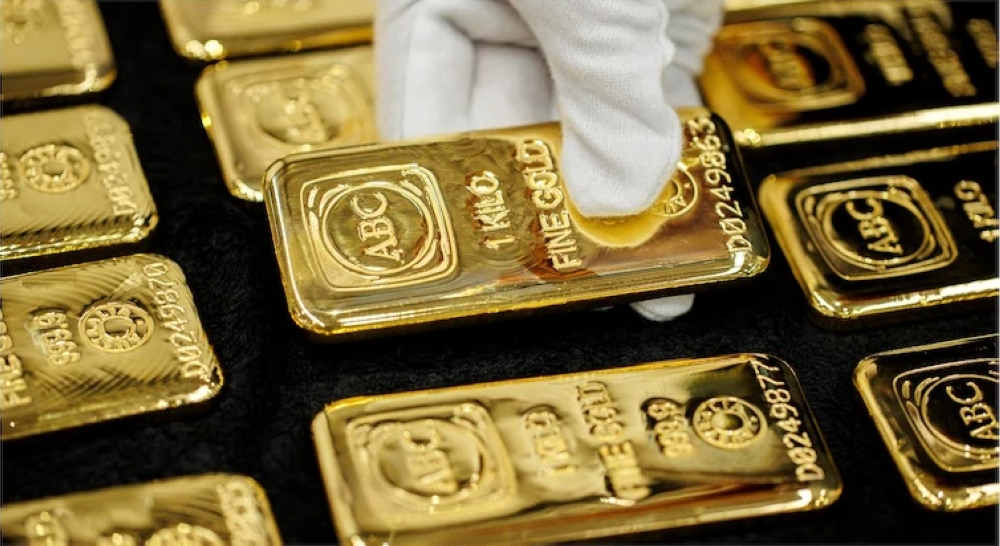
Gold prices surged on Monday, reaching their highest level in three weeks, amid widespread uncertainty in global markets. This rise was primarily driven by the fallout from a landmark US court ruling that overturned a significant portion of the tariffs imposed by President Donald Trump's administration. This decision weakened the US dollar and prompted investors to seek refuge in traditional safe havens, most notably gold.
In more detail, spot gold rose 0.6%, reaching its highest level since January 30. US gold futures for April delivery also saw a stronger increase of 1.5%, reflecting growing investor anxiety about the near-term outlook for global trade policies.
General context: The Supreme Court's decision and its implications
The primary driver of these movements is the US Supreme Court's decision on Friday, which struck down President Trump's sweeping tariffs imposed under a national emergency law. This ruling, a blow to the executive branch's power to unilaterally implement trade policies, did not calm the markets; on the contrary, it added a new layer of uncertainty. In response, President Trump announced his intention to raise the temporary tariffs on US imports from all countries from 10% to 15%, an escalatory move that triggered a sell-off in risky assets like stocks and led to a decline in the dollar.
The importance of gold as a safe haven in times of turmoil
Historically, gold has been considered a primary hedge against economic and geopolitical risks. In times of uncertainty, when currencies depreciate and stock markets fluctuate, investors turn to gold to preserve the value of their wealth. Tim Waterer, senior market analyst at KCM Trade, said, “The court ruling on tariffs has added a new layer of uncertainty to global markets, prompting traders to return to gold as a safe haven.” This behavior reflects the precious metal’s traditional role as an asset whose performance is not directly correlated with that of other financial assets.
Expected impact on the global economy
This development has significant implications for the global economy. Uncertainty surrounding the trade policy of the world's largest economy could disrupt global supply chains, increase costs for businesses, and negatively impact international economic growth. Ongoing trade tensions are also putting pressure on central banks worldwide, including the US Federal Reserve, which faces the dilemma of balancing inflation control with supporting economic growth threatened by trade wars. Recent higher-than-expected US inflation data has reinforced expectations that the Fed may not be in a hurry to cut interest rates, a factor that could limit gold's long-term gains. However, current trade risks have overshadowed this effect.
Performance of other precious metals
Meanwhile, other precious metals saw mixed performance. Silver rose 1.2% in spot trading, reaching its highest level in over two weeks, also benefiting from a weaker dollar. In contrast, platinum fell 0.3% and palladium declined 0.4%, suggesting that investors are currently focused on gold and silver as safe havens.