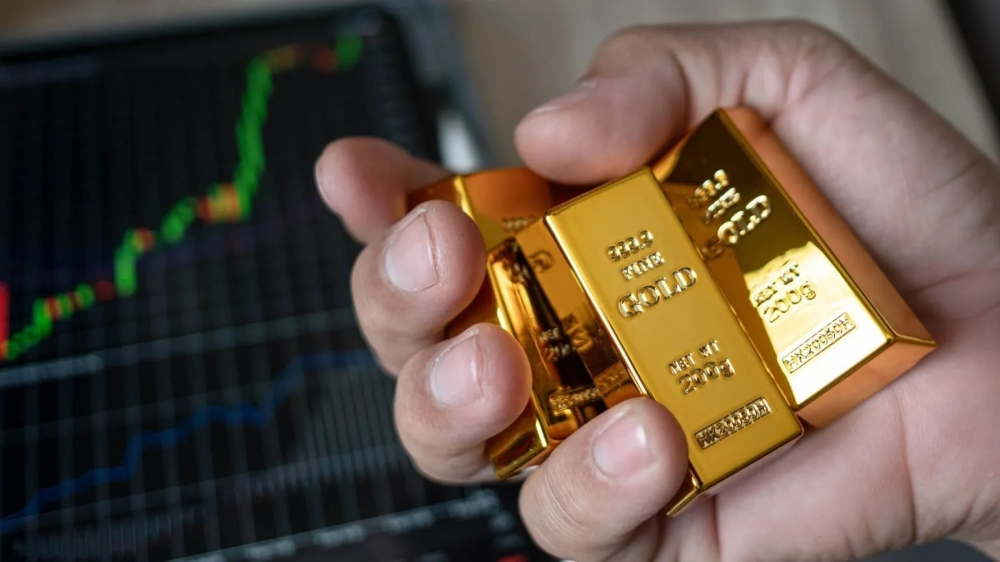
Gold prices have seen a significant rise in recent trading, hovering near their previous record highs. This surge is driven by a combination of economic and geopolitical factors, most notably growing expectations that the Federal Reserve (the US central bank) will keep interest rates unchanged at its upcoming meeting, with the possibility of a rate cut later in the year.
General context and impact of monetary policy
Historically, gold has been considered a safe haven for investors during times of economic and political uncertainty. US monetary policy plays a pivotal role in determining the price of the precious metal. When interest rates are high, the return on interest-bearing assets like government bonds increases, reducing the appeal of gold, which does not generate returns. Conversely, when expectations point toward holding or lowering interest rates, the opportunity cost of holding gold decreases, boosting demand and driving prices up. Lower interest rates also tend to weaken the US dollar, and since gold is priced in dollars, a weaker dollar makes it cheaper for buyers using other currencies, further increasing global demand.
Gold as a safe haven amid geopolitical tensions
In addition to monetary factors, geopolitical tensions in various parts of the world continue to bolster gold's status as a safe-haven asset. Ongoing conflicts and uncertainty in the international political landscape are prompting both individual investors and central banks to increase their gold holdings as a hedge against potential risks. In recent years, there has been a growing trend among central banks in emerging economies to diversify their reserves away from the US dollar by increasing their gold purchases, providing strong structural support for prices in the long term.
Performance of other precious metals and future prospects
The positive performance wasn't limited to gold; silver also saw a significant rise, benefiting from its dual status as both a precious metal and a key industrial component, particularly in the renewable energy and technology sectors. Other metals, such as platinum and palladium, are more influenced by industrial demand, especially from the automotive sector. Analysts expect gold prices to remain closely tied to US inflation data and Federal Reserve decisions in the coming months. Any indication of an economic slowdown or faster-than-expected monetary easing could propel gold to new record highs.