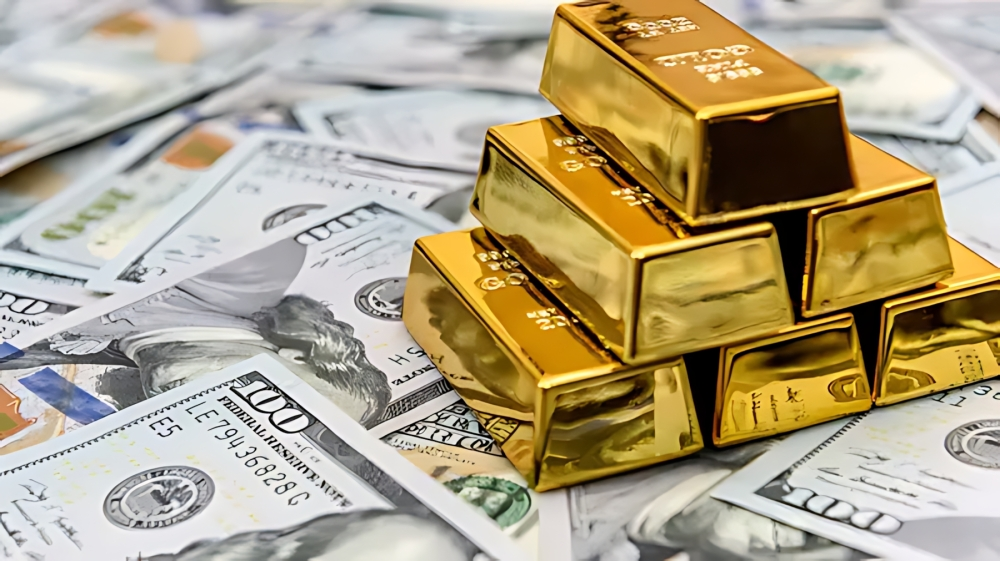
Precious metals markets saw a notable correction on Monday, with gold prices retreating slightly from their record highs, while silver held steady near the $80 per ounce mark. This divergence in performance comes amid a wave of profit-taking by investors following the significant gains of previous sessions, coupled with the impact of shifting geopolitical factors that have temporarily eased the surge in demand for safe-haven assets.
In terms of trading data, spot gold fell 0.4% to $4,512.30 per ounce by 4:26 GMT, retreating from the record high of $4,549.71 reached last Friday. US gold futures (February delivery) also declined, dropping 0.4% to settle at $4,535.10 per ounce. This decline is a healthy phenomenon in financial markets known as a "technical correction," where traders sell part of their holdings to secure cash after sharp price increases.
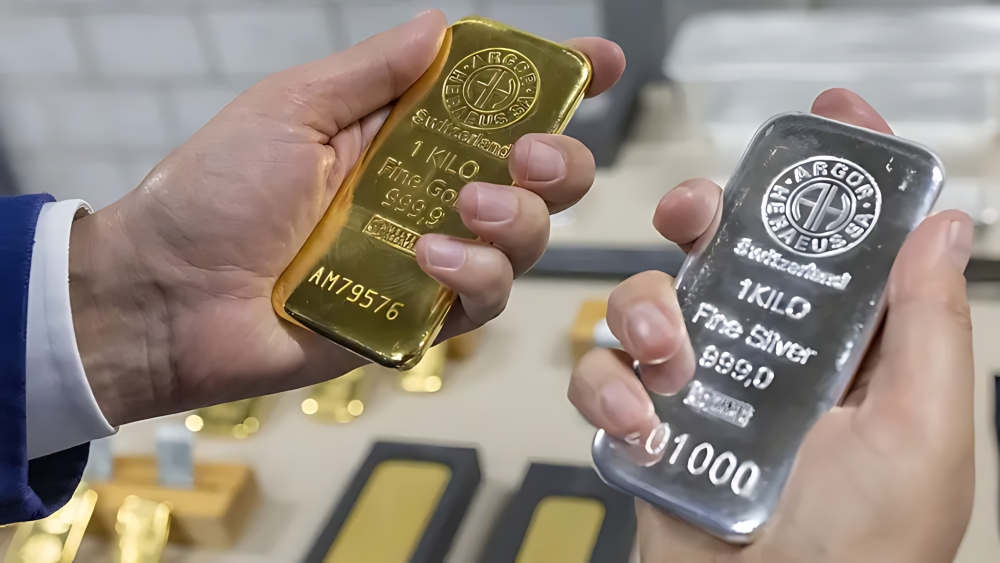
On the other hand, the white metal proved its strength and resilience. Despite spot silver falling 0.7% to $79.68 an ounce, it still maintains historically high levels, having touched an all-time high of $83.62 earlier in the session. This performance reflects silver's dual nature as both an investment and industrial metal, where rising demand from the clean energy and electronics sectors plays a crucial role in supporting prices and preventing a sharp decline compared to other metals.
Other precious metals also faced stronger selling pressure, with platinum falling 1.5% to $2,421.35 and palladium suffering even steeper losses of 6% to $1,807.59. These movements suggest a comprehensive reassessment of asset allocation by major investment portfolios in light of current global economic conditions.
From a broader perspective, 2025 is considered an exceptional year for precious metals. Gold has seen a meteoric rise of 72% since the beginning of the year, shattering all expectations and previous records. However, silver has been the dark horse in this race, achieving astonishing growth of 181%, significantly outperforming gold. This dominance of silver is attributed to its increasing status as a vital strategic metal, coinciding with global supply constraints and declining inventories in major warehouses, creating a "structural deficit" in the market that is driving prices to unprecedented levels.