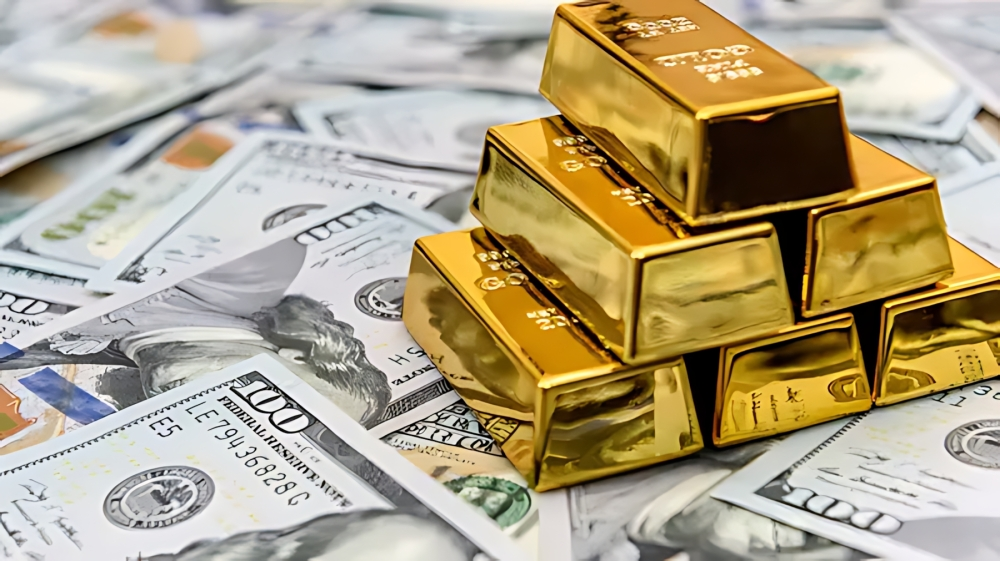
Gold and silver prices continued their strong gains on Monday, with the yellow metal soaring to new record highs, buoyed by a weakening US dollar that fell to its lowest level in several weeks. This impressive performance comes as investors eagerly await key US economic data releases this week, which could provide clearer indications of the Federal Reserve's future interest rate policy.
In trading details, spot gold rose significantly by 1.1% to $2,352.76 per ounce by 05:02 GMT. US gold futures (April delivery) also saw a similar increase of 1.1%, settling at $2,353.80 per ounce. Silver followed suit, surging 4.6% to $28.54 per ounce, extending its strong gains from the previous session.
General context and reasons for the increase
This strong rally in precious metals comes amid a complex global economic context. Historically, gold has been considered a safe haven for investors during times of economic uncertainty and geopolitical tensions. The most significant factor currently supporting prices is the weakness of the US dollar, whose index has fallen to its lowest level since February 4th. The relationship between gold and the dollar is largely inverse; a weaker dollar makes gold, which is priced in dollars, cheaper for holders of other currencies, thus increasing its appeal and driving up demand.
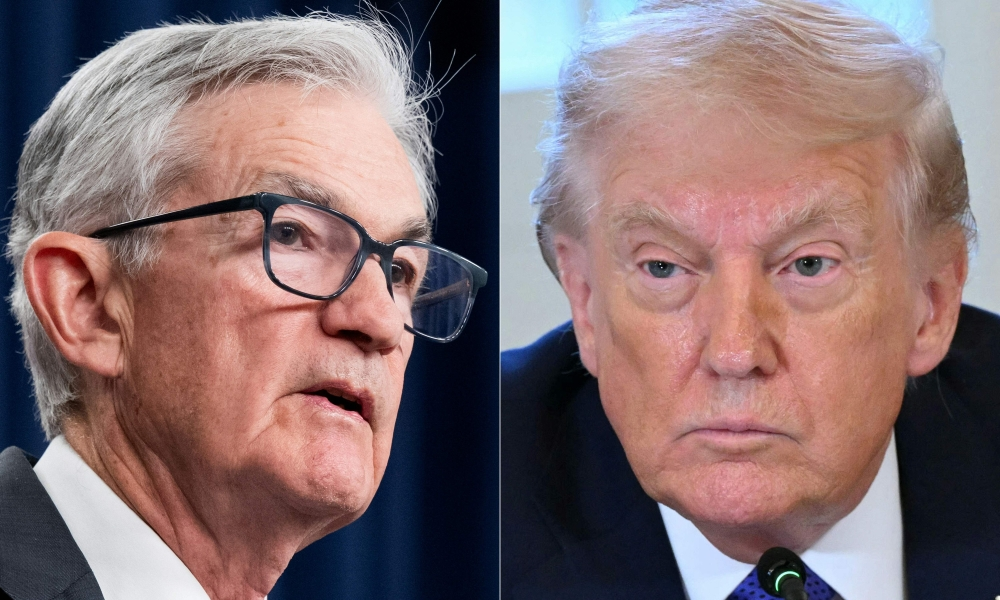
The main reason behind the dollar's weakness is the growing expectation in the markets that the Federal Reserve (the US central bank) may begin a cycle of monetary easing and interest rate cuts later this year. Higher interest rates increase the opportunity cost of holding non-yielding assets like gold, and vice versa. Therefore, any indication of an imminent rate cut enhances the appeal of the precious metal.
Importance and expected impact
Investors are eagerly awaiting the release of the monthly US employment and inflation reports this week. These data points will be crucial in assessing the health of the world's largest economy and will directly influence the Federal Reserve's decisions. If the data comes in weaker than expected, it could increase the likelihood of an interest rate cut at the June meeting, potentially driving gold prices higher. Conversely, if the data is strong, it could postpone expectations of a rate cut, which could put downward pressure on gold prices in the short term.
Globally, the rise in gold also reflects the continued increase in gold reserves by central banks worldwide, particularly in emerging economies, as part of an asset diversification strategy away from the US dollar. This institutional demand provides strong and sustained support for gold prices in the long term. As for other metals, platinum fell 0.3% to $990.13, while palladium rose 1% to $1,023.41, reflecting divergent performance linked to industrial demand for each metal.