Global markets witnessed a dramatic shift on Monday, with gold prices shattering all expectations and reaching a new record high of $4,600 an ounce. This historic surge wasn't limited to the precious metal; silver also followed suit, hitting unprecedented levels. This frenzied rush towards precious metals is fueled by escalating tensions between US President Donald Trump and Federal Reserve Chairman Jerome Powell, sparking deep concerns among investors about the future of monetary policy in the world's largest economy.
Record numbers in the metals market
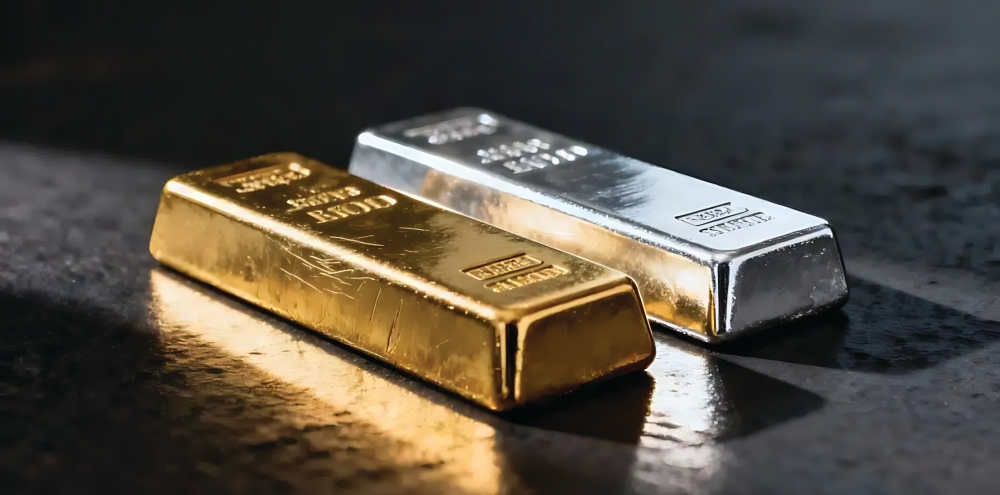
In trading details, spot gold jumped 1.7% to $4,584.12 an ounce by 11:59 GMT, after hitting a high of $4,600.33 earlier in the session. US gold futures (February delivery) also rose 2.1% to settle at $4,595. Silver was not far behind, with the white metal soaring 4.8% to $83.78 an ounce, after reaching an all-time high of $84.60. The rally extended to platinum, which rose 3.5%, and palladium, which climbed 2.5%.
Background of the conflict and its impact on the independence of the "Federal"
The primary reason behind this market turmoil is the growing concern over the erosion of the US Federal Reserve's independence. Historically, the Fed's independence from the executive branch (the White House) has been a cornerstone of the global financial system's stability, ensuring that economic decisions are based on data rather than political and electoral agendas. Jerome Powell's remarks yesterday, in which he confirmed the Fed was under intense pressure from the Trump administration to lower interest rates, have revived fears of political interference in the economy, which economists consider a dangerous sign that could lead to a loss of confidence in the dollar.
Why gold now?
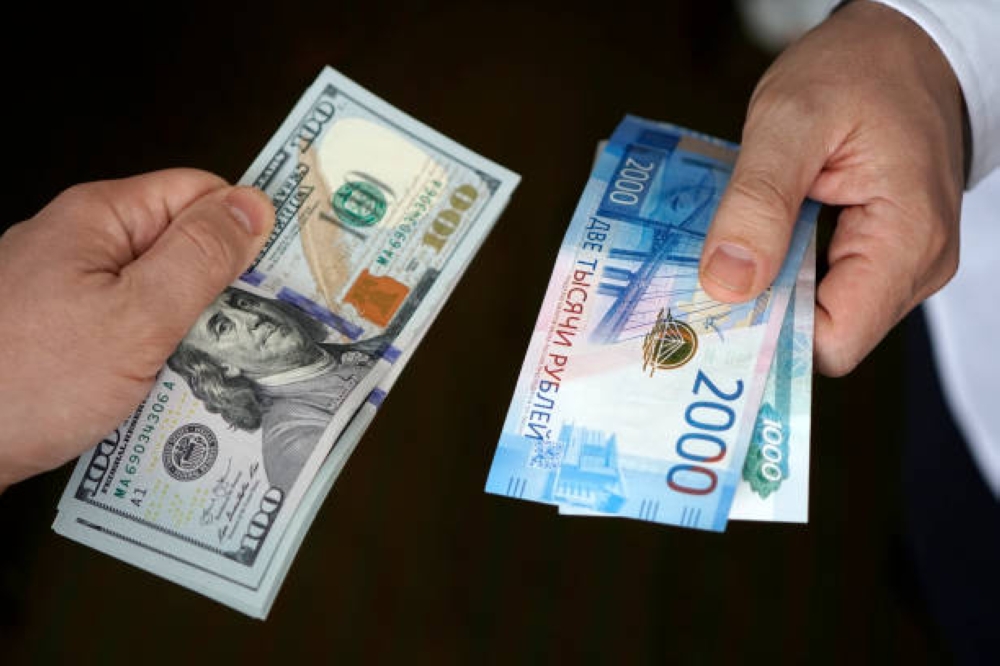
In times of political and economic uncertainty, investors and major financial institutions turn to gold as the traditional “safe haven.” The fear that Trump’s pressure to cut interest rates could reignite inflation makes holding cash (dollars) a less attractive option compared to precious metals that preserve their value over time. This investment behavior reflects concern not only about current policies but also about a potential structural shift in how US monetary policy is conducted.
Expected economic repercussions
Analysts believe that this ongoing public conflict between the presidency and the Federal Reserve could have far-reaching consequences beyond the United States. Weakening confidence in the Fed's independence could lead to a decline in the dollar's value against other major currencies, raising the cost of imports and exacerbating inflationary pressures globally. Furthermore, rising gold, silver, and platinum prices will increase production costs for numerous technology and medical industries that rely on these metals, potentially impacting the prices of finished goods for consumers.