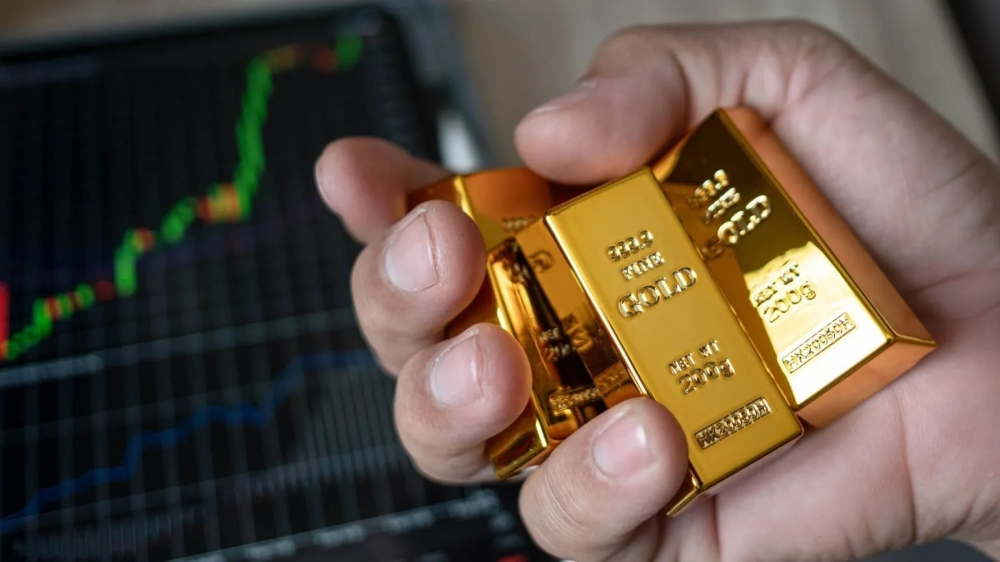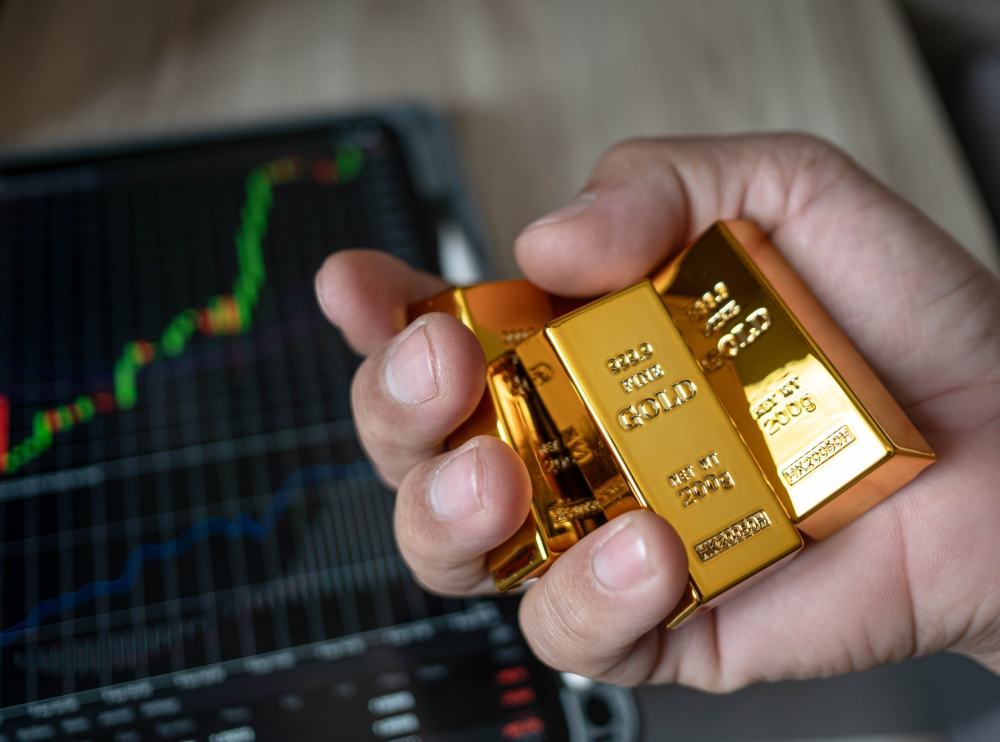
Gold prices surged to an unprecedented level, surpassing $4,600 an ounce for the first time in trading history on Monday. This record-breaking rise coincided with silver reaching new highs, driven by a massive buying spree of safe-haven assets by investors concerned about escalating geopolitical tensions and the looming institutional crisis in the United States.
Precious metals record highs
According to market data, the price of gold in spot trading jumped 1.3% to $4,566.80 per ounce by 4:10 GMT, after hitting a record high of $4,600.33 earlier in the session. The gains weren't limited to the yellow metal; other precious metals also rose, with silver soaring 4.1% to $83.20 per ounce, platinum climbing 3.4% to $2,349.59, and palladium increasing by the same percentage to $1,877.96.
The Federal Reserve's independence crisis is putting pressure on the dollar
This collapse in risk appetite and the flight to safe havens comes on the heels of fiery remarks by Federal Reserve Chairman Jerome Powell. On Sunday, Powell revealed that he was under unprecedented pressure from the Trump administration, citing threats of criminal charges related to his testimony before Congress. He described these moves as a political “pretext” aimed at undermining the central bank’s independence and forcing it to lower interest rates for political purposes, immediately triggering a sharp decline in the value of the US dollar and a drop in stock futures.
Economic context: Why gold now?
Historically, gold has been considered the primary safe haven during periods of political and economic uncertainty. The independence of central banks, particularly the US Federal Reserve, is a cornerstone of the stability of the global financial system. When investors perceive that monetary decisions (such as interest rate setting) are driven by political whims rather than purely economic data, confidence in fiat currency (the dollar) erodes, prompting capital to flee to intrinsically valuable assets like gold.
Market forecasts and global impact
Given these factors, markets are now pricing in the likelihood of at least two interest rate cuts this year, not only due to improving inflation but also as a result of anticipated political pressures. This scenario weakens the dollar's appeal as an investment vehicle, since lower interest rates reduce yields on US Treasury bonds, making gold (which does not generate interest but preserves value) the preferred option for major investment portfolios and central banks worldwide seeking to diversify their reserves away from US risk.