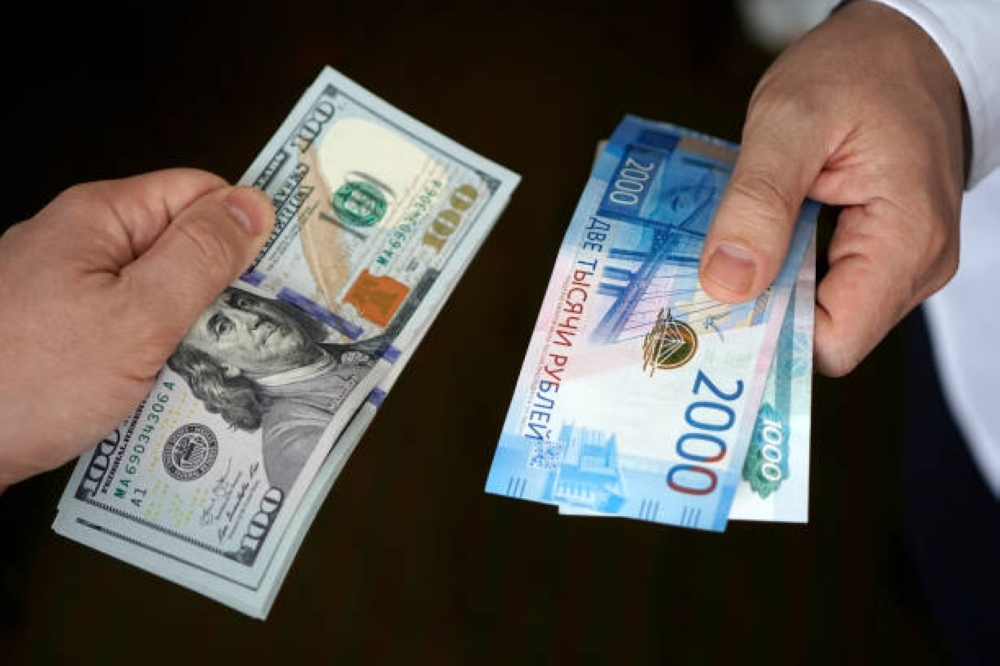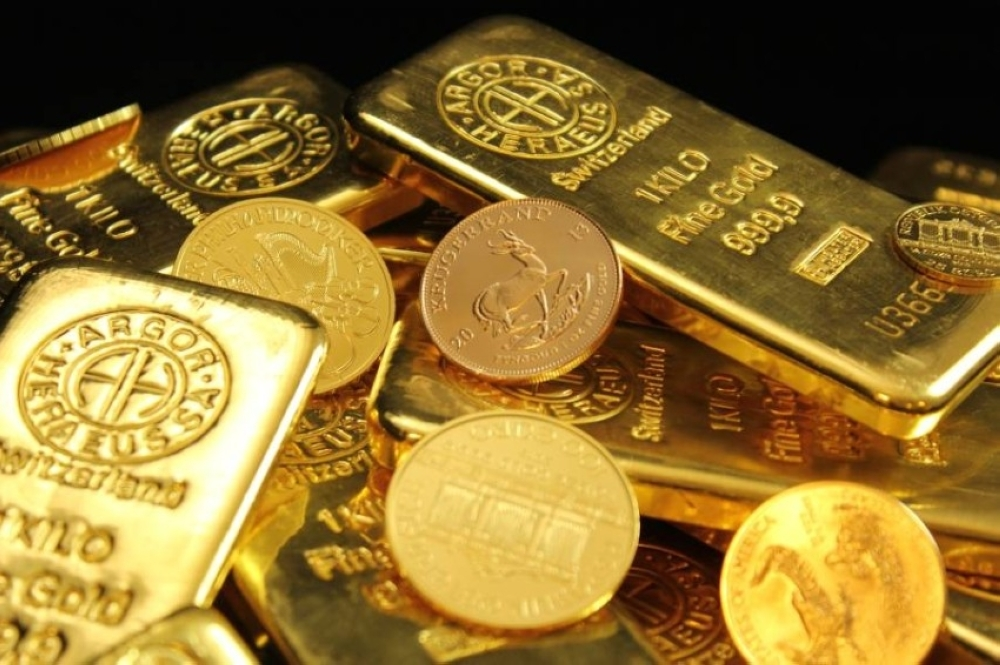
Gold prices surged to new historic highs on Wednesday, surpassing all previous records, as investors flocked to the precious metal as a safe haven. This rise was driven by a combination of economic and geopolitical factors, most notably the weakening US dollar, growing concerns about the Federal Reserve's monetary policy, and ongoing global tensions.
The historical context of gold as a safe haven
Throughout history, gold has established itself as a reliable investment asset that investors turn to for protection during times of crisis. In periods of economic uncertainty, such as the 2008 global financial crisis or the COVID-19 pandemic, gold has seen significant price increases. This is due to its intrinsic value and its independence from government policies and banking decisions that can negatively impact fiat currencies. Furthermore, central banks around the world, particularly in emerging economies, continue to increase their gold reserves to diversify their assets and reduce their reliance on the US dollar, creating sustained demand that supports prices in the long term.
The impact of the dollar and the decisions of the US Federal Reserve
The price of gold has a close inverse relationship with the US dollar. When the dollar weakens, gold becomes cheaper for buyers using other currencies, increasing demand and driving up its price. The dollar has recently come under pressure amid growing expectations that the Federal Reserve will begin a cycle of monetary easing and interest rate cuts to counter a potential economic slowdown. Lower interest rates reduce the opportunity cost of holding gold, which does not generate interest, making it more attractive compared to bonds and other interest-bearing assets.
Importance and expected effects
The record-breaking rise in gold prices is not just a number; it's a powerful indicator of the anxiety gripping global markets. Domestically, the surge in gold is impacting retail and consumer markets, while regionally and internationally, it reflects a shift in investor confidence away from riskier assets. Investors are now intensely focused on the upcoming Federal Reserve monetary policy meeting, where Chairman Jerome Powell's remarks will be scrutinized for clues about the future path of interest rates. Any hint of continued tight monetary policy could temporarily curb gold's gains, while any indication of an imminent rate cut would likely propel it to new record highs.
Regarding other precious metals, silver often moves in the same direction as gold but with greater volatility, while platinum and palladium are more affected by industrial demand, especially in the automotive sector.