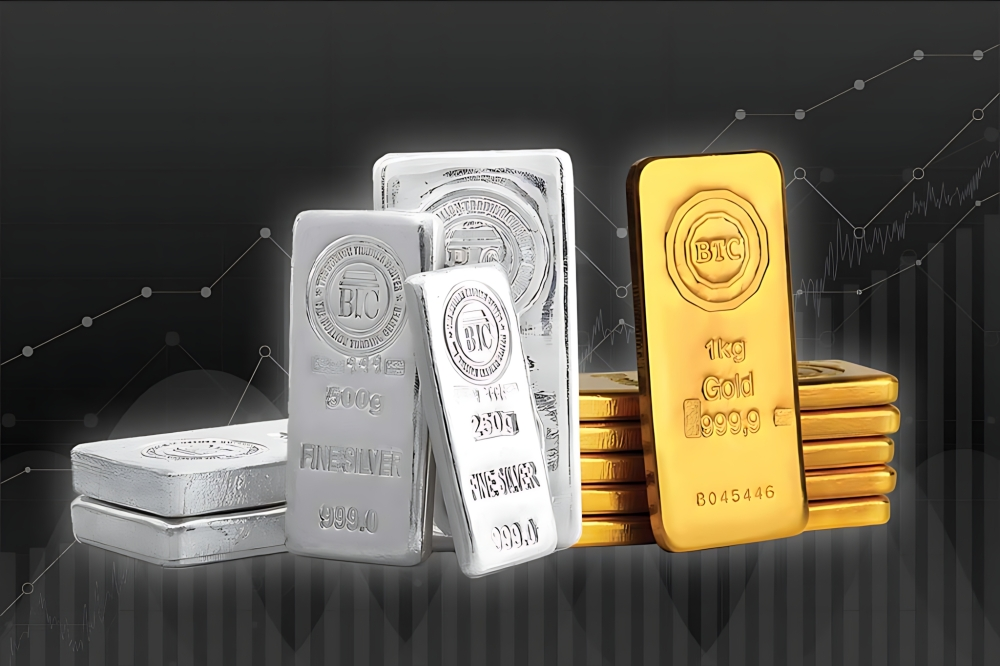
الذهب يحطم الأرقام القياسية مدفوعاً بالتوترات الجيوسياسية
في تطور لافت لأسواق المعادن الثمينة، قفزت أسعار الذهب إلى مستوى غير مسبوق في تاريخها، متجاوزة حاجز 4700 دولار للأونصة للمرة الأولى خلال تعاملات اليوم الثلاثاء. ويأتي هذا الارتفاع الصاروخي في ظل موجة إقبال واسعة من المستثمرين على الأصول التي تُعتبر ملاذاً آمناً، وذلك نتيجة لتصاعد التوترات التجارية والسياسية على الساحة العالمية. ولم يكن الذهب وحده في هذا السباق، حيث تحركت أسعار الفضة أيضاً مقتربة من أعلى مستوياتها القياسية، مما يعكس حالة القلق وعدم اليقين التي تخيم على الأسواق المالية.
وخلال التعاملات، ارتفع سعر الذهب في المعاملات الفورية بنسبة 1.2% ليصل إلى 4,726.86 دولار للأونصة، بعد أن سجل في وقت سابق من الجلسة قمة تاريخية عند 4,737.10 دولار. كما صعدت العقود الآجلة للذهب في الولايات المتحدة تسليم فبراير بنسبة 3% لتستقر عند 4,732.60 دولار للأونصة، في إشارة واضحة على قوة الزخم الشرائي.
السياق التاريخي: لماذا يلجأ المستثمرون إلى الذهب؟
على مر العصور، رسّخ الذهب مكانته كأصل للحفاظ على القيمة، خاصة في أوقات الأزمات. ففي فترات الحروب، والركود الاقتصادي، وتقلبات أسعار العملات، يثبت المعدن الأصفر قدرته على الصمود والاحتفاظ بقوته الشرائية. يعود ذلك إلى كونه أصلاً مادياً ملموساً، لا يخضع لسيطرة أي حكومة أو بنك مركزي، مما يمنحه استقلالية فريدة. إن الإقبال الحالي ليس ظاهرة جديدة، بل هو تكرار لسيناريوهات تاريخية شهدت لجوء رؤوس الأموال إلى الذهب كلما زادت حالة عدم اليقين، بدءاً من الأزمات المالية العالمية ووصولاً إلى التوترات الجيوسياسية الكبرى.
الأسباب المباشرة وتأثير السياسات العالمية
جاءت الشرارة الأخيرة التي أشعلت هذا الصعود من تهديدات الرئيس الأمريكي دونالد ترامب بفرض رسوم جمركية تصاعدية على ثماني دول أوروبية ما لم يتم السماح للولايات المتحدة بشراء جزيرة جرينلاند. هذا التهديد أعاد إلى الأذهان مخاوف اندلاع حرب تجارية جديدة، الأمر الذي قد يؤدي إلى تباطؤ النمو الاقتصادي العالمي. وفي هذا السياق، يوضح جيوفاني ستاونوفو، محلل السلع لدى بنك UBS، أن “مخاوف تباطؤ النمو الناتجة عن تهديدات الرسوم الجمركية، إلى جانب رغبة ترامب في خفض أسعار الفائدة الأمريكية، تمثل المحركات الرئيسية التي دفعت الذهب إلى تسجيل مستويات قياسية جديدة”.
وتلعب السياسة النقدية للبنوك المركزية، وعلى رأسها مجلس الاحتياطي الفيدرالي الأمريكي، دوراً محورياً. فأسعار الفائدة المنخفضة تقلل من تكلفة الفرصة البديلة لحيازة الذهب الذي لا يدر عائداً، مما يزيد من جاذبيته. كما أن استمرار البنوك المركزية حول العالم في شراء الذهب وتنويع احتياطاتها بعيداً عن الدولار الأمريكي يوفر دعماً قوياً ومستداماً للأسعار على المدى الطويل.
الفضة والمعادن الأخرى: نظرة على السوق الأوسع
لم تقتصر المكاسب على الذهب وحده، فقد ارتفعت الفضة بنسبة 0.7% إلى 95.308 دولار للأونصة. وتستفيد الفضة من كونها ملاذاً آمناً ومعدناً صناعياً في آن واحد، حيث يدخل في العديد من الصناعات الحيوية مثل الطاقة الشمسية والإلكترونيات. هذا الدور المزدوج، بالإضافة إلى تصنيفها كمعدن حرج في الولايات المتحدة ووجود عجز هيكلي في السوق، يفسر أداءها القوي. وفي أسواق المعادن النفيسة الأخرى، سجل البلاتين ارتفاعاً بنسبة 1%، بينما صعد البلاديوم بنسبة 0.9%، مما يؤكد أن موجة الصعود شملت قطاع المعادن الثمينة بشكل عام.