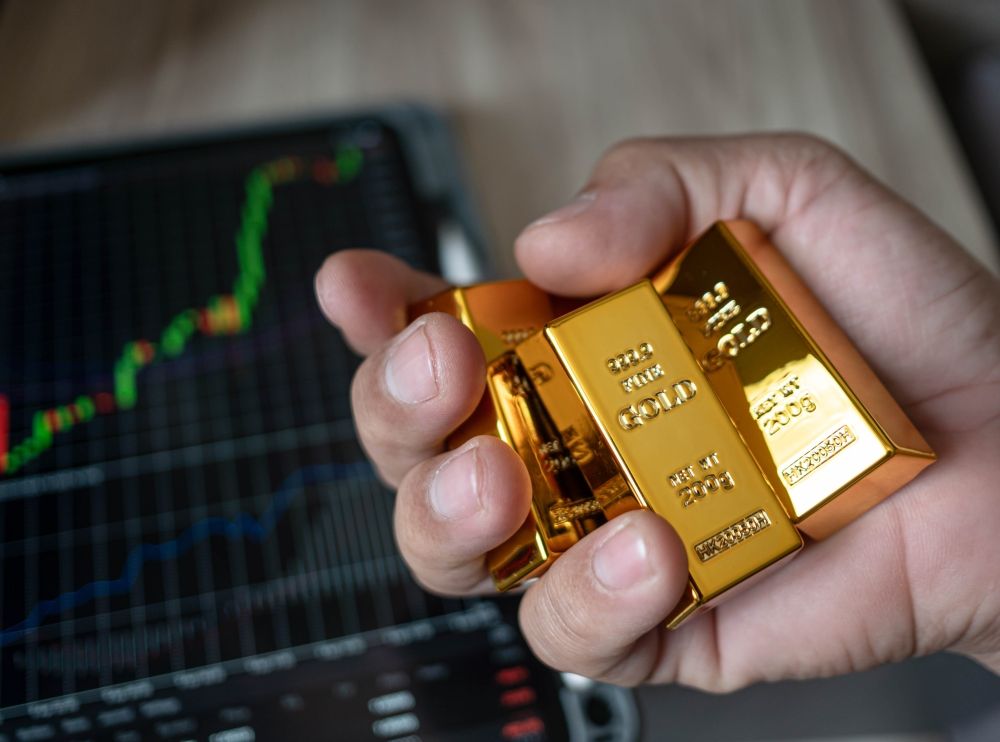
In a historic move that shook global markets, gold prices soared above $5,000 an ounce on Monday, setting a new record high and reflecting growing investor anxiety and a surge in demand for safe-haven assets. This meteoric rise comes amid escalating geopolitical tensions and increasing uncertainty about the stability of the global economy.
Details of price movements in the metals markets
According to trading data, spot gold rose 1.5% to $5,058.09 an ounce by 5:44 GMT, after hitting an all-time high of $5,092.71 earlier in the session. US gold futures (February delivery) also saw a significant increase of 1.6%, settling at $5,056.60 an ounce
This momentum wasn't limited to gold alone; it extended to other precious metals as well. Silver jumped 3.8% to $106.80, after hitting a record high of $109.44. Platinum rose 1.3% to $2,802.30 an ounce, while palladium climbed 1.2% to $2,034.75, reaching its highest level in over three years.
Historical context and the role of gold as a safe haven
Throughout history, gold has played a pivotal role as a safe haven and store of value, particularly during times of economic and political crisis. In periods of uncertainty, investors and central banks tend to shift their assets from volatile financial instruments like stocks and bonds to gold, which retains its value better. This behavior was clearly evident during the 2008 global financial crisis and the COVID-19 pandemic, when gold prices soared as investors sought refuge in it as a hedge against inflation and the devaluation of fiat currencies.
The main reasons behind the recent rise
The current surge is attributable to a combination of factors. On the one hand, several abrupt decisions by the administration of US President Donald Trump, including the threat of new tariffs on European allies and the Greenland dispute, have created a crisis of confidence in US assets and the dollar. This dollar weakness, coupled with a strengthening Japanese yen, has made dollar-denominated gold cheaper for holders of other currencies, thus increasing its appeal.
On the other hand, markets are closely watching this week's meeting of the Federal Reserve (the US central bank), amid growing expectations of an interest rate cut to counter the economic slowdown. Lower interest rates reduce the opportunity cost of holding gold, which does not yield interest, thus boosting investor demand for the asset.
Expected impact on the global economy
The unprecedented rise in gold prices carries profound implications; it is not merely a number, but a powerful indicator of the prevailing market anxiety. Internationally, this surge may prompt central banks worldwide to increase their gold holdings to diversify their reserves away from the dollar. For individual investors, this event underscores the importance of gold as a hedge and a means of preserving wealth within investment portfolios. This upward trend is expected to continue as long as the underlying geopolitical and economic factors driving it persist.