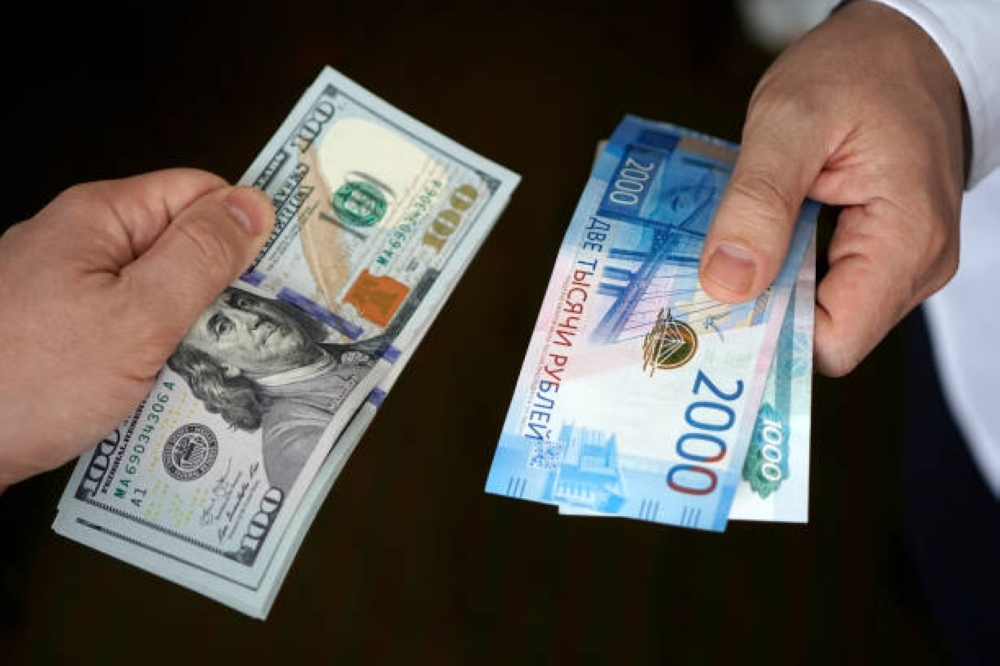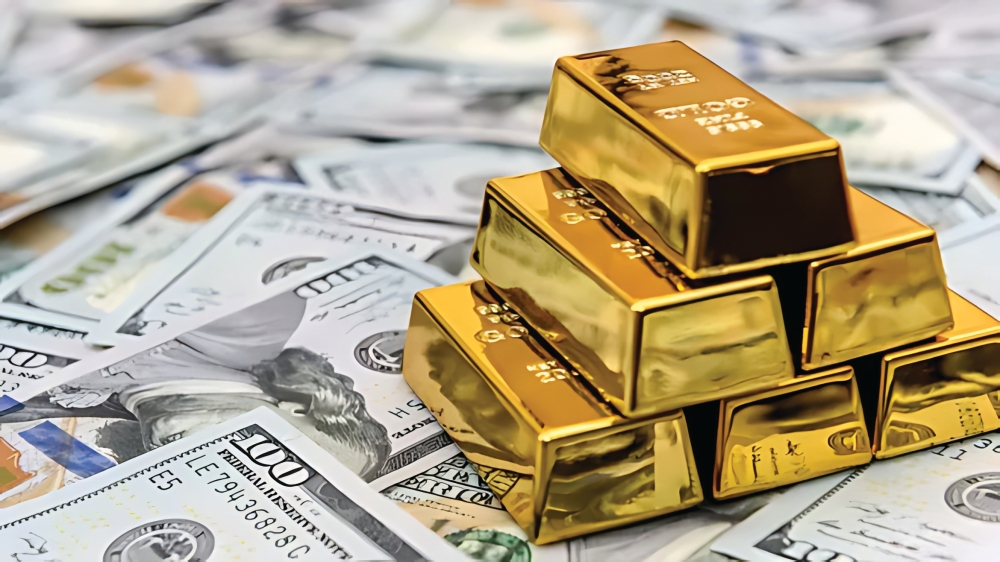
Precious metals markets witnessed a notable decline in trading on Friday, with gold continuing its downward trend, influenced by a range of economic and geopolitical factors that impacted investor decisions. This decline was driven by the release of positive US economic data that exceeded expectations, leading to a reduction in bets in financial markets on an imminent interest rate cut by the Federal Reserve (the US central bank). This, in turn, strengthened the dollar and diminished the appeal of the yellow metal.
Details of price movements in global markets
According to the latest data, spot gold fell 0.4% to $4,598.52 per ounce. U.S. gold futures for February delivery also declined 0.5% to $4,601.80. The decline wasn't limited to gold; other precious metals also fell, with spot silver dropping 1.8% to $90.70 per ounce, although it is still on track for a strong weekly gain of over 13% after reaching a previous record high of $93.57.
In the industrial and other precious metals sector, platinum fell 2.8% to $1,423.42 an ounce, while palladium lost 2.3% of its value, reaching $1,759.07 an ounce, its lowest level in a week.
The inverse relationship between interest and gold
Economically, gold has a traditional inverse relationship with US interest rates and bond yields. When strong economic data indicates a robust US economy, expectations of interest rate cuts diminish, prompting investors to seek refuge in the dollar and bonds as investment vehicles that generate returns. This contrasts with gold, which does not offer periodic returns and whose profit depends on price fluctuations. This scenario increases the "opportunity cost" of holding gold, putting downward pressure on its price.
The impact of geopolitical factors and safe havens
In addition to the economic factor, geopolitical factors played a pivotal role in this decline. The report indicated a recent easing of geopolitical tensions, which has lessened anxieties in global markets. Gold is historically known as a "safe haven" that investors turn to during times of war and political crisis to preserve the value of their assets. As situations calm down and tensions subside in conflict zones, investors tend to liquidate their gold holdings and move towards higher-risk, higher-return assets, such as stock markets, thus contributing to increased selling pressure on the precious metal.
Future expectations and their impact on markets
Economic analysts are cautiously awaiting upcoming data on inflation and the US labor market, as these will be key determinants of the Federal Reserve's future policy direction. Continued strong data could mean interest rates remain high for an extended period, potentially limiting gold's gains in the short term. On a local and regional level, the decline in global gold prices could translate into lower prices for gold jewelry and bullion in local markets, potentially stimulating consumer demand again after periods of stagnation caused by record-high prices.