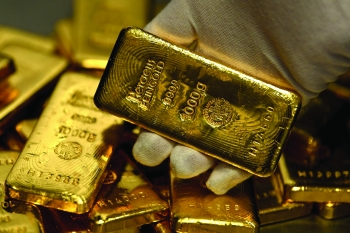
شهدت أسواق المعادن الثمينة تقلبات حادة، حيث هوت أسعار الذهب في المعاملات الفورية بنسبة تجاوزت 5%، في حركة تصحيح عنيفة أثارت قلق المستثمرين. يأتي هذا الانخفاض الكبير بعد فترة من المكاسب القوية التي دفعت المعدن الأصفر إلى تسجيل مستويات قياسية، مما يجعل هذا التراجع حدثًا محوريًا يراقبه المحللون عن كثب لفهم ديناميكيات السوق المستقبلية.
السياق العام وأسباب التراجع
يُعتبر الذهب تاريخيًا ملاذًا آمنًا يلجأ إليه المستثمرون في أوقات عدم اليقين الاقتصادي والتوترات الجيوسياسية. خلال الأزمات المالية، أو فترات التضخم المرتفع، أو النزاعات الدولية، يميل الطلب على الذهب إلى الارتفاع نظرًا لقدرته على الحفاظ على القيمة. ومع ذلك، فإن هذا الدور لا يجعله محصنًا ضد تقلبات السوق. غالبًا ما ترتبط الانخفاضات الحادة في أسعار الذهب بعدة عوامل رئيسية، أبرزها قوة الدولار الأمريكي. فعندما يرتفع مؤشر الدولار، يصبح الذهب المقوم به أكثر تكلفة لحاملي العملات الأخرى، مما يقلل من جاذبيته ويضغط على سعره.
عامل آخر مؤثر هو سياسات البنوك المركزية، وخاصة الاحتياطي الفيدرالي الأمريكي. عندما تتجه البنوك المركزية نحو تشديد السياسة النقدية ورفع أسعار الفائدة لكبح التضخم، تزداد جاذبية السندات الحكومية التي تقدم عوائد ثابتة. هذا الأمر يقلل من شهية المستثمرين للأصول التي لا تدر عائدًا مثل الذهب، مما يؤدي إلى عمليات بيع واسعة النطاق.
أهمية الحدث وتأثيره المتوقع
إن انخفاضًا حادًا بنسبة تزيد عن 5% في يوم واحد لا يؤثر فقط على المستثمرين الأفراد، بل يمتد تأثيره إلى نطاق أوسع. على المستوى المحلي، قد يؤثر على أسواق الذهب والمجوهرات، بينما على المستوى الإقليمي والدولي، يمكن أن يكون له تداعيات على احتياطيات البنوك المركزية التي تحتفظ بكميات كبيرة من الذهب كجزء من أصولها. كما يعكس هذا التراجع تحولًا في معنويات المستثمرين، قد يشير إلى تزايد الثقة في الاقتصاد العالمي وتوجههم نحو الأصول ذات المخاطر العالية مثل الأسهم، أو قد يكون مجرد حركة جني أرباح طبيعية بعد موجة صعود قوية.
يتوقع الخبراء أن تظل أسعار الذهب متقلبة في المدى القصير، حيث يترقب السوق البيانات الاقتصادية القادمة، وخاصة مؤشرات التضخم وقرارات أسعار الفائدة من البنوك المركزية الكبرى. سيحدد مسار هذه المؤشرات ما إذا كان هذا الهبوط مجرد تصحيح مؤقت أم بداية لاتجاه هابط جديد للمعدن النفيس.