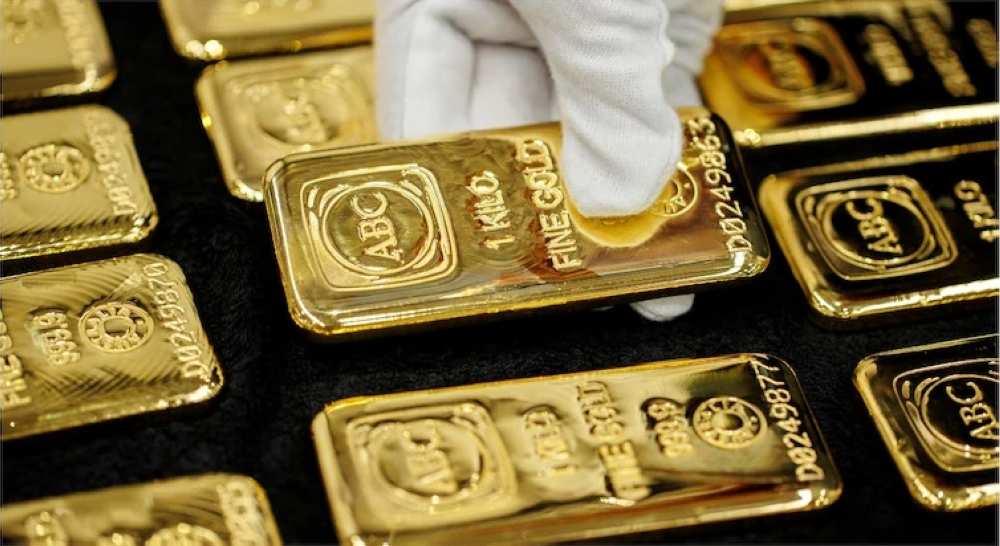
شهدت أسواق المعادن الثمينة تحولاً ملحوظاً في تعاملات اليوم الإثنين، حيث تراجعت أسعار الذهب منهية سلسلة من الارتفاعات القياسية التي حققتها في الآونة الأخيرة. وجاء هذا الهبوط مدفوعاً بشكل رئيسي برغبة المستثمرين في جني الأرباح المحققة خلال الجلسات السابقة، بالتزامن مع هدوء نسبي في المخاوف الجيوسياسية، مما قلل من جاذبية المعدن الأصفر كملاذ آمن في الوقت الراهن.
وفي تفاصيل التداولات، انخفض سعر الذهب في المعاملات الفورية بنسبة 1.5% ليصل إلى 4,465 دولاراً للأوقية بحلول الساعة 13:00 بتوقيت جرينتش. ولم تكن العقود الآجلة للذهب في الولايات المتحدة بمنأى عن هذا التراجع، حيث سجلت هي الأخرى انخفاضاً بنسبة 1.5% لتستقر عند 4,482 دولاراً للأوقية. ويأتي هذا التصحيح السعري كحركة فنية متوقعة بعد موجة الصعود القوية، حيث يعمد المتداولون عادة إلى إغلاق مراكزهم الشرائية لتأمين السيولة قبل إغلاق الدفاتر السنوية.
ولم يقتصر الهبوط على الذهب فحسب، بل امتدت موجة التراجع لتشمل كافة المعادن النفيسة الأخرى وبنسب أكثر حدة. فقد هوى سعر الفضة في المعاملات الفورية بنسبة 5.4% مسجلاً 74.90 دولار للأوقية، متخلياً بذلك عن أعلى مستوى قياسي له كان قد سجله في وقت سابق من الجلسة عند 83.62 دولار. كما تكبد البلاتين خسائر فادحة بنسبة 6.5% ليهبط إلى 2291 دولاراً بعد ملامسته مستوى تاريخياً عند 2478.50 دولار، في حين كان البلاديوم الأكثر تضرراً بانخفاض حاد بلغت نسبته 13% ليصل إلى 1674.25 دولار للأوقية.
ويرى المحللون الاقتصاديون أن هذا التراجع الجماعي يعكس حالة من الحذر والترقب تسيطر على الأسواق العالمية. فمن الناحية الاقتصادية، تتجه الأنظار صوب محضر اجتماع مجلس الاحتياطي الفيدرالي (البنك المركزي الأمريكي) لشهر ديسمبر، والمقرر صدوره يوم غد الثلاثاء. وتكتسب هذه الوثيقة أهمية قصوى لأنها ستقدم إشارات واضحة حول توجهات السياسة النقدية ومسار أسعار الفائدة خلال الأشهر المقبلة.
ومن المعروف اقتصادياً وجود علاقة عكسية غالباً بين أسعار الفائدة والذهب؛ حيث تؤدي أسعار الفائدة المرتفعة إلى زيادة تكلفة الفرصة البديلة لحيازة الذهب الذي لا يدر عائداً، مما يدفع المستثمرين نحو أدوات استثمارية أخرى مثل السندات والدولار. لذا، فإن أي تلميح في المحضر الفيدرالي حول استمرار التشديد النقدي قد يضغط بمزيد من السلبية على أسعار المعادن، بينما قد تؤدي أي إشارات للتيسير إلى عودة الزخم الشرائي.
ختاماً، يُعد هذا الانخفاض جزءاً من الدورة الطبيعية لأسواق المال، حيث تتبع القفزات السعرية الكبيرة عادة عمليات تصحيح وجني أرباح، خاصة مع اقتراب نهاية العام المالي وسعي المحافظ الاستثمارية لإعادة التوازن لمراكزها المالية.