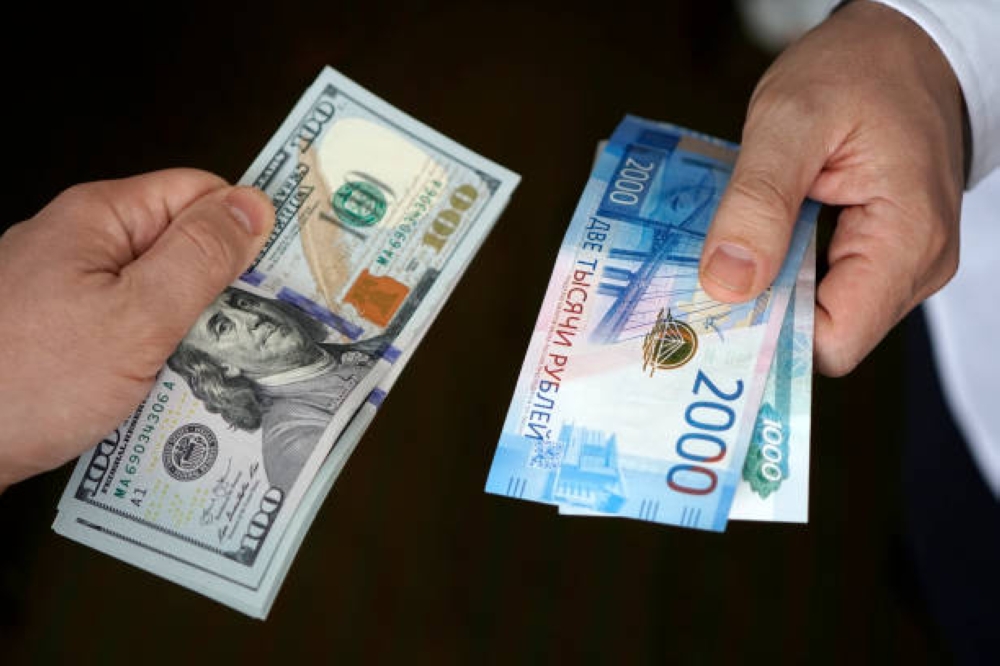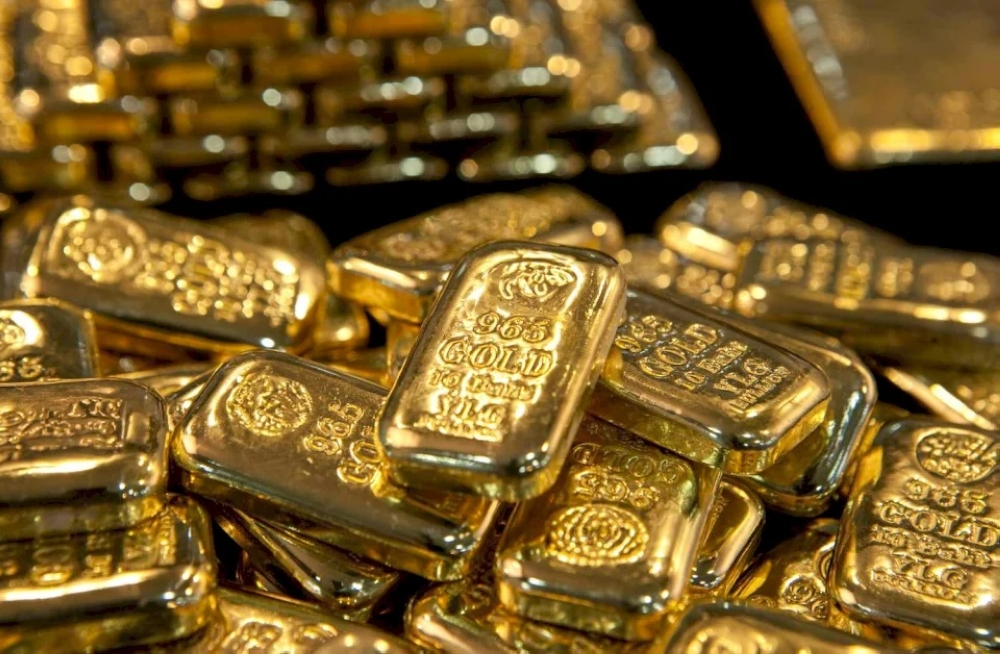
Gold prices edged higher on Friday, but remained on track for their third consecutive weekly decline. This notable drop comes amid continued pressure from a strong US dollar and the Federal Reserve's (the US central bank) inclination to maintain its monetary tightening policy. These factors combined have dampened investor hopes for near-term interest rate cuts.
In trading, spot gold rose 0.2% to $4,657.50 an ounce by 01:12 GMT. Despite this brief increase, the precious metal is down more than 7% so far this week. Meanwhile, U.S. gold futures for April delivery climbed 1.1% to $4,657.90. The movements weren't limited to gold; other precious metals also saw gains. Spot silver rose 0.1% to $73 an ounce, platinum climbed 0.1% to $1,972.80, and palladium gained 0.4% to $1,452.21.
The historical context of gold price movements and its relationship to the dollar
Historically, gold prices inversely related to the movement of the US dollar and interest rates. The precious metal is considered a traditional safe haven for investors during times of economic and geopolitical crisis, or when inflation is high. However, when the US Federal Reserve adopts tight monetary policies, such as raising interest rates or keeping them high for extended periods, government bonds and fixed-income assets become more attractive than gold, which does not generate a periodic return.
This historical pattern clearly explains the current pressures facing global markets. The strength of the US dollar makes precious metals more expensive for investors holding other currencies, thus reducing global demand and pushing prices downward.
Economic repercussions and the impact of declining gold prices on markets
This continued decline in the value of gold has far-reaching implications and effects, extending to local, regional, and international markets. Internationally, the price drop reflects investors' relative confidence in the strength of the US economy and its ability to absorb higher interest rates, thus redirecting capital flows toward global stock and bond markets in search of higher returns.
At the regional and local levels, the price decline could present a favorable opportunity for consumers in retail markets, particularly in Arab and Asian countries that experience high seasonal demand for gold jewelry for adornment and personal savings. Lower costs encourage individuals to increase their purchases, thus stimulating sales in local markets.
Furthermore, central banks around the world are closely monitoring these price movements. Recent years have seen a notable trend among many countries to increase their gold reserves as a strategic move to diversify assets and reduce over-reliance on the dollar. The current price decline may encourage these major institutions to bolster their strategic purchases, potentially providing some support to prices and preventing a sharp drop. Ultimately, the market's trajectory in the near future remains contingent on upcoming economic data and the direction of global monetary policy.