Global financial markets witnessed a significant shift in investor risk appetite on Thursday, leading to a notable decline in gold and other precious metal prices. This drop was driven by a decrease in geopolitical tensions that had recently dominated the global landscape, coupled with a strong recovery in the value of the US dollar, which diminished the appeal of gold as a traditional safe haven for investors during times of crisis.
Details of price movements in the markets
According to available market data, spot gold fell 0.8% to $4,796.75 per ounce by 5:24 GMT. US gold futures (February delivery) also declined, dropping 0.8% to settle at $4,799.90 per ounce. This decline follows a previous rally fueled by political and economic concerns.
The geopolitical factor: Trump and the Greenland issue
Political developments played a pivotal role in calming markets, as concerns eased following news that US President Donald Trump had backed down from his previous threats to impose new tariffs and withdrawn his controversial proposals to forcibly annex Greenland. Historically, Greenland is a region of major strategic and geopolitical importance, and any tension surrounding its sovereignty raises international concerns, particularly between the United States and European countries. The return to calm on this issue sent reassuring signals to investors, prompting them to move out of safe havens and back into higher-yielding assets.
The impact of dollar strength on precious metals
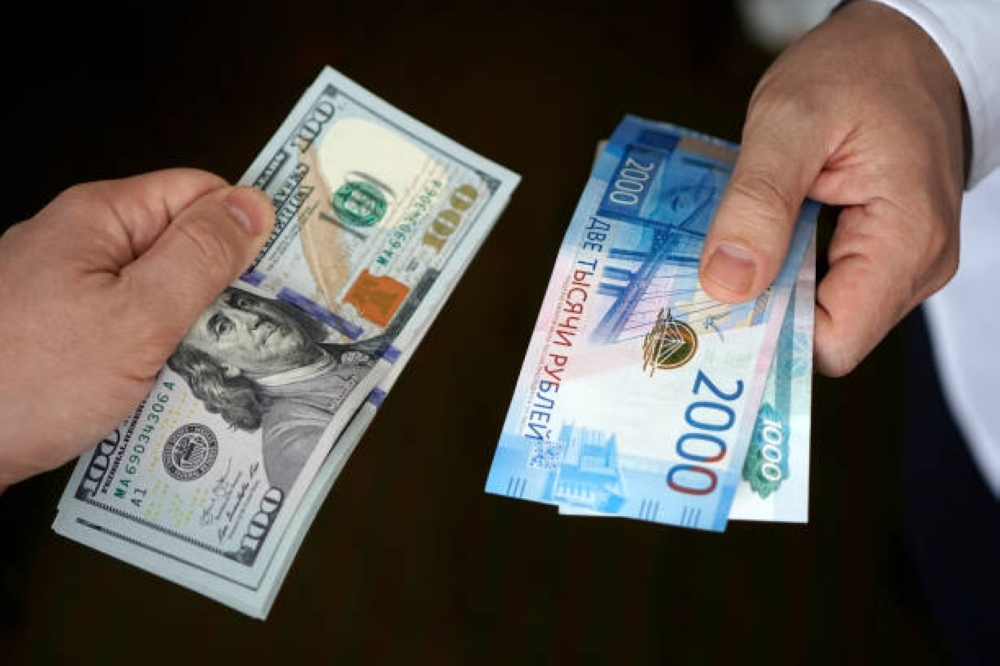
From a purely economic perspective, the strengthening US dollar has exerted significant downward pressure on gold prices. It is well-established in financial markets that there is a traditional inverse relationship between the dollar and gold; when the value of the US currency rises, dollar-denominated commodities (such as gold) become more expensive for holders of other currencies, thus weakening global demand and pushing prices down. This dollar appreciation reflects investor confidence in the US economy and their expectations of potentially tighter or more stable monetary policies compared to other economies.
Performance of other metals
The decline wasn't limited to gold; it extended to other precious metals as well. Silver fell 0.1% to $93.19 an ounce, giving up some of its gains after hitting a record high of $95.87 last Tuesday. In the industrial precious metals sector, platinum lost about 2% of its value, dropping to $2,433.50, while palladium declined 0.6% to $1,829.29, indicating a broader correction across the metals sector.