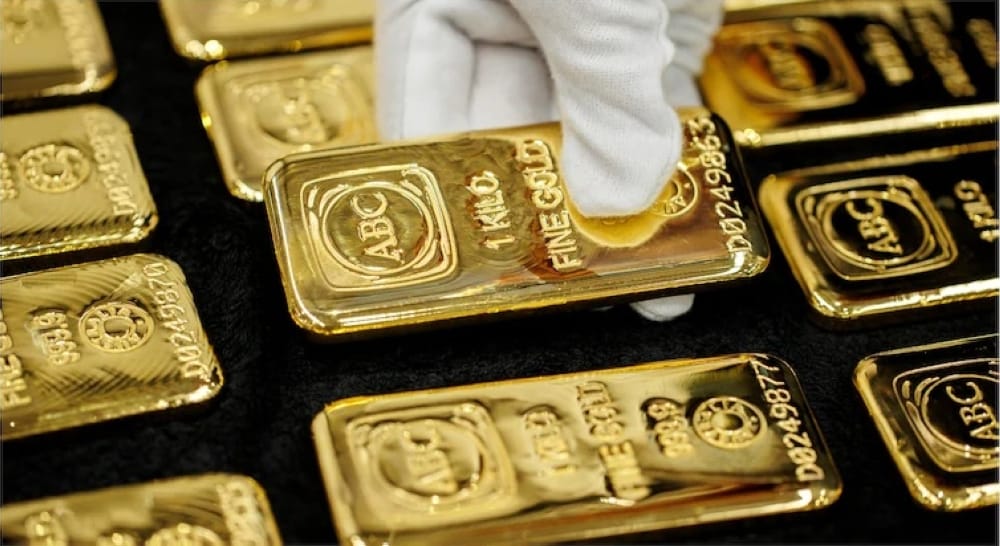
Gold prices fell sharply in trading today, influenced by better-than-expected US economic data, particularly in the jobs sector, which dampened investor hopes for an imminent interest rate cut by the Federal Reserve (the US central bank). This decline reinforces the traditional inverse relationship between the strength of the US dollar and the performance of the precious metal.
In trading details, the spot price of gold fell slightly, nearing critical levels, and US gold futures also declined. The impact wasn't limited to gold; other precious metals were also affected. Silver, after strong gains in the previous session, also retreated. Platinum and palladium were similarly influenced by the overall market trend, with their divergent performances reflecting their respective supply and demand dynamics.
Economic context: Why do jobs data affect gold?
Gold has historically been considered a safe haven for investors during times of economic and political uncertainty. It also benefits from low interest rates, as these reduce the opportunity cost of holding the non-yielding asset. A strong jobs report, however, signals the strength of the US economy and its ability to withstand tight monetary policy. This gives the Federal Reserve more flexibility to keep interest rates high for longer to fully curb inflation, which in turn puts downward pressure on gold prices.
The importance of the event and its expected impact
The significance of this data lies in its reshaping of market expectations regarding the monetary policy trajectory of the world's largest economy. While markets had been pricing in a high probability of an interest rate cut starting in the first quarter of the year, the latest data has pushed back those expectations. Domestically, this means continued high borrowing costs for businesses and consumers. Regionally and internationally, the continued strength of the dollar makes dollar-denominated commodities, particularly gold and oil, more expensive for holders of other currencies, potentially impacting global demand. Furthermore, the decisions of the US Federal Reserve directly influence the decisions of other central banks worldwide.
Investors are now eagerly awaiting upcoming economic data, primarily inflation reports (the Consumer Price Index), as well as statements from Federal Reserve officials, to obtain clearer indications about the likely timing of the first interest rate cut, which in turn will determine the next direction for gold prices in the short and medium term.