Precious metals markets witnessed dramatic shifts as 2025 drew to a close and 2026 began, with gold prices declining at the start of the new year, thus ending a historic rally described as the strongest in decades. This divergence in performance reflects a state of anticipation and caution prevailing among investors in global markets, amidst widespread profit-taking following the unprecedented price peaks.
The end of an exceptional year and the beginning of a correction
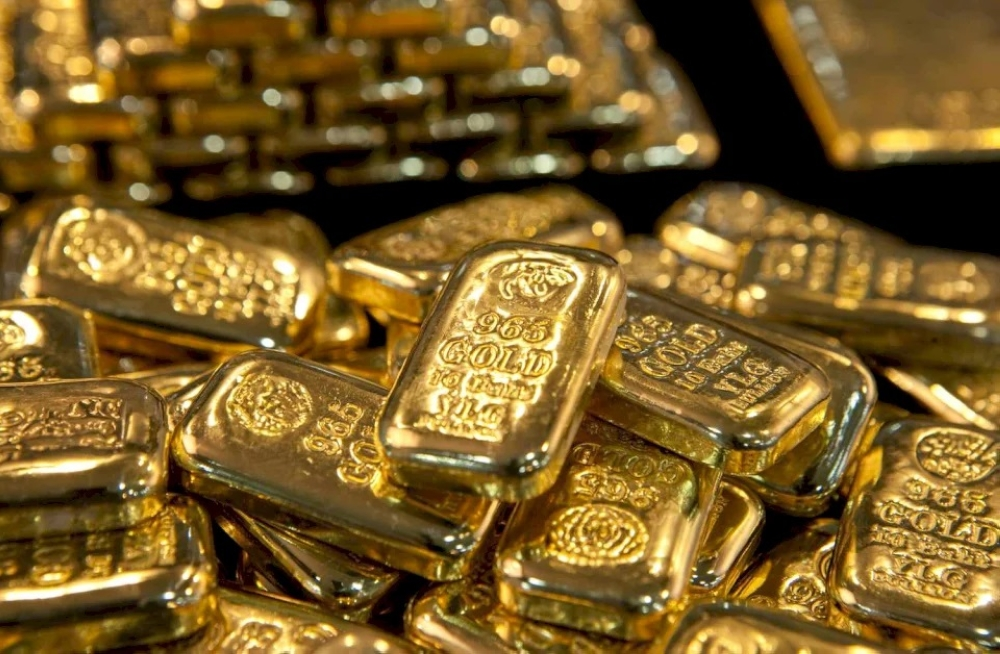
Gold and other precious metals ended 2025 with a remarkable performance, as prices rebounded in the final days of the year, particularly last Tuesday, following a series of sharp sell-offs. This momentum propelled the precious metal to its strongest annual performance since 1979, a year historically associated with major global economic and political crises that drove investors to safe havens. This record-breaking performance in 2025 made gold the talk of the markets, as it broke a series of record highs, reaffirming its status as a key hedge against volatility.
Details of trading at the beginning of 2026
As trading began in the new year of 2026, amid relatively calm conditions due to the holidays, markets reversed course and began to decline. In spot trading on Wednesday, the price of gold fell 0.9% to $4,307.56 per ounce by 12:19 GMT, its lowest level in more than two weeks. US gold futures (February delivery) were not immune to this decline, dropping 1.5% to $4,318.90 per ounce.
At the close of trading on the first day of the new year, gold prices settled lower, with US futures contracts falling 0.3% to settle at $4,329.60 an ounce. Meanwhile, spot trading showed slight fluctuations, rising marginally by 0.28% to $4,326.23 an ounce, indicating a state of volatility and uncertainty regarding the future price direction.
Economic indicators and market expectations
This decline at the beginning of 2026 carries significant economic implications; it is viewed as a natural “correction” following the substantial gains achieved. Large investors and investment funds often sell a portion of their holdings to realize profits at the start of a new fiscal year, which temporarily puts downward pressure on prices. Nevertheless, gold retains its long-term investment appeal, particularly given the continued presence of the factors that fueled its rise in 2025, such as geopolitical tensions and concerns about global inflation.
Analysts believe that the end of the “historic year” does not necessarily mean the end of the upward cycle, but may be the establishment of new price levels (Price Floors) above the $4,000 barrier, which is reshaping the investment map in precious metals globally, and makes monitoring support and resistance levels in the coming weeks crucial for both investors and central banks.