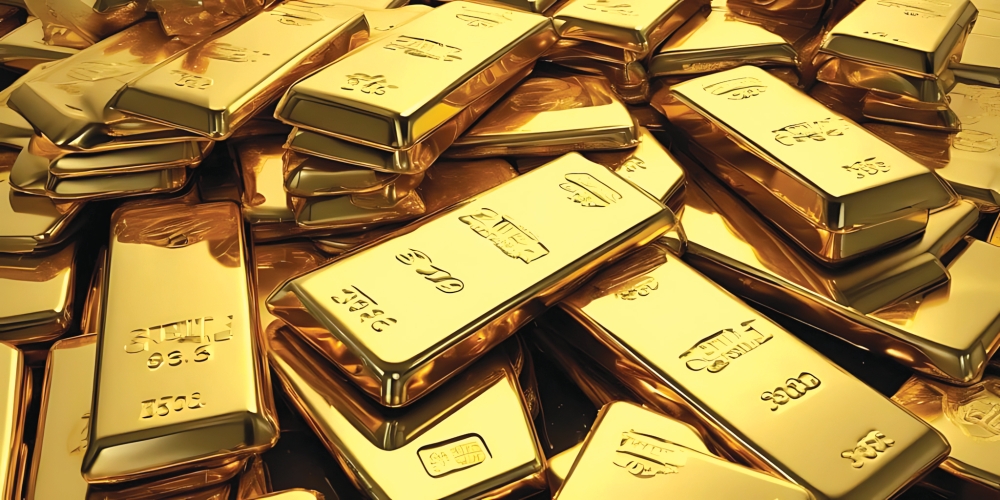
Gold prices saw a notable decline of approximately 1% during trading on Thursday, after posting consecutive gains in the previous two sessions. This decline comes amid cautious anticipation from investors awaiting clearer signs of progress in de-escalation efforts in the Middle East. These geopolitical developments are considered crucial, as they are expected to shape the direction of financial markets and monetary policies globally in the coming period.
The historical context of gold price fluctuations during crises
Gold prices have historically been linked to geopolitical crises and wars, with the precious metal considered the primary safe haven for investors during times of uncertainty. Over the decades, tensions in the Middle East have proven capable of sending shockwaves through global markets, prompting capital flight from riskier assets to gold. However, once signs of de-escalation or effective diplomatic interventions emerge, markets quickly relinquish some of their gains, which explains the current price decline in response to news of a potential end to the conflict.
Details of the decline in gold and precious metal prices
In trading, gold prices 1% to $4,476.51 per ounce by 05:55 GMT. Similarly, US gold futures for April delivery declined 2.1% to $4,457. The decline wasn't limited to gold; other precious metals also fell. Silver dropped 1.9% to $69.90 per ounce, platinum fell 1.4% to $1,893.60, and palladium declined 2% to $1,394.83.
Economic repercussions and the impact of the conflict on global markets
This decline comes amid conflicting political statements regarding the course of the conflict. US President Donald Trump stated that Iran is striving to reach an agreement to end the war, which has been ongoing for nearly four weeks, and threatened to intensify pressure on it if it refuses to acknowledge military defeat, according to White House spokeswoman Caroline Leavitt. In contrast, the Iranian Foreign Minister confirmed that his country is considering a US proposal but does not intend to enter into negotiations to end the conflict.
This conflict has cast a long shadow over energy markets, with Brent crude prices rebounding above $100 a barrel. There are growing fears that the continuation of the conflict will lead to deeper disruptions in energy supplies, especially after Tehran's attacks on countries hosting US bases and the de facto closure of the strategic Strait of Hormuz, through which roughly one-fifth of the world's oil and liquefied natural gas supplies pass. This closure poses a direct threat to the international and regional economy, further exacerbating instability.
The future of monetary policies and their expected impact
Kyle Rodda, senior financial markets analyst at Capital.com, explained that market movements over the next 24 to 48 hours will remain contingent on news related to the negotiations. He indicated that the picture will become clearer at the beginning of next week, particularly regarding the possibility of a US ground intervention in Iran, according to Reuters reports.
On the other hand, rising oil prices typically increase inflationary pressures by raising transportation and manufacturing costs. While inflation supports gold as a safe haven, central banks' response of raising interest rates diminishes the appeal of the non-yielding metal. According to the CME Group's FedWatch tool, the probability of a US interest rate cut this year has dwindled to almost zero, after previous forecasts had predicted at least two cuts before the current crisis erupted.