Gold prices saw a significant decline at the start of trading on Monday, briefly falling below $5,000 an ounce. This drop coincided with a similar decline in silver prices, amid sharp fluctuations in financial markets that directly impact the movement of precious metals.
Details of the decline in gold and silver prices in the markets
The price of gold in spot trading reached approximately $5,016, while futures contracts fell by nearly 1% to settle at $5,019 by 10:35 GMT. Losses were not limited to the primary safe haven, extending to other precious metals; silver also declined by about 1% to $80 per ounce, continuing the downward trend that began in the previous session.
The historical dynamic between the dollar and precious metals
Historically, precious metal prices have a strong inverse relationship with the performance of the US dollar. In this context, the US dollar index has risen significantly, reaching its highest level in several months. This strong rally in the greenback adds further selling pressure to dollar-denominated commodities, making gold more expensive for investors holding other currencies. The roots of this decline can be traced back to the end of last week, specifically Thursday, when markets reacted to diminishing expectations that the Federal Reserve would cut US interest rates in the near future. It is a well-established economic principle that high interest rates increase the opportunity cost of holding non-yielding assets like gold, prompting investors to seek other financial instruments that offer fixed returns.
Geopolitical tensions and their impact on the direction of global liquidity
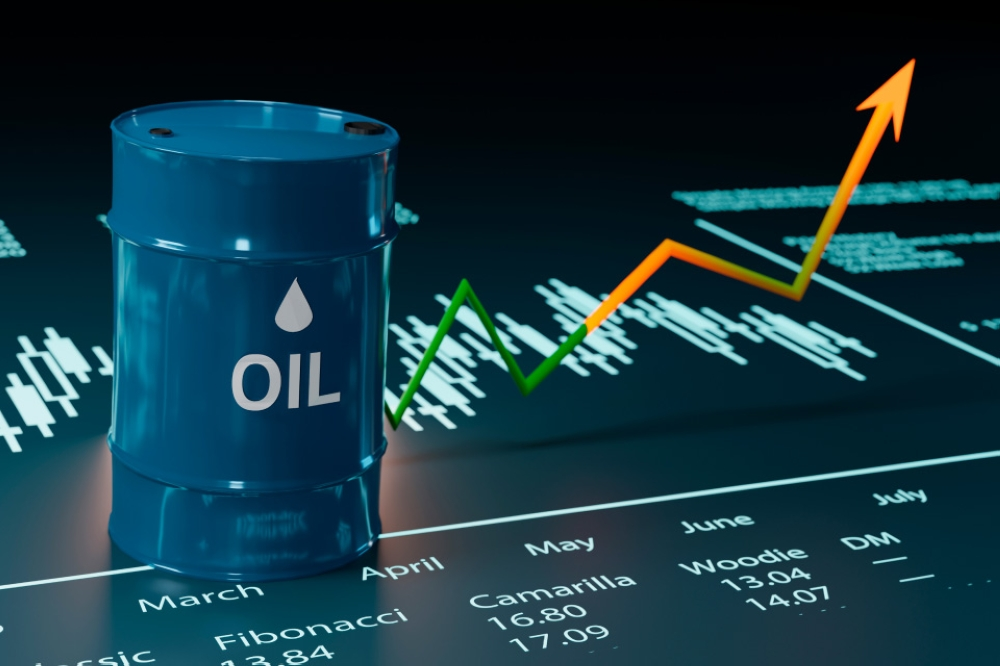
At the regional and international levels, geopolitical tensions are playing a crucial role in reshaping the global investment landscape. Amid the escalating conflict between the United States and Iran, energy markets have undergone radical transformations. This conflict has led to a significant surge in crude oil prices, with Brent crude surpassing $100 per barrel upon the resumption of trading. This dramatic increase in energy costs has triggered a repositioning of investments, with capital and liquidity shifting rapidly towards energy and oil derivatives markets to capitalize on the upward momentum, thus moving away from the precious metals sector.
This shift in liquidity reflects the critical importance of geopolitical events in the Middle East, the repercussions of which extend beyond the regional level, impacting global inflation rates, production costs, and the decisions of major central banks. Consequently, the continuation of these tensions could keep commodity markets in a state of perpetual volatility, requiring investors to closely monitor political and economic developments to determine their future course and mitigate unexpected risks.