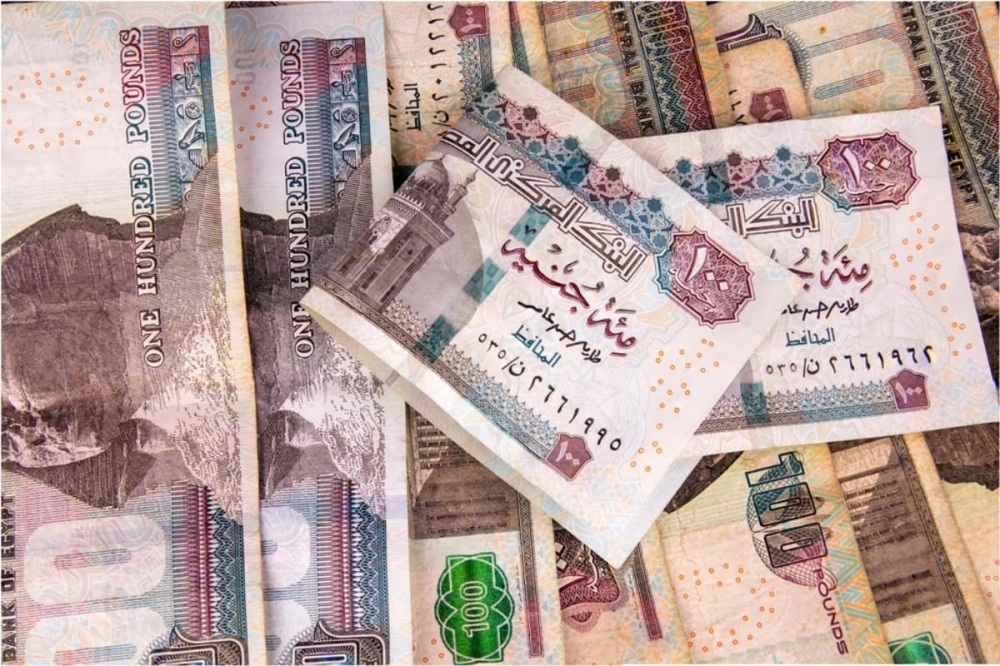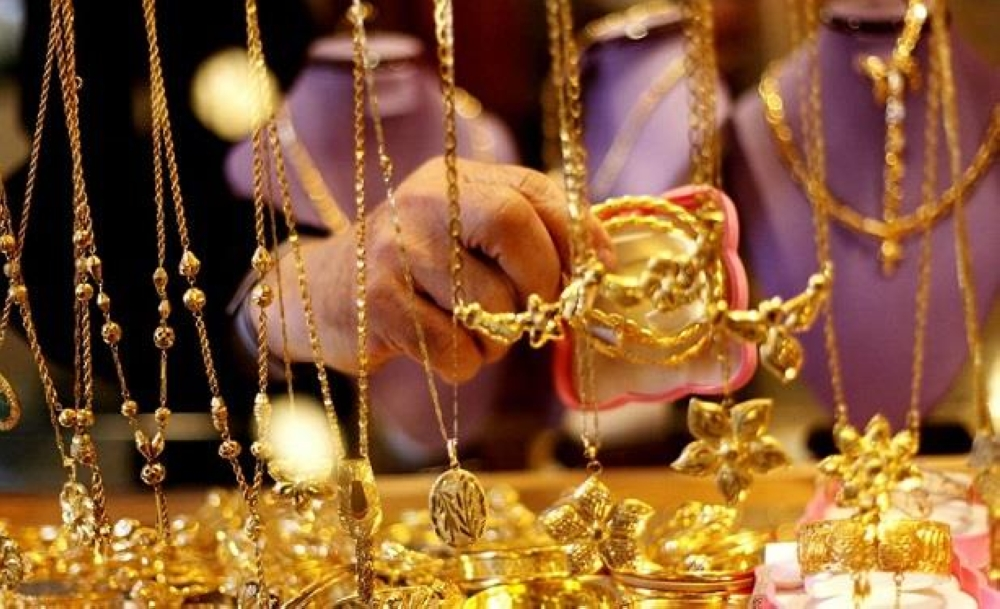
Gold prices in Egypt witnessed a notable decline at the start of trading today, continuing the downward trend that began in recent weeks. This drop comes amid relative stability in the Egyptian pound's exchange rate against the dollar following recent economic decisions, and is influenced by global movements in the price of an ounce of gold. Consumers and investors remain closely monitoring market trends, particularly the price of a gram of 21-karat gold, which is the main and most popular indicator in the Egyptian market.
Gold price list today in Egypt
The prices of different gold karats in the local markets were as follows:
- The price of a gram of 24-karat gold: The selling price recorded 7965 Egyptian pounds, and the buying price 7910 Egyptian pounds.
- The price of a gram of 22-karat gold: The selling price recorded 7300 pounds, and the buying price 7250 pounds.
- The price of a gram of 21-karat gold: The selling price recorded 6970 Egyptian pounds, and the buying price 6920 Egyptian pounds.
- The price of a gram of 18-karat gold: The selling price was recorded at 5975 Egyptian pounds, and the buying price at 5930 Egyptian pounds.
- The price of a gram of 14-karat gold: The selling price recorded 4645 Egyptian pounds, and the buying price 4615 Egyptian pounds.
- The price of a gram of 12-karat gold: The selling price was recorded at 3985 Egyptian pounds, and the buying price at 3955 Egyptian pounds.
Economic context and historical background
Historically, gold in Egypt has been more than just a commodity; it's a safe haven for value and a key hedge against currency fluctuations and inflation. During periods of economic hardship in Egypt, many citizens turned to gold to preserve their savings, leading to a significant increase in demand and record-high prices. Local gold pricing was closely tied to the parallel market exchange rate for the US dollar, creating a substantial gap between the domestic and international prices.
The importance of the event and its expected impact
The current decline in gold prices is a direct result of the economic measures taken by the Egyptian government and the Central Bank, most notably the Ras al-Hikma deal, which injected significant dollar liquidity into the economy, and the decision to float the Egyptian pound, which eliminated the parallel currency market. This stabilization of the exchange rate removed the dollar premium that was previously added to the price of gold, causing it to fall and approach global prices.
Domestically, this decline presents an opportunity for those about to get married and for consumers to purchase gold jewelry at relatively affordable prices. For investors, the relative stability has slowed speculative buying, as they await the future of prices in the medium and long term. Globally, gold prices are influenced by US inflation data and the Federal Reserve's interest rate decisions, as any change in US monetary policy directly impacts the attractiveness of the precious metal as an investment asset.