Gold prices decline amid geopolitical tensions
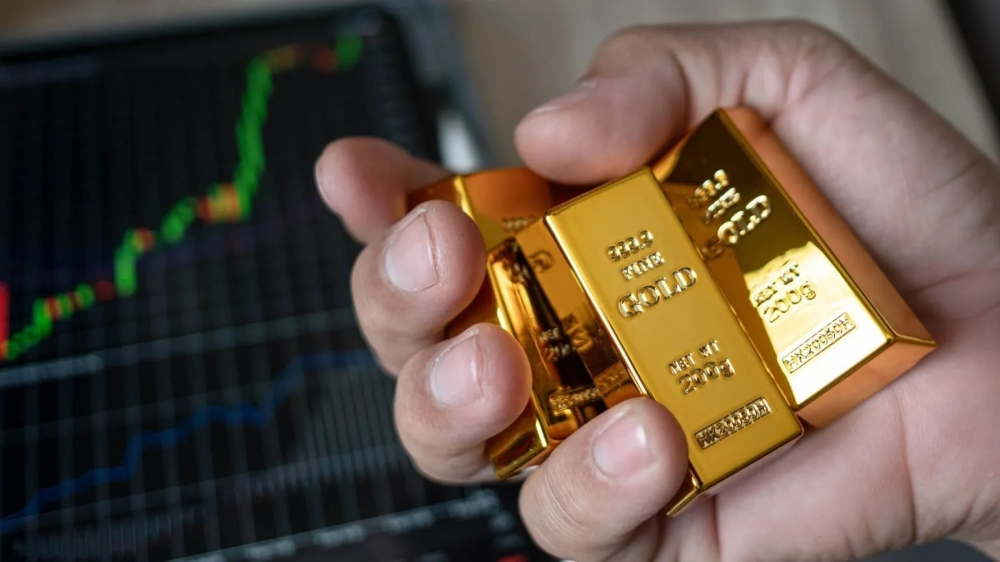
Gold prices fell sharply on Monday, breaking below the $5,000 per ounce mark, pressured by growing concerns in financial markets that rising inflation, primarily driven by ongoing tensions and conflicts in the Middle East, will force central banks to keep interest rates high for longer than anticipated. This decline reflects a cautious sentiment among investors who are reassessing their portfolios based on new economic and political data.
Historically, gold has long served as a safe haven for investors during times of geopolitical crisis and economic turmoil. In past decades, major regional conflicts have driven capital away from riskier assets and into gold as a store of value. However, the current landscape is different and more complex. The conflict in the Middle East has cast a shadow over energy prices, driving up shipping and production costs and thus fueling the global inflation that central banks have been trying to contain since the COVID-19 pandemic and subsequent supply chain disruptions.
Details of precious metals performance and dollar movement
In trading, spot gold fell 0.5% to $4,993.42 per ounce by 5:31 PM GMT, after hitting its lowest level since February 19 earlier in the session. Meanwhile, U.S. gold futures (April delivery) settled down 1.2% at $5,002.20. As for other precious metals, silver was steady at $80.52, while platinum rose 3.9% to $2,103.42 and palladium climbed 3.1% to $1,598.80.
In contrast, the US dollar retreated from its 10-month high. This decline in the greenback typically makes dollar-denominated gold less expensive and more attractive to holders of other currencies, but concerns about the future path of interest rates overshadowed this usual positive effect and prevented gold from making gains.
Inflation and the path of US interest rates
In a detailed analysis of the situation, Bob Haberkorn, senior market strategist at ROJ Futures, explained the direct relationship between energy markets and inflation, saying: “As oil prices rise, inflation automatically rises. If we see a sustained rise in inflation rates, central banks will not be as eager as they were six months ago to cut interest rates, which is a negative factor that puts pressure on gold prices.”.
Economic importance and expected impact on markets
Despite these short-term pressures, gold's strategic importance remains strong on both the regional and international stages. The anticipated impact of continued geopolitical tensions keeps major investors and central banks on edge. Haberkorn added, "But I remain very optimistic about gold, given current global events. There is still significant liquidity waiting for the right opportunity to enter this market, and I still expect the price of gold to reach $6,000 per ounce." This forecast reflects a deep-seated belief that structural crises in the global economy will drive prices higher in the long run.
On the US monetary policy front, the entire world is focused on the Federal Reserve. It is widely expected that the Fed will keep interest rates unchanged at its upcoming meeting scheduled for Tuesday and Wednesday, March 17 and 18. This anticipated decision has far-reaching implications; continued high interest rates boost government bond yields, making them a strong competitor to gold, which does not offer a fixed return, and thus affecting investment flows and the performance of emerging markets, which are highly sensitive to global borrowing costs.