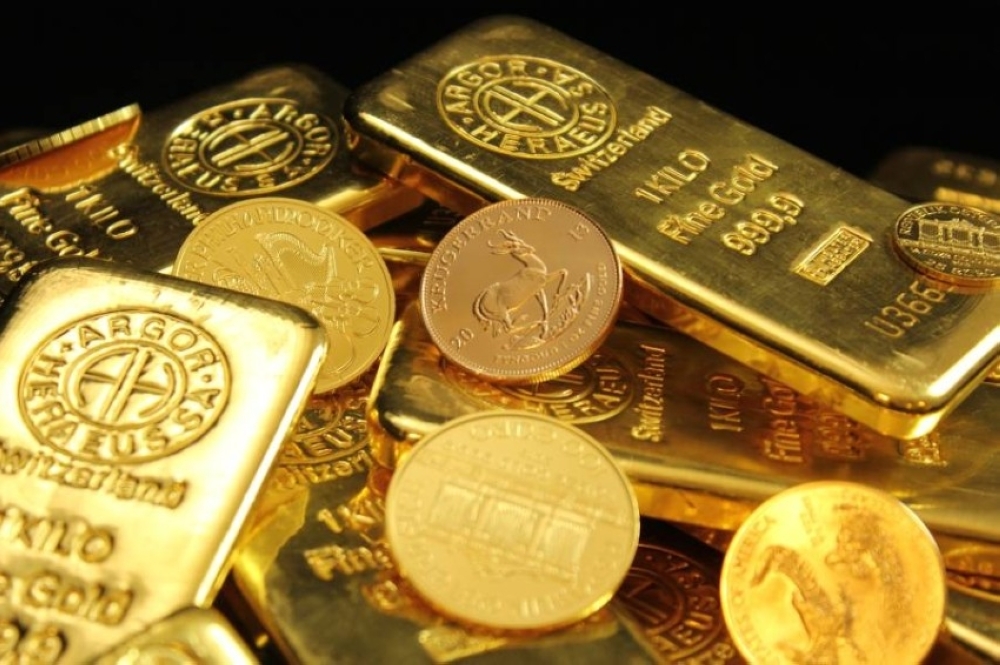
Gold prices remained relatively stable in trading today, as investors awaited the US Federal Reserve's (central bank) anticipated interest rate decision. This anticipation comes amid a climate of uncertainty in global markets, fueled by a mix of mixed economic data and ongoing geopolitical tensions, further bolstering gold's status as a traditional safe haven.
Historical context: The relationship between gold and interest rates
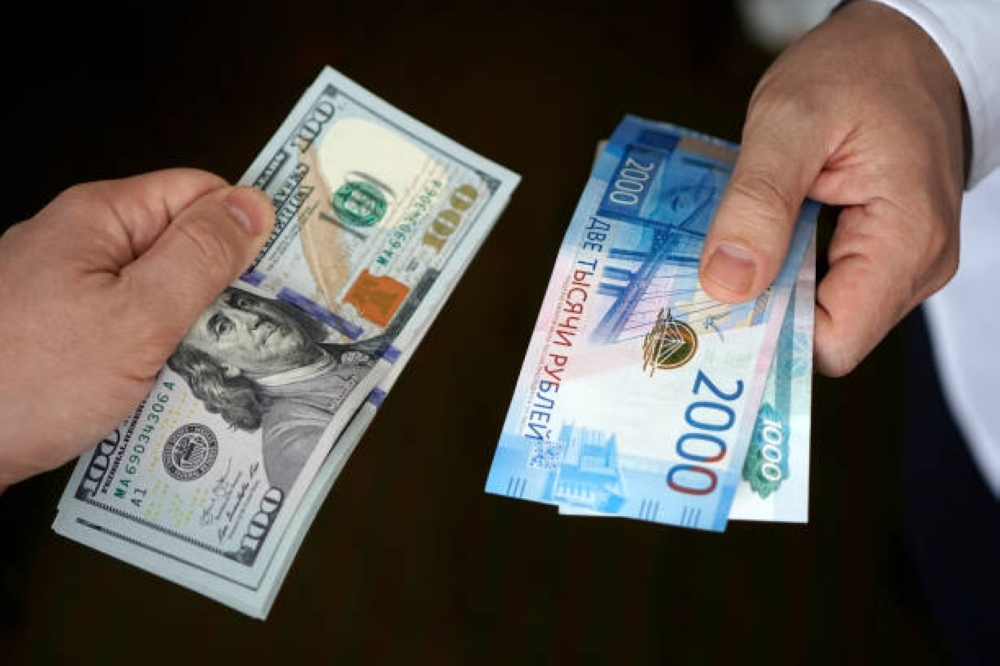
Historically, gold prices have had an inverse relationship with US interest rates. When the Federal Reserve raises interest rates, the yield on interest-bearing assets like government bonds increases, raising the "opportunity cost" of holding gold, which does not generate interest. This typically prompts investors to sell gold and buy bonds, putting downward pressure on the price of the precious metal. Conversely, when interest rates are lowered or even hinted at, gold becomes more attractive as an investment asset, particularly as it is considered an effective hedge against inflation and the erosion of the purchasing power of paper currencies.
The importance of the decision and its expected impact
Market attention is currently focused not only on the interest rate decision itself, which most analysts expect to remain unchanged at the current meeting, but also on the accompanying statement and the press conference with Federal Reserve Chair Jerome Powell. Investors will be looking to the tone of the statement for any clues about the future path of monetary policy, specifically when the long-awaited rate cut cycle might begin. Any hint of a delay in the rate cut could strengthen the US dollar and put pressure on gold, while any indication of an imminent cut could trigger a new rally in the precious metal.
Local, regional and international impacts
Internationally, the Federal Reserve's decision impacts all financial markets, as the dollar is the world's reserve currency. A continued strong dollar could negatively affect the economies of emerging markets burdened with dollar-denominated debt. Regionally, in the Middle East, gold is a key component of individuals' savings and investments, and local gold markets are directly affected by global prices. Locally, fluctuations in gold prices impact the jewelry market and consumer costs, as well as influencing the decisions of individual investors and investment funds. Amidst geopolitical tensions in the region, demand for gold as a means of preserving wealth during times of instability is increasing.
As for other precious metals, silver is also affected by interest rate policies, but it is more closely tied to industrial demand, making it more volatile. Platinum and palladium are heavily dependent on demand from the automotive industry, but they are also influenced by overall market sentiment, which is shaped by the Federal Reserve's decisions.