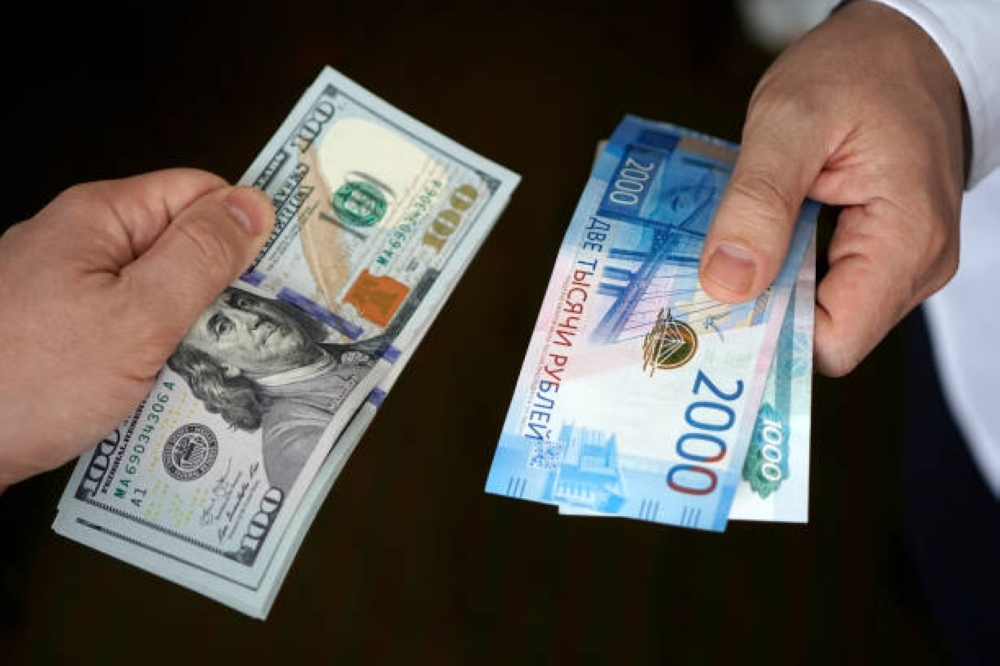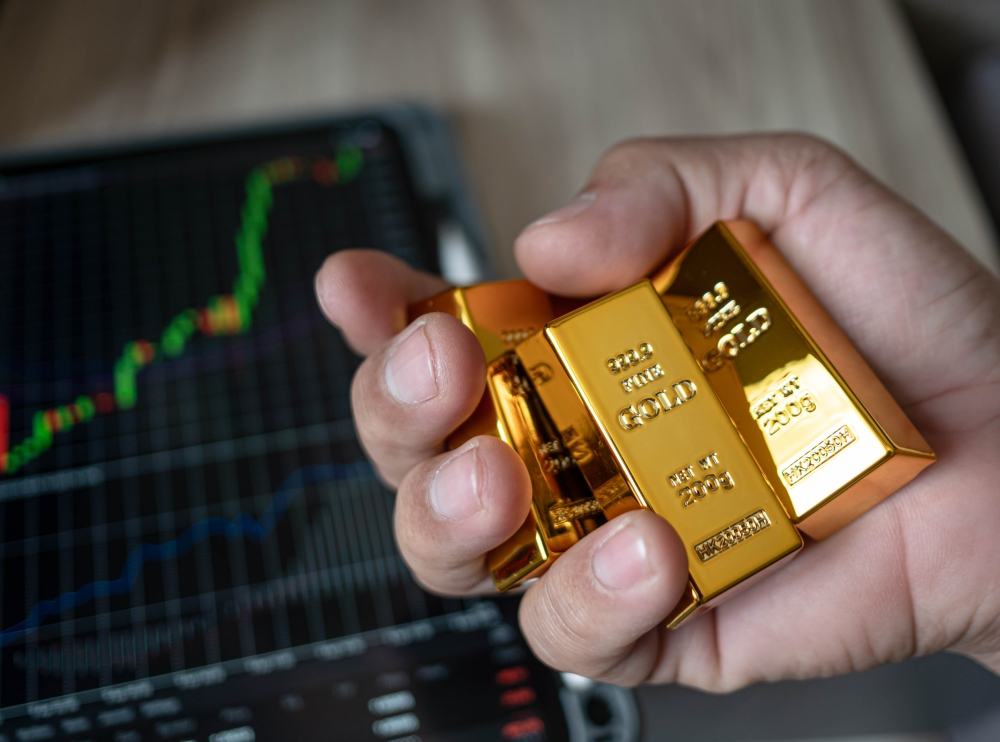
In a world teetering between geopolitical crises and financial volatility, gold has returned to the forefront of the economic landscape, asserting itself as the last "language of confidence" and a safe haven amidst a turbulent global economy. The year 2025 was not merely a passing phase in the history of the precious metal's trading; it marked an exceptional chapter that reshaped the relationship between investors and individuals with this venerable financial asset.
Gold throughout history: A safe haven in times of uncertainty
Historically, gold has played a pivotal role in the global financial system. From the era of gold coins to the gold standard and into the modern age, the precious metal has retained its intrinsic value, unlike paper currencies which are eroded by inflation. Established economic facts indicate that gold typically thrives in environments characterized by a weak dollar, high inflation, or international political tensions, which explains its widespread appeal during critical periods as a hedge and a means of preserving wealth.
2025: A year of historic gains and changing investor behavior
The year 2025 witnessed unprecedented price surges that disrupted traditional market calculations and spurred a saving appetite among both individuals and institutions. This rise wasn't merely a matter of numbers on trading screens; it directly impacted consumer behavior, shifting the focus from acquiring gold solely for adornment to hoarding it as a necessary investment asset. Amidst the allure of record-breaking figures and analysts' fears of a "price bubble," gold proved its resilience, bolstered by strong demand from global central banks seeking to diversify their reserves away from traditional currencies.
Economic impact: From global markets to local jewelers
The impact of rising gold prices is not limited to global stock exchanges; it extends directly to local economies. While higher gold prices typically increase the value of national reserves, they can also lead to a decline in sales of consumer gold jewelry due to increased costs for the end consumer. This, in turn, pushes local markets towards recycling scrap gold or shifting towards buying pure gold bars and coins.
Teamwork and monitoring of transformations
In this context, the Al-Youm team opened a comprehensive analytical window into the story of gold in the year of "historic gains." This field and analytical report was prepared by a select group of editors: Raed Al-Suwailem, Huthaifa Al-Qurashi, Mohammed Al-Owais, Mohammed Al-Sulaiman, and Ahmed Al-Masri. Photographer Murtada Boukhamsin documented the market activity from global exchanges to local gold shops, capturing the pulse of the market and the reactions of traders.