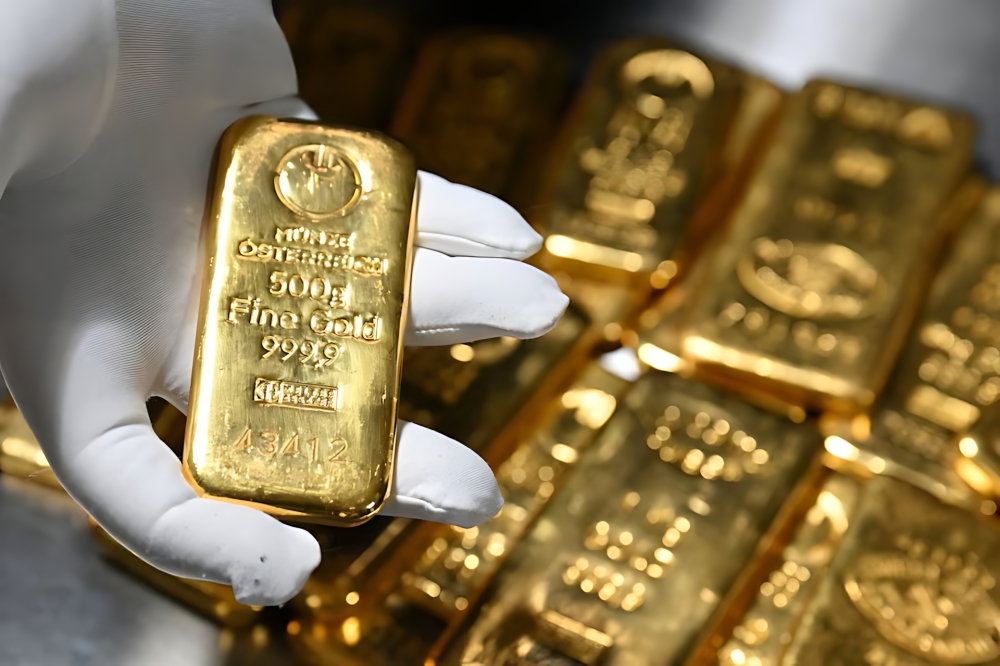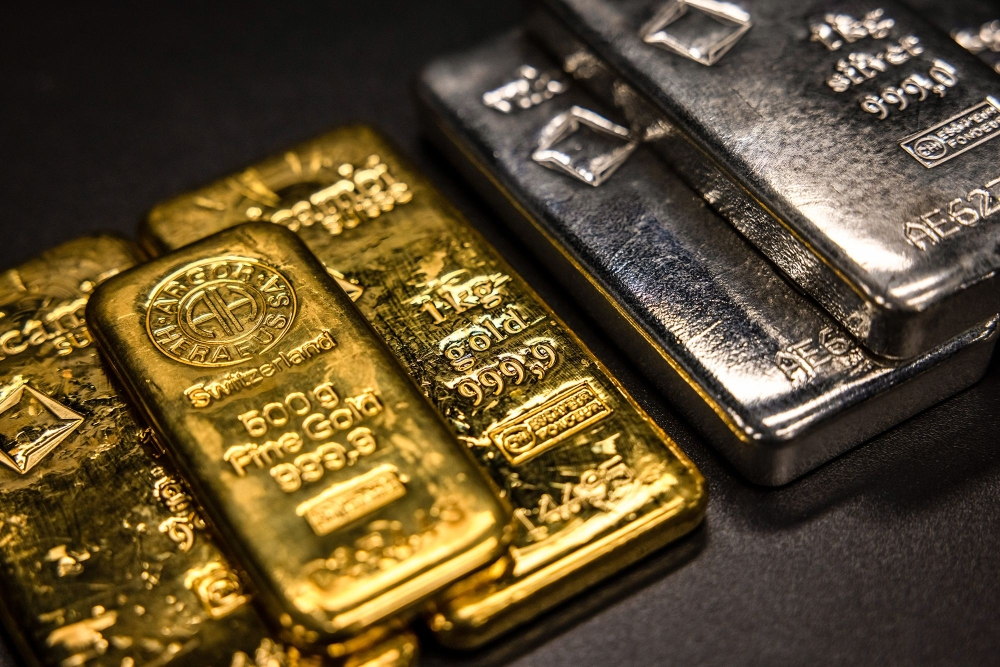
شهدت أسواق المعادن الثمينة تقلبات حادة في الآونة الأخيرة، حيث تعرض سعر الذهب لهزة قوية أدت إلى تراجعه بشكل ملحوظ بعد فترة من المكاسب القياسية. هذا الانخفاض أثار تساؤلات عديدة في أوساط المستثمرين حول مستقبل المعدن الأصفر، الذي يُعتبر الملاذ الآمن التقليدي في أوقات الأزمات الاقتصادية والجيوسياسية. لفهم أبعاد هذا التراجع، لا بد من النظر إلى العوامل المحركة للسوق، وعلى رأسها السياسة النقدية الأمريكية وقوة الدولار.
ما الذي أدى إلى تراجع أسعار الذهب؟
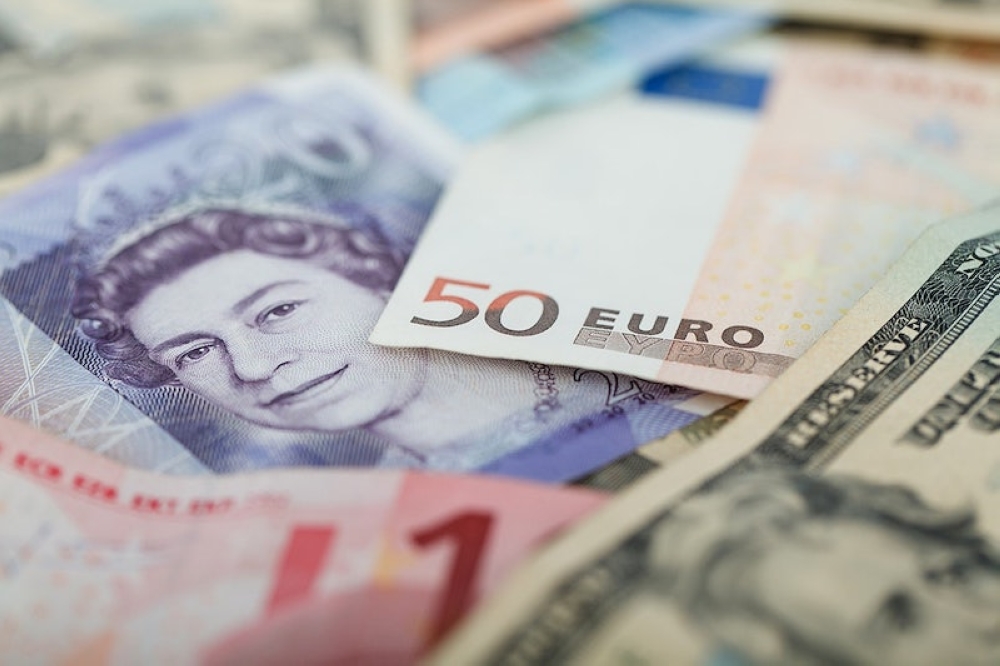
يعود السبب الرئيسي وراء الانخفاض الأخير إلى التطورات المتعلقة بالسياسة النقدية لمجلس الاحتياطي الفيدرالي الأمريكي. حيث أدت الأنباء حول احتمالية تعيين شخصية ذات توجهات متشددة (تفضل رفع أسعار الفائدة) في منصب رئيس البنك المركزي إلى تبديد المخاوف بشأن استقلالية البنك، مما أعطى دفعة قوية للدولار الأمريكي في الأسواق العالمية.
هذا الارتفاع المفاجئ في قيمة الدولار أطلق شرارة عمليات بيع واسعة في سوق الذهب. فالعلاقة بين الدولار والذهب هي علاقة عكسية تاريخيًا؛ فعندما يرتفع الدولار، تزيد تكلفة شراء الذهب على حاملي العملات الأخرى، مما يقلل من جاذبيته الاستثمارية ويؤدي إلى انخفاض الطلب عليه. وقد استغل المستثمرون الذين حققوا مكاسب كبيرة خلال الأسابيع السابقة هذه الفرصة لجني الأرباح، مما زاد من حدة التراجعات.
السياق العام: الذهب كمؤشر اقتصادي عالمي
لطالما كان الذهب أداة استثمارية استراتيجية ومخزنًا للقيمة على مر العصور. يلجأ إليه المستثمرون والبنوك المركزية كغطاء ضد التضخم وتقلبات العملات والأزمات المالية. تتأثر أسعاره بشكل مباشر بقرارات أسعار الفائدة التي يتخذها مجلس الاحتياطي الفيدرالي. فعندما تكون أسعار الفائدة منخفضة، يصبح الاحتفاظ بالذهب، الذي لا يدر عائدًا، أكثر جاذبية مقارنة بالسندات أو الودائع البنكية. والعكس صحيح، حيث يؤدي رفع الفائدة إلى زيادة تكلفة الفرصة البديلة للاستثمار في الذهب.
التأثير المتوقع على الأسواق المحلية والعالمية
لا يقتصر تأثير تقلبات أسعار الذهب على المستثمرين الدوليين فقط، بل يمتد ليشمل الاقتصادات المحلية. في المنطقة العربية، يُعد الذهب جزءًا لا يتجزأ من الثقافة والمجتمع، سواء كمجوهرات أو كأداة ادخار. يؤثر انخفاض الأسعار إيجابًا على المستهلكين الراغبين في الشراء، ولكنه يضغط على تجار التجزئة والمستثمرين المحليين. أما على الصعيد العالمي، فإن استمرار قوة الدولار قد يضع ضغوطًا إضافية ليس فقط على الذهب، بل على أسعار جميع السلع المقومة بالدولار، مما يؤثر على الاقتصادات الناشئة التي تعتمد على استيراد هذه السلع.
هل انتهت موجة الصعود؟ وما هي التوقعات المستقبلية؟
يرى محللون فنيون أن الزخم الصعودي للذهب قد بدأ يفقد قوته على المدى القصير، لكن الاتجاه العام على المدى الطويل لا يزال مرهونًا بالعديد من العوامل. تشير سوكي كوبر، رئيسة أبحاث السلع في بنك “ستاندرد تشارترد”، إلى أن السوق كان مهيئًا لعملية تصحيح سعري بعد الارتفاعات المتتالية. وتضيف أن ما حدث هو مزيج من العوامل، بدءًا من التكهنات حول سياسات الفيدرالي الأمريكي وصولًا إلى البيانات الاقتصادية الكلية.
وتشير التوقعات إلى أن الأسعار قد تحتاج إلى إعادة ضبط نفسها عند مستويات أقل قبل أن تستأنف مسارًا صعوديًا أكثر استدامة. يبقى مستقبل الذهب مرتبطًا بشكل وثيق بمسار التضخم العالمي، والتوترات الجيوسياسية، والخطوات التي سيتخذها البنك الفيدرالي في اجتماعاته المقبلة، مما يجعل مراقبة هذه العوامل أمرًا حاسمًا للمستثمرين.