Precious metals markets witnessed an unprecedented historical shift on Monday, with gold prices surpassing $4,600 an ounce for the first time in trading history, fueled by a wave of panic buying for safe-haven assets. This meteoric rise coincided with silver reaching new record highs, amid escalating geopolitical tensions and intensifying institutional clashes in the United States.
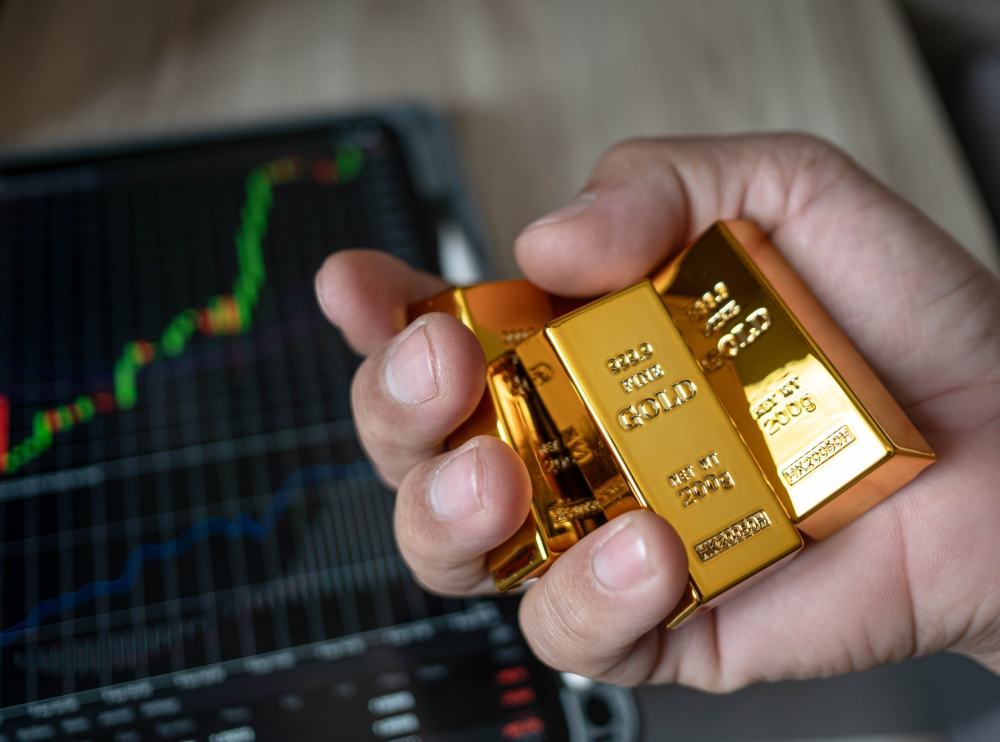
In detail, the price of gold jumped 1.3% in spot trading to $4,566.80 per ounce by 4:10 GMT, after hitting a record high of $4,600.33 earlier in the session. The gains weren't limited to the yellow metal; they extended to the basket of precious metals as well. Silver soared 4.1% to $83.20 per ounce, platinum rose 3.4% to $2,349.59, and palladium climbed by the same percentage to $1,877.96.
Crisis of confidence in the independence of the Federal Reserve
The primary driver of this price explosion was not purely economic, but decidedly political. Federal Reserve Chairman Jerome Powell dropped a bombshell on Sunday, revealing that he had been threatened with criminal charges by the Trump administration over his testimony before Congress. Powell described these moves as a transparent "pretext" aimed at undermining the central bank's independence and forcing it to lower interest rates to serve political objectives, immediately triggering a sharp decline in the value of the dollar and US stock futures.
Why gold now? (Economic context)
Historically, gold has been considered the primary safe haven during crises of confidence in paper currencies and sovereign institutions. When investors perceive the independence of the central bank—the guarantor of currency value—as threatened, they immediately turn to tangible assets that do not carry counterparty risk. Current events are reminiscent of historical periods of inflation when central banks lost control of monetary policy to political decisions, which explains the flight of capital from the dollar to gold.
Expected repercussions
Analysts believe that continued political pressure on the Federal Reserve could lead to a radical shift in monetary policy. Current expectations point to at least two interest rate cuts this year, not based on economic data, but rather in response to pressure. If this scenario materializes, it could pave the way for further weakness in the US dollar and further gains for precious metals, with gold becoming the true benchmark of value amid the uncertainty surrounding the financial landscape in Washington.