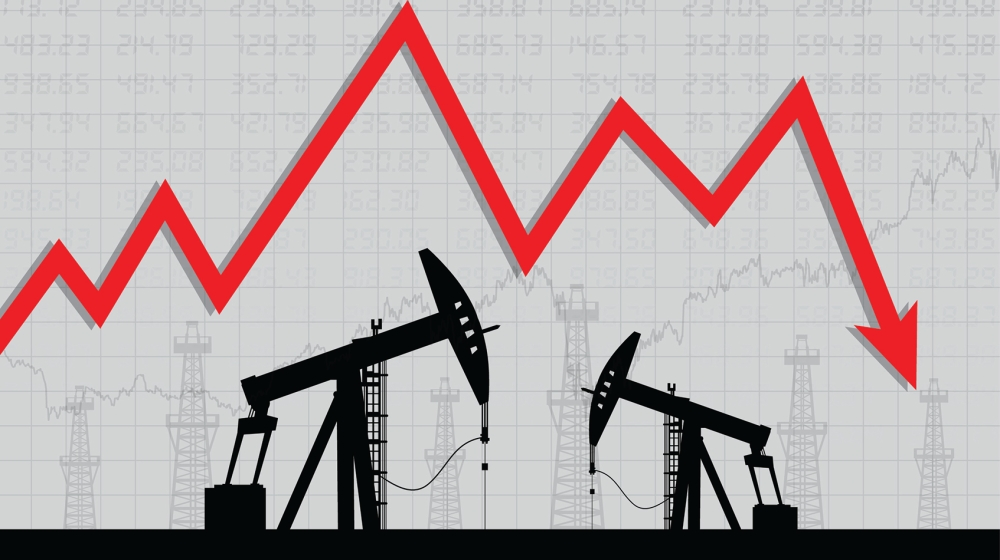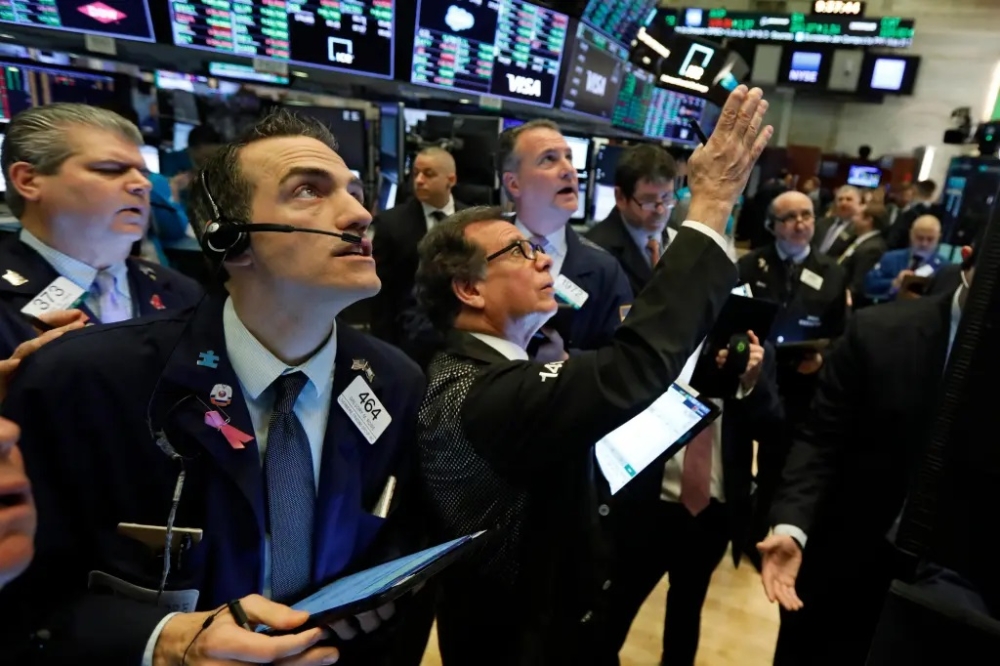
Financial markets witnessed notable positive shifts on Wednesday, with global stocks and oil prices falling significantly, following political and economic reports indicating that the United States is striving to reach a month-long ceasefire agreement in its trade war with Iran. Sources indicated that Washington has sent a detailed 15-point plan to Tehran for discussion. This diplomatic development has revived hopes for a breakthrough that could greatly contribute to restoring the flow of oil from the Arabian Gulf region, thus positively impacting the stability of the global economy.
The historical roots of tensions and their impact on global stocks
To understand the dimensions of this development, it is necessary to consider the broader context and historical background of the event. US-Iranian relations have been complex and fraught with tension for decades, punctuated by periods of diplomatic escalation and crippling economic sanctions targeting vital sectors, most notably the energy sector. These geopolitical tensions in the Middle East have always been a major driver of market volatility, with global stocks reacting strongly to every statement or military action. The prospect of a peace plan or a temporary truce represents a strategic shift that could end an era of uncertainty, giving investors renewed confidence in the stability of global supply chains.
Details of financial market performance and the decline in oil prices
This positive news was immediately reflected on trading screens, with S&P 500 futures rising 0.7% in Asian trading. In Europe, European 1.2%, and FTSE 100 futures gained 0.7%. While these moves are relatively modest, they reflect a cautious optimism among investors. Meanwhile, energy markets reacted strongly, with Brent crude futures falling 5% to settle at $99 a barrel. In Asia, Japanese stocks jumped 3%, while markets in Australia and South Korea rose 2%, recovering from losses incurred in recent sessions.
The strategic importance of the event and its regional and international repercussions
The significance of this event and its anticipated impact are evident on several levels. Locally and regionally, the ceasefire contributes to easing security concerns in the Arabian Gulf region, a vital artery for global energy flows, particularly through the strategic Strait of Hormuz. Internationally, the stabilization of oil prices and their decline below the $100 mark alleviates inflationary pressures weighing on central banks and major economies. This decrease in energy costs boosts the profit margins of major companies and supports consumer purchasing power, which explains the swift and positive response in market indicators.
Expert statements and the American position
Commenting on these developments, Kerry Craig, global markets strategist at JPMorgan Asset Management in Melbourne, explained that the market is currently reacting to headlines . She added, “There’s a clear positive tone in the trading floors, but the challenge now lies in the uncertainty surrounding the way things go from here, and whether there’s anything concrete and actionable regarding a ceasefire.” These analyses coincide with US President Donald Trump’s announcement on Tuesday that the United States is making significant progress in negotiations to end the war, indicating that this progress included securing a major concession from Tehran, paving the way for a new phase of de-escalation.