Oil prices stabilized today in global markets after a sharp volatility that saw them surge by 10% yesterday. Brent crude settled around $100 a barrel, reflecting a cautious outlook among investors. This stability coincided with a notable decline in Asian stock markets, influenced by heightened tensions in the global economic and political landscape.
In trading details, by 6:30 AM GMT, the price of West Texas Intermediate (WTI) crude, the US benchmark for oil pricing, had fallen slightly to $95.65 per barrel, a decrease of 0.09%. This decline followed a 1.6% increase in early Asian trading. Meanwhile, Brent crude, the primary global benchmark, rose to $100.77 per barrel, an increase of 0.31%, after closing above the $100 mark for the first time since August 2022 on Thursday.
The historical context of oil price fluctuations and the impact of geopolitical crises
Historically, oil prices highly sensitive to geopolitical crises and international conflicts. From the energy crises of the 1970s to the more recent tensions in the Middle East and Eastern Europe, energy markets have demonstrated that any threat to supply chains is immediately reflected in prices. More recently, several factors have combined to create this complex landscape, from the repercussions of the COVID-19 pandemic, which disrupted supply chains, to the economic sanctions imposed on some major producing countries. This historical background explains the persistent anxiety among investors, who understand that the stability of energy markets is not merely an economic issue, but a direct reflection of the state of international peace and security.
The repercussions of the supply crisis and its impact on the global and local economy
This event is of paramount importance and has far-reaching implications that extend beyond financial markets to encompass local, regional, and international economies. Internationally, rising energy costs are driving up inflation, pressuring central banks to raise interest rates, which could potentially slow global economic growth. Regionally and locally, energy-importing countries are facing severe financial challenges due to increased production and transportation costs, negatively impacting citizens' purchasing power. While exporting countries may benefit from increased revenues in the short term, continued market volatility remains a concern that threatens budget stability and sustainable development plans.
Intensive international efforts to calm market turmoil
In a further attempt to calm the supply disruption, the United States announced on Thursday that it would temporarily allow the sale of Russian oil stranded at sea, a move aimed at easing pressure on markets. Despite these efforts, however, member countries of the International Energy Agency (IEA) have not been able to fully contain the supply disruption, even after taking the extraordinary step of releasing record amounts of oil from their strategic reserves. This release amounted to approximately 400 million barrels from the stockpiles of 32 countries, reflecting the scale of the crisis and the extent of international concern about the supply shortage.
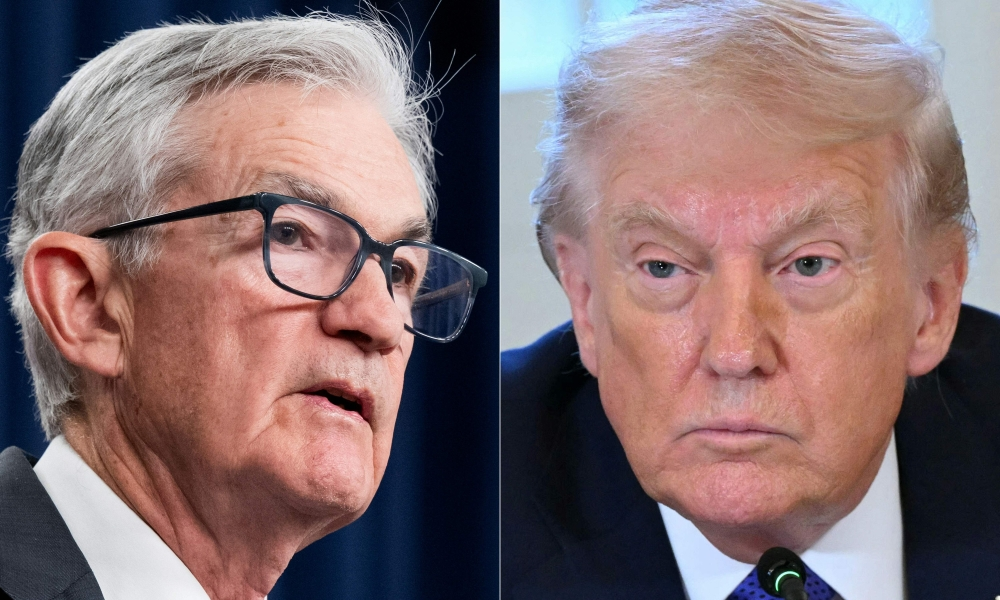
In a related context, and concerning the geopolitical tensions affecting energy markets, political stances emerge as a crucial factor. Former US President Donald Trump previously emphasized that security and political considerations were more important to him than simply controlling these prices, stressing the need to prevent Iran, which he described as an “evil empire,” from acquiring nuclear weapons, warning that this could lead to the destruction of the Middle East and even the entire world. These statements highlight the profound interrelationship between international politics and global energy security.