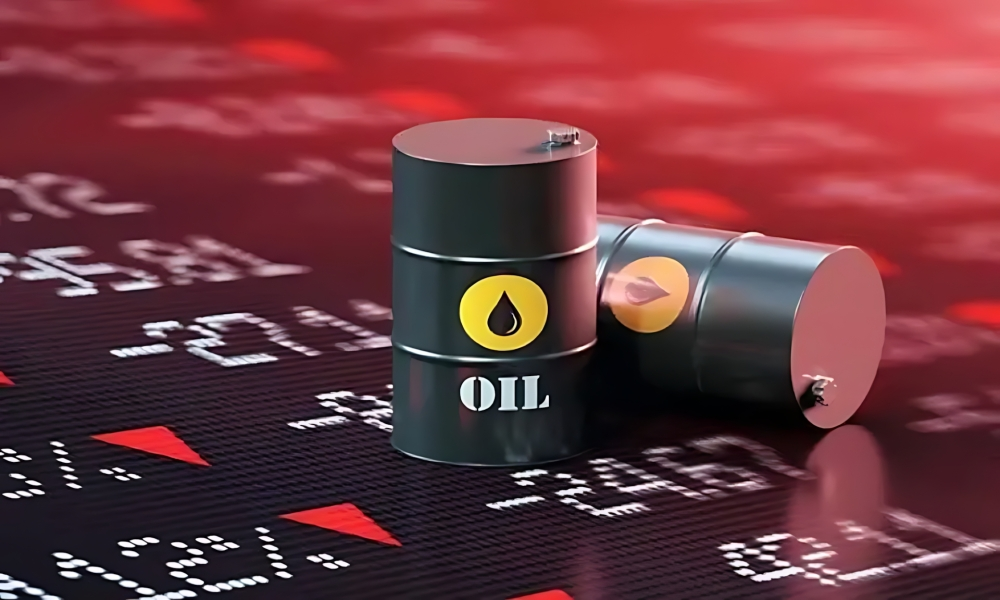
Oil prices rose sharply in early trading on Tuesday, buoyed by growing investor concerns about global supply security. Brent crude climbed to nearly $101 a barrel, while US West Texas Intermediate crude rose to around $89.70 a barrel. This price recovery follows recent market volatility and reflects the cautious anticipation among traders amid ongoing geopolitical tensions.
Geopolitical tensions and their direct impact on oil prices
Oil prices had suffered sharp losses of more than 10% in the previous day's trading, following Washington's announcement of a postponement of potential attacks targeting Iranian facilities. This announcement temporarily eased the so-called "geopolitical risk premium," the price increase added by the market in anticipation of any sudden supply disruptions. Despite this temporary relief, markets remain highly volatile, as investors are aware that conflicts in the Middle East often hold surprises that can disrupt supply chains at any moment.
The historical context of energy crises and the importance of the Strait of Hormuz
Historically, energy market volatility has been closely linked to security stability in the Middle East. Since the oil crisis of the 1970s, the world has recognized the global economy's vulnerability to any disruption in crude oil flows from this vital region. The strategic Strait of Hormuz, the most important artery for global energy trade, plays a crucial role here. Approximately 20% of the world's total oil trade passes through this narrow waterway daily, making it a critical chokepoint. Any threat to close the strait or disrupt navigation through it, whether due to political statements or military actions, immediately triggers market volatility and price spikes, as there are no readily available alternatives to compensate for the enormous volumes that transit it.
Expected economic repercussions at the regional and international levels
The continued volatility of energy markets has far-reaching implications that extend beyond the figures on trading screens. Regionally, oil-producing and exporting countries benefit from higher prices through increased revenues, which bolster their government budgets and provide them with greater capacity to finance development and infrastructure projects. However, stability is fundamental to ensuring sustainable economic growth and resilience against shocks.
Internationally, major consuming nations, particularly in Europe and Asia, are viewing these price hikes with grave concern. Increased energy costs translate directly into higher production and transportation costs, fueling global inflation, which central banks are striving to control. Furthermore, persistent supply risks are pushing major countries to accelerate their transition to renewable energy sources and seek alternative suppliers to ensure their national energy security, potentially reshaping the global economic landscape in the near future.