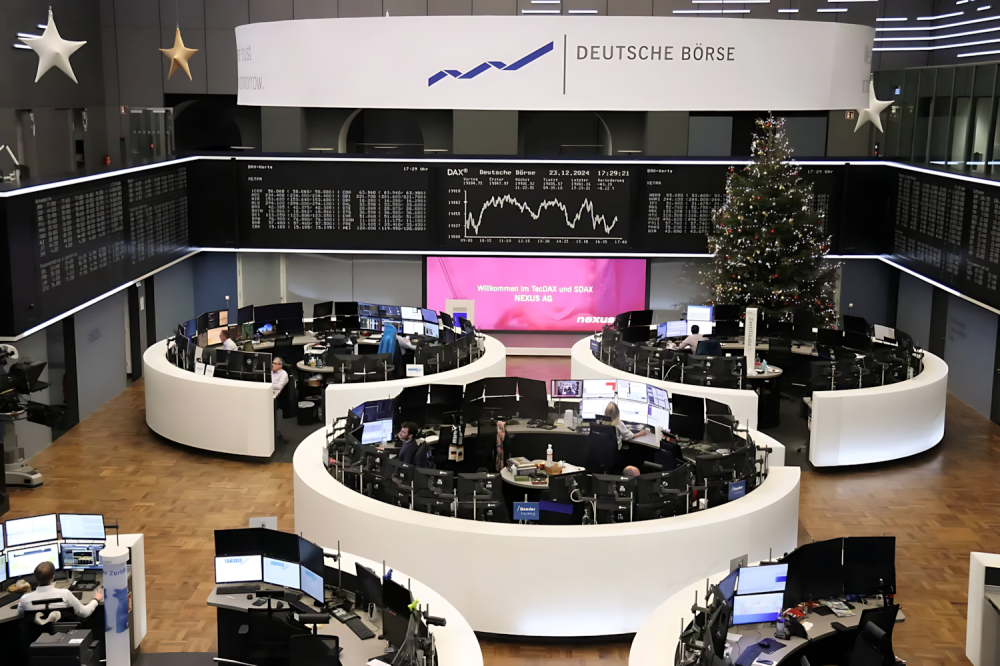
Oil prices surged on Thursday amid renewed concerns about potential energy supply disruptions from the Middle East. Markets saw significant gains, with Brent crude, the North Sea benchmark, climbing more than 10% to a record high of $119.13 a barrel. Meanwhile, West Texas Intermediate (WTI), the US benchmark, rose 2.6% to settle at $98.81 a barrel, reflecting the prevailing anxiety among global investors.
The historical context of oil price fluctuations and geopolitical crises
To understand the reasons for this sudden surge, one must consider the historical context that has long linked geopolitical tensions to the movement of global markets. Historically, the Middle East has been a major artery for global energy flows, and any security or political threat in this region is immediately reflected in oil prices . The world has witnessed similar crises in past decades, such as the oil crisis of the 1970s and the Gulf War, where fears of supply disruptions through strategic waterways, such as the Strait of Hormuz, led to severe price shocks that impacted the entire global economy.
Financial markets react very sensitively to any statements or events that could disrupt supply chains. These current price surges are an extension of a series of tensions that have prompted investors to rush to buy oil futures as a hedge against potential risks, increasing buying pressure and pushing prices to new highs not seen in recent times.
Expected effects of rising energy prices locally and internationally
This continued rise in energy costs has far-reaching economic repercussions at the local, regional, and international levels. Internationally, the increased cost of a barrel of oil is a major driver of global inflation. Higher energy costs directly impact the transportation, shipping, and industrial sectors, ultimately leading to higher consumer prices and placing ongoing pressure on central banks worldwide to revise their monetary policies and interest rates.
At the regional and local levels, the impact varies considerably between energy-exporting and energy-importing countries. For oil-exporting countries in the Middle East, this increase could represent an opportunity to boost government revenues, bolstering public budgets and allowing for greater funding of development projects and infrastructure. Conversely, importing countries face severe economic challenges due to rising import bills, which strain their foreign exchange reserves and increase the financial burden on their citizens.
A future outlook on the stability of global energy markets
Given these circumstances, analysts and economic experts are cautiously awaiting developments in the political and security landscape. Attention remains focused on the decisions of the Organization of the Petroleum Exporting Countries (OPEC) and its allies (OPEC+), and their ability to intervene to regulate the market and ensure stable supplies. While the strategic reserves of major oil-producing nations play a crucial role in mitigating these price shocks, a fundamental solution for market stability ultimately hinges on calming the geopolitical situation and securing international shipping lanes to guarantee the smooth flow of energy to all parts of the world.