The Global Council for Tolerance and Peace condemned the statements made by the US Ambassador to Israel, in which he referred to what he called “Israel’s right to expand.” The Council considered these statements a clear violation of the established principles of international law and the UN Charter, and a dangerous justification for policies that impose a fait accompli at the expense of the legitimate rights of the Palestinian people.
Background of the conflict and legal status
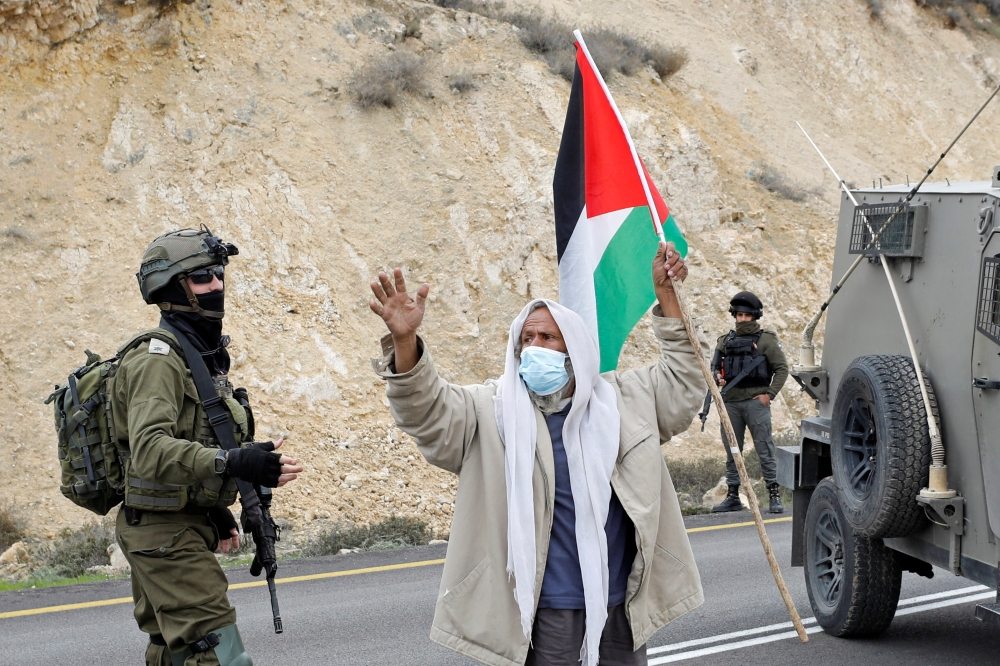
This condemnation comes within a complex historical context, as the international community, through its various bodies and resolutions, considers Israeli settlements established on Palestinian territory occupied since 1967, including East Jerusalem, illegal. UN Security Council resolutions, most notably Resolution 2334, affirm that the establishment of settlements constitutes a “flagrant violation” of international law and a major obstacle to achieving a two-state solution and a just, lasting, and comprehensive peace. The international position, including previous US positions, has consistently viewed settlement activity as an impediment to peace, making any statements supporting expansion a departure from this consensus.
The impact of the statements on peace efforts
In his statement, Al-Jarwan affirmed that such positions provide political cover for expansionist and settlement practices, threatening security and stability at both the regional and international levels. He explained that these statements directly undermine the chances of achieving a just and comprehensive peace based on respect for the sovereignty of states and the right of peoples to self-determination. The Council called on the international community to assume its responsibilities and take clear and firm stances against any policies or statements that encourage expansion or violate the international legal order, reiterating that rejecting policies of imposing a fait accompli and protecting the rights of peoples are the essential foundation for any sustainable peace based on justice and coexistence.
Widespread regional and international condemnations
The condemnation was not limited to the Global Council for Tolerance and Peace, but came as part of a broad wave of Arab and Islamic rejection. In this context, the Saudi Arabian Ministry of Foreign Affairs expressed its strong condemnation and denunciation of these statements, describing them as “irresponsible” and a violation of diplomatic norms. The Kingdom affirmed its categorical rejection of these positions, which constitute a dangerous precedent and a disregard for the strategic relations that bind the countries of the region to the United States. It stressed that the only way to achieve the desired peace is to end the occupation and establish an independent Palestinian state within the 1967 borders, with East Jerusalem as its capital, in accordance with the Arab Peace Initiative and resolutions of international legitimacy.
The repercussions of these statements extend beyond diplomatic circles, as there are fears that they will increase tensions in the region and encourage extremist parties, thus complicating efforts to resume serious negotiations leading to a final and just solution to the Palestinian issue.