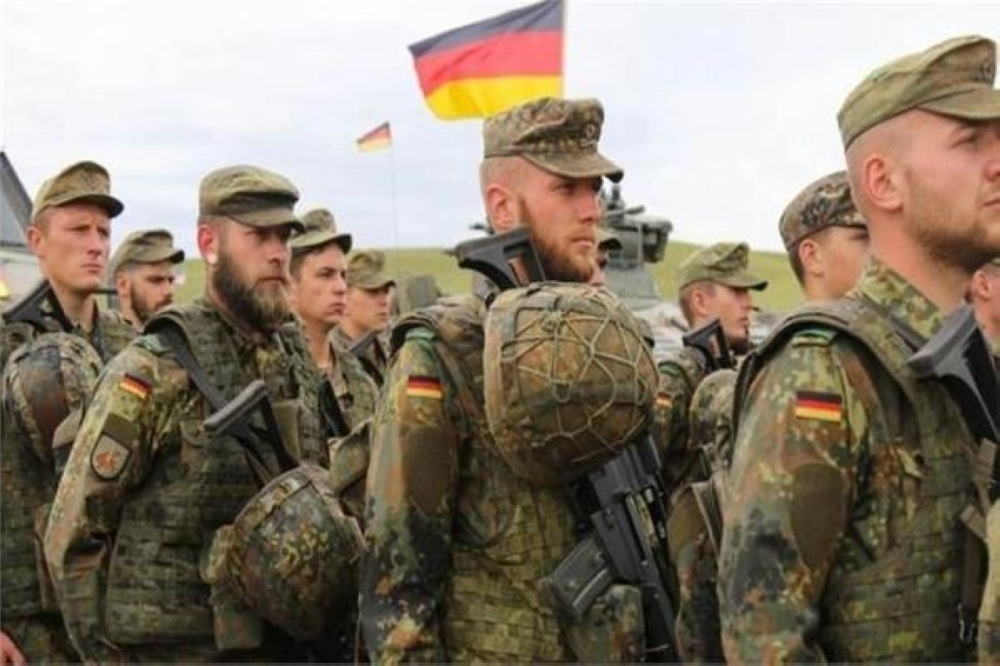
In a significant development reflecting the profound geopolitical shifts in Europe and escalating tensions with Moscow, Germany has officially announced its intention to deploy troops to Poland. This strategic move aims to provide field and engineering support for a major project to fortify the eastern borders of the European Union and NATO, amid growing security concerns stemming from ongoing Russian threats and the repercussions of the war in Ukraine.
Nature of the German mission: defensive engineering
A spokesperson for the German Ministry of Defense clarified the details of this military mission on Friday evening, indicating that the primary role of German soldiers would not be combat in the traditional sense, but would focus mainly on "engineering activities." The spokesperson confirmed that these vital tasks would include constructing advanced field fortifications, digging strategic trenches, laying extensive barbed wire fences, and erecting concrete and metal barriers designed to repel tanks and heavy vehicles, reflecting preparations for conventional military scenarios.
Strategic context: The “Eastern Shield” project
This German move comes in response to plans announced by Warsaw last May, aimed at reinforcing and securing a long and sensitive section of its border with both Belarus (a close ally of Moscow) and the heavily armed Russian exclave of Kaliningrad. Poland, one of Ukraine's strongest political and military supporters, considers securing this border a top priority for both Polish and European national security, especially given Belarus's use of the migrant issue as leverage and the direct military threats from Russia.
Historical and political dimensions of the event
The deployment of German troops to Poland carries profound historical and political significance, extending far beyond mere military-technical cooperation. Given the history of World War II, the presence of German forces in Poland has been a highly sensitive issue for decades. However, the current security realities imposed by the Russian-Ukrainian conflict have compelled the two NATO and EU member states to transcend past grievances and join forces to confront a shared existential threat. This cooperation serves as tangible proof of Germany's commitment to its defense responsibilities within NATO and an implementation of the "turning point" (Zeitenwende) policy announced by the German Chancellor to bolster defense capabilities.
Strengthening NATO's eastern flank
Regionally and internationally, this move sends a clear message to the Kremlin about the cohesion of the Western front. Fortifying the Polish border not only protects Warsaw but also forms the first line of defense for the Baltic states and the heart of Europe. These fortifications are part of NATO's deterrence strategy to prevent any Russian consideration of testing Article 5 of the Alliance's treaty, which stipulates collective defense.
Timetable and troop size
Regarding logistical details, the German Defense Ministry spokesperson did not specify the exact number of troops involved, stating only that it would be a “mid-double-digit number” (i.e., in the tens), indicating the specialized nature of the mission rather than a large-scale combat operation. The deployment of these troops and their active participation in the engineering project are scheduled to begin in the second quarter of 2026 and continue until the end of 2027, reflecting a long-term commitment to securing Europe’s eastern flank.