A firm German stance: No to boycotting major sporting events
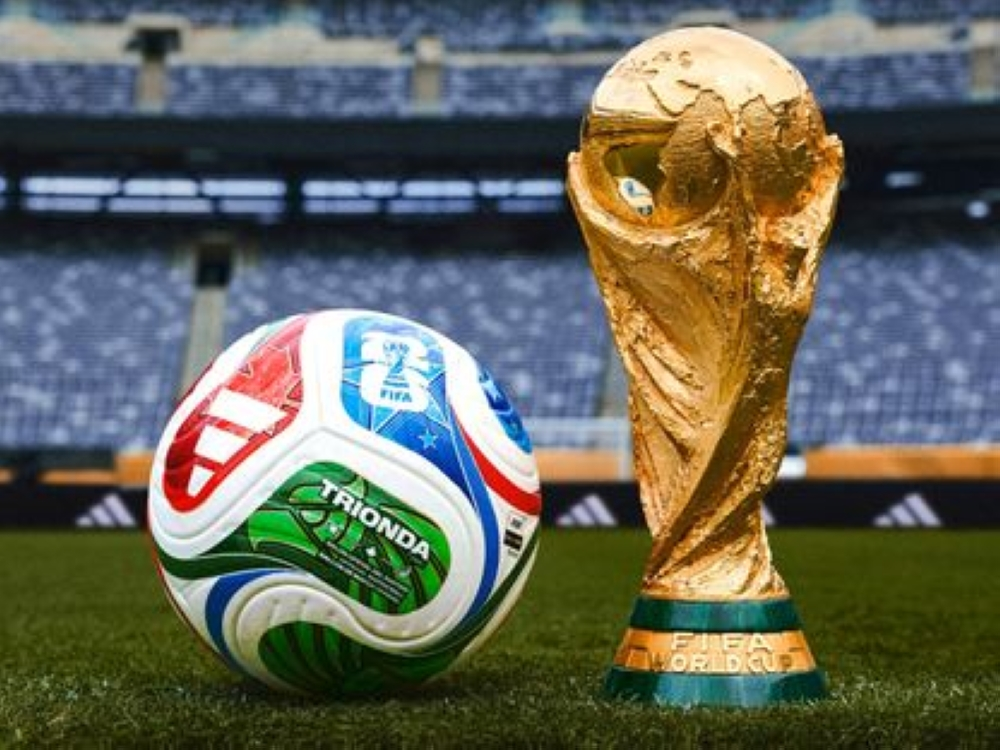
The German government consistently reaffirms its principled stance against calls to boycott major international sporting events, such as the FIFA World Cup. This policy is based on the firm conviction that dialogue and engagement are preferable to isolation, and that sport should remain a bridge for communication between peoples, not an arena for settling political scores. This position was clearly demonstrated during the controversy surrounding the 2022 World Cup in Qatar and is expected to continue as a fundamental approach to future tournaments, including the 2026 World Cup scheduled to be held in the United States, Mexico, and Canada.
Historical context: The controversy surrounding the 2022 Qatar World Cup
The 2022 World Cup in Qatar presented a true test of this principle. Numerous voices within Germany and Europe, from human rights organizations and fan groups to some politicians, called for a boycott of the tournament in protest against Qatar's human rights record, particularly concerning the rights of migrant workers and the LGBTQ+ community. Despite public and media pressure, the German government, led by Chancellor Olaf Scholz, maintained its stance against a boycott. Instead, Berlin pursued a path of "critical diplomacy," with Interior and Sports Minister Nancy Weiser visiting Qatar before the tournament, emphasizing the importance of direct dialogue as a means of pressing for tangible reforms. This position was also reflected in the stance of the German Football Association (DFB), which opted to participate while using the tournament's global platform to highlight human rights issues.
The importance and impact of the event: Sport as a tool of soft power
Germany believes that participating in major sporting events gives it greater leverage and influence than a boycott could achieve. Isolation can sever communication channels, while participation provides an opportunity for high-level political and diplomatic discussions on the sidelines of the competitions. These tournaments also serve as a platform to enhance Germany's international image as an open country that supports democratic values and human rights through the initiatives of its athletes and officials. Regionally and internationally, Germany's position is seen as an influential voice within the European Union, with Berlin often leading discussions on how to balance political interests and ethical values in international relations. Rejecting a boycott does not mean ignoring the issue; rather, it is choosing a different strategy that is believed to be more effective in the long run for achieving positive change.
Looking ahead: The 2026 World Cup and beyond
With the 2026 World Cup approaching, to be held in three North American countries, Germany is unlikely to change its approach. While the political and social challenges in the host countries (the United States, Mexico, and Canada) differ from those in Qatar, the fundamental principle remains the same. Germany will continue to view sport as an opportunity to strengthen international relations and foster mutual understanding, while reserving the right to express its critical views on any political or human rights issues that may arise. Ultimately, the German stance exemplifies the attempt to strike a delicate balance between the worlds of sport and politics, prioritizing diplomacy and dialogue over boycotts and isolation.