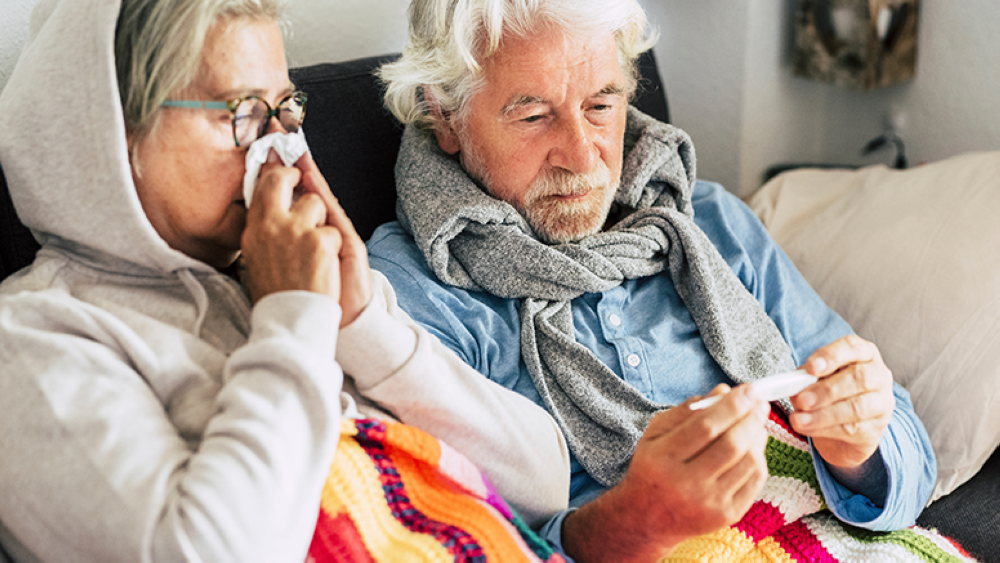
Germany is currently experiencing a widespread health crisis as winter approaches, with nearly 2.7 million people suffering from acute respiratory infections , according to the latest data from the Robert Koch Institute (RKI), the country's public health agency. These figures highlight the seasonal health challenges facing Europe as temperatures drop.
Details of the epidemiological report and infection rates
The institute explained in its weekly report issued today, Thursday, that the infection rate has reached alarming levels, estimated at 8,700 cases per 100,000 people. Experts describe this level as high compared to normal rates outside of peak seasons. These precise statistics are based on data collected through the GrippeWeb portal, a platform that relies on citizens voluntarily reporting their symptoms, and this data covers the period from November 24 to 30.
Seasonal context and the nature of the circulating viruses
This increase in cases is part of the usual seasonal pattern of winter illnesses in Germany, where respiratory viruses are particularly active in cold, enclosed environments. According to the Robert Koch Institute, the A(H1N1)pdm09 , which first emerged during the 2009 pandemic and has since become a common seasonal virus, has been observed extensively this season. This strain has currently outperformed other respiratory viruses in terms of prevalence.
The importance of vaccination and the recommendations of the Standing Committee (Stiko)
Amid this widespread outbreak, the institute emphasized the effectiveness of available vaccines, noting that the compatibility of current influenza strains with the vaccines used has been thoroughly tested. The institute stated, "The influenza vaccine is expected to continue to provide strong protection against severe cases and serious complications." This statement offers important reassurance to the public regarding the effectiveness of preventative measures.
In this context, the report reiterated the call to adhere to the recommendations of the Standing Committee on Immunization (Stiko), which advises specific groups to get the influenza vaccine to avoid health complications. These groups include:
- People over the age of 60.
- People with chronic diseases that may weaken the immune system.
- Pregnant women.
- Residents of nursing homes.
- Medical and healthcare workers, due to their constant exposure to patients.
Expected impact on the health system
This surge in respiratory infections is expected to put increased pressure on medical clinics and hospitals across Germany, as well as lead to higher rates of sick leave among employees, potentially disrupting operations in some sectors. Experts therefore advise adhering to general hygiene measures, such as frequent handwashing and avoiding crowded places when experiencing symptoms, to curb the spread of infection and protect vulnerable groups.