New escalation in the wage dispute in Germany
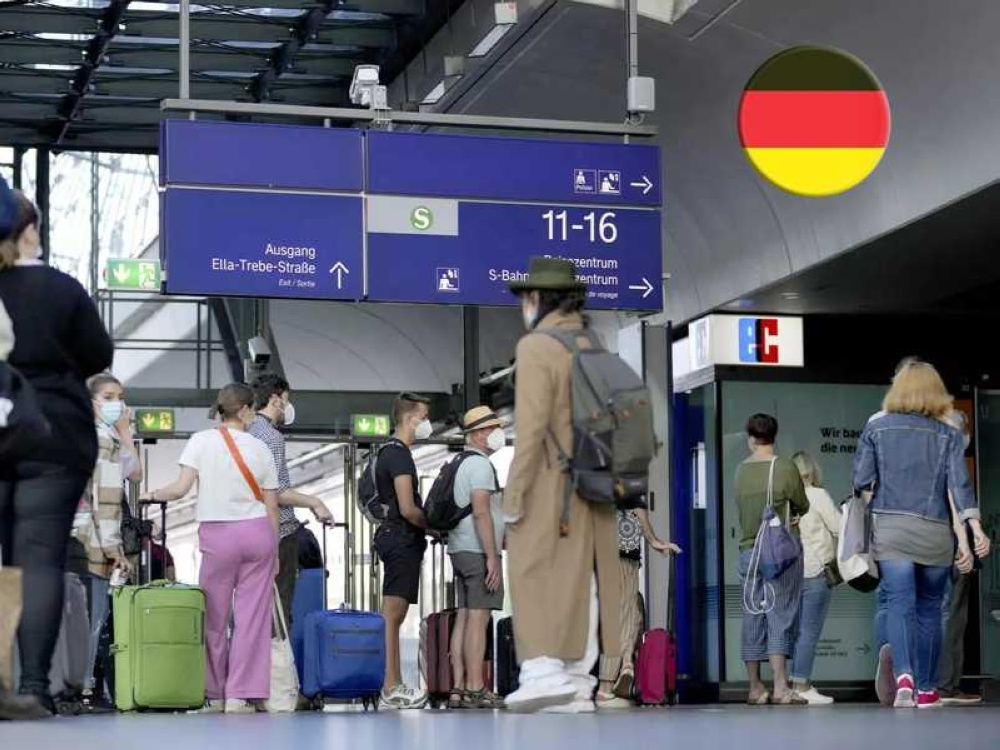
The German services union Verdi has announced a second large-scale warning strike in the local public transport sector, scheduled to begin on Friday and extend into Saturday in some areas. This escalation comes as part of ongoing negotiations regarding wages and working conditions for approximately 100,000 employees across more than 150 municipal transport companies, and aims to increase pressure on employers to reach an agreement that meets workers' demands.
Background of the strike and the economic context
This strike is not an isolated incident; it is part of a wave of labor unrest that has swept through Germany, Europe's largest economy, in recent months. After years of relative stability in labor relations, successive economic challenges, most notably high inflation and the erosion of citizens' purchasing power due to the energy crisis and the repercussions of the coronavirus pandemic, have made collective bargaining more difficult and tense. Other vital sectors, such as airports, railways, and public services, have also experienced similar strikes demanding wage increases commensurate with the rising cost of living and improved working conditions amid a shortage of skilled labor.
A wide impact is expected on the lives of millions
The strike is expected to have a major impact on daily life across much of the country. The Verdi union said in a statement that bus and tram services will be almost completely halted on Friday in many affected cities and regions. This near-total shutdown will affect millions of commuters who rely on public transport to get to work, school, and university. The strike is also expected to exacerbate traffic congestion on highways and main roads, as many people resort to using their private cars as an alternative, further straining road infrastructure.
Workers' demands and the union's position
The demands of the employee representatives center primarily on improving working conditions. They are calling for a reduction in weekly working hours, increased rest periods between shifts, and higher bonuses for working night shifts and weekends. In some German states, the union is also demanding a wage increase of up to 10%. Christine Behl, vice president of the Verdi union, expressed her disappointment with the progress of the negotiations, stating, "Despite four rounds of negotiations in some sectors, the progress made is negligible." This strike follows a 24-hour warning strike in early February, which brought services to a standstill at more than 100 companies, indicating the union's determination to escalate its actions until its demands are met.