Huge reward for information leading to the identification of those responsible for the Berlin attack
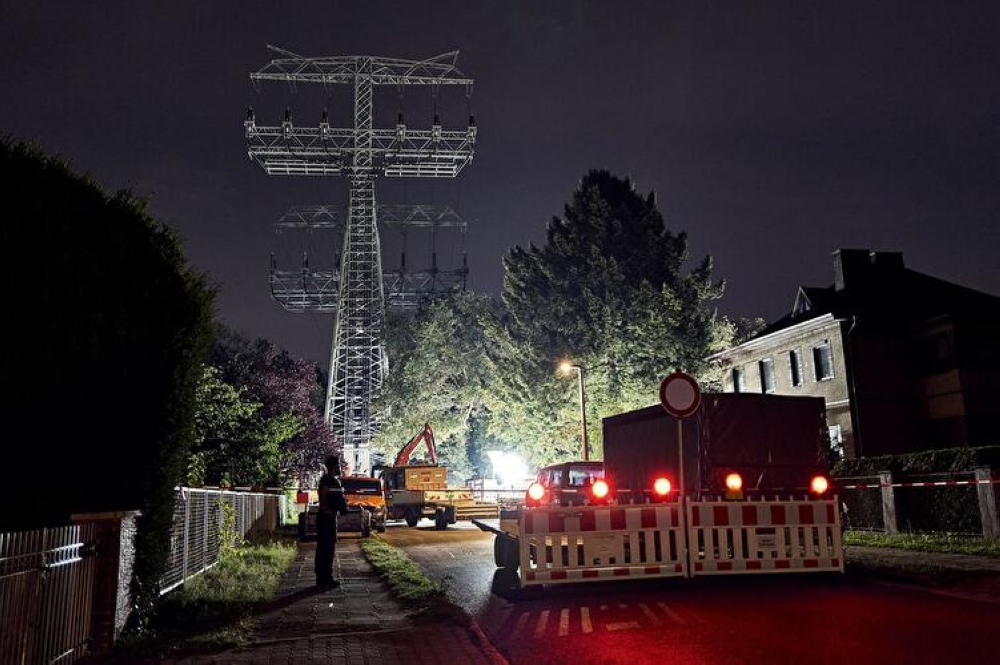
In a move reflecting the seriousness of the situation, German authorities, through the Interior Minister, announced a substantial reward of one million euros (approximately $1.19 million) for information leading to the identification and arrest of suspects in a deliberate sabotage attack. The attack, believed to have been carried out by a far-left group, caused a widespread power outage in Berlin and the surrounding area, affecting the lives of thousands and raising serious security and economic concerns.
Background of the attack and its direct impact
The incident was caused by an arson attack targeting vital energy infrastructure, resulting in a power outage affecting approximately 45,000 homes and over 2,200 businesses in southwest Berlin. The outage lasted for nearly a week, causing partial disruption to daily life and significant economic losses for the affected companies. A radical left-wing group known as the Vulkangruppe (Volcano Group) claimed responsibility for the attack in an online statement, justifying it as part of their struggle against capitalism and technology.
Historical context and importance of the event
This attack cannot be separated from the broader context of political extremism that Germany has historically experienced. Attacking critical infrastructure is reminiscent of tactics used by past extremist groups such as the Red Army Faction (RAF) in the 1970s and 80s, which targeted symbols of the state and the capitalist system. This incident demonstrates that the threat of domestic terrorism remains, and that its targets are evolving to include the infrastructure upon which modern society depends, such as energy and communication networks. The targeting of Tesla's electric car factory in previous attacks by the same group underscores this trend, as the group views the company as a symbol of "green capitalism," which it claims is destroying the environment under the guise of sustainability.
Economic and political repercussions
The repercussions of the attack extend far beyond the immediate material damage. Locally, the incident sparked widespread anxiety among residents and highlighted the vulnerability of critical infrastructure. Regionally and internationally, the attack sent a worrying message to foreign investors about the security of their investments in Germany. Interior Minister Alexander Dobrindt pledged a firm and decisive response, emphasizing that "the size of the reward reflects the seriousness of the situation." Police announced a broad publicity campaign to disseminate information about the reward, including the distribution of leaflets and posters in public places and subway stations. The incident also ignited a broader political debate about the need to strengthen security measures and grant police greater powers, such as the use of facial recognition technology and digital surveillance, to more effectively combat left-wing extremism and other forms of extremism.