The German government expressed deep skepticism on Friday about the likelihood of Russia making any substantial concessions aimed at resolving the conflict in Ukraine, as preparations were underway for upcoming talks between officials from Russia, Ukraine, and the United States. These statements reflect growing European concern that the negotiations are merely a political maneuver with no genuine intention of achieving peace.
German skepticism and maximalist Russian demands
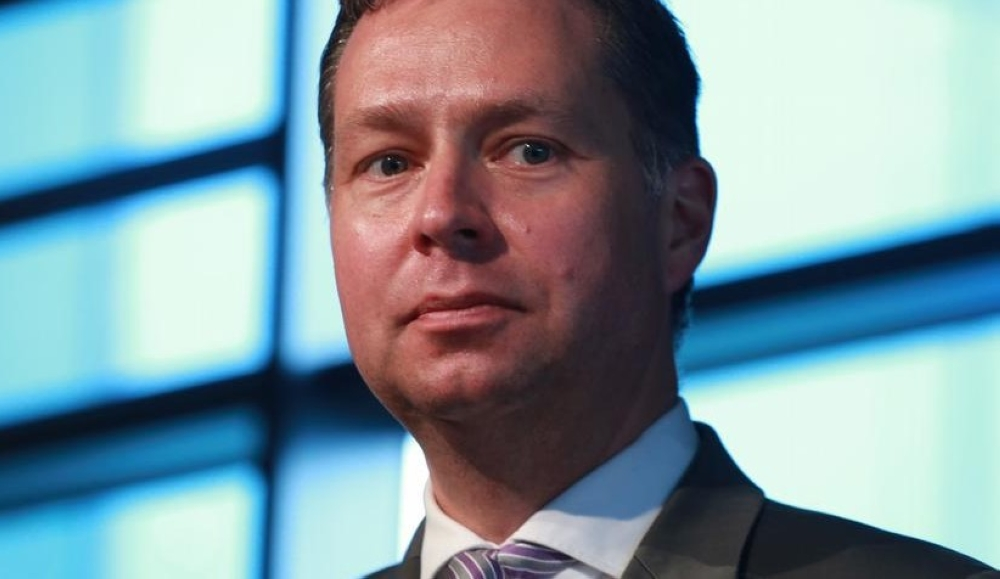
At a press conference in Berlin, German government spokesman Stephan Mayer stated that Berlin was monitoring the situation very closely, saying, "We note that there are important and ongoing questions about Russia's willingness to relinquish its maximalist demands." Mayer explained that while the European side was not invited directly to the trilateral negotiations, it was consulted closely, which underscores the unity of the West in the face of security challenges.
German concerns revolve around the Kremlin's insistence on preconditions that the West considers impossible, as the Russian side has demanded the withdrawal of Ukrainian forces from the eastern and southern regions that Moscow has declared annexed, considering this a necessary condition for any solution, which Kyiv rejects outright and considers an infringement on its national sovereignty and territorial integrity.
Context of the conflict: between lasting peace and temporary truce
To understand the depth of the German position, one must consider the historical and military context of the conflict that erupted in full force in February 2022. The war was no longer merely a border dispute, but had transformed into a protracted war of attrition impacting the global economy and European energy security. From this perspective, the German spokesperson emphasized that any future agreement must "establish a lasting peace," not just a ceasefire.
Meyer added, warning, "Nothing will be achieved if the peace agreement ultimately amounts to nothing more than a respite for Russia, which it can exploit to regroup and launch new attacks later." This statement reflects European concerns about a repeat of past scenarios where diplomatic agreements were used as a cover for preparing for more intense military campaigns.
The importance of security guarantees and the Ukrainian position
In a related context, the German official emphasized the paramount importance of the "security guarantees" that the West must provide to Ukraine to ensure it is not subjected to future aggression. These guarantees are considered the cornerstone of any negotiations, as Kyiv seeks clear defense commitments equivalent in strength to Article 5 of the NATO treaty.
For his part, Ukrainian President Volodymyr Zelensky did not hide his frustration with European hesitation, criticizing Kyiv's political and financial backers on the continent. He asserted that Europe "seems lost" in its attempts to influence the American decision or persuade Russian President Vladimir Putin to change course. Observers believe these statements reflect Ukrainian concerns about the possibility of a political settlement being imposed that does not meet Kyiv's aspirations to regain all of its territory, especially given the current international political shifts.