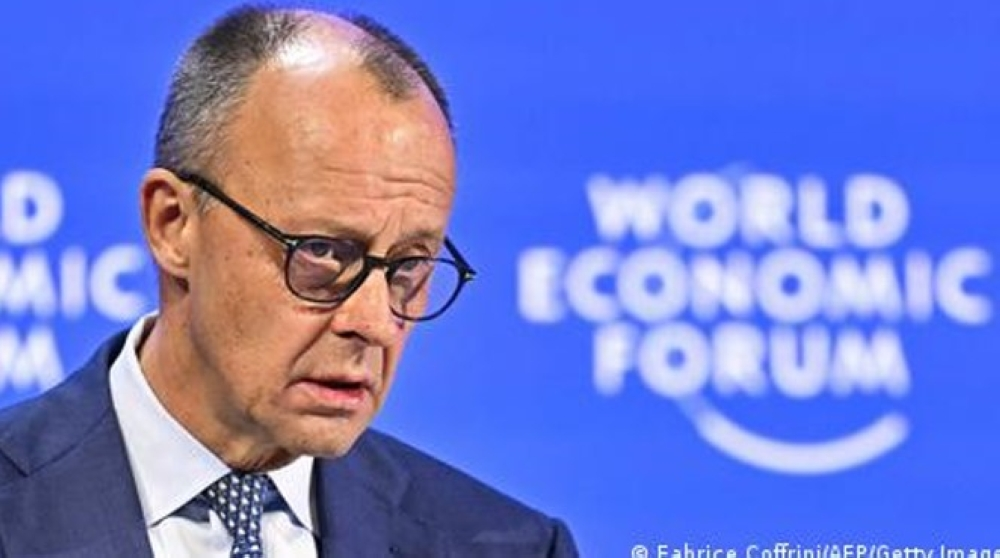
في ظل التوترات الجيوسياسية المتصاعدة التي تعصف بالعالم، أطلق فريدريش ميرتس، زعيم حزب الاتحاد الديمقراطي المسيحي (CDU) المعارض في ألمانيا، تحذيراً قوياً من منتدى دافوس الاقتصادي العالمي، مؤكداً أن عالماً لا تحكمه سوى القوة هو “مكان خطير”. جاءت تصريحاته لتعكس قلقاً أوروبياً متزايداً في مواجهة الغزو الروسي لأوكرانيا، وصعود النفوذ الصيني، والتحولات العميقة في السياسات الخارجية والأمنية للولايات المتحدة.
خلفية تاريخية: من رماد الحرب إلى النظام العالمي
يستدعي تحذير ميرتس إلى الأذهان الدروس القاسية التي تعلمتها ألمانيا وأوروبا من القرن العشرين. فبعد حربين عالميتين مدمرتين، تأسس النظام الدولي بعد عام 1945 على مبادئ القانون الدولي والتعاون متعدد الأطراف والمؤسسات المشتركة مثل الأمم المتحدة، بهدف منع تكرار الكوارث التي تسببها سياسات القوة والهيمنة. وأشار ميرتس بوضوح إلى هذه التجربة المريرة بقوله: “في القرن العشرين، سلكت بلادي ألمانيا هذا الطريق حتى نهايته المريرة وجرفت العالم معها إلى هاوية مظلمة”. هذا الإرث التاريخي هو ما يدفع ألمانيا اليوم إلى التمسك بنظام عالمي قائم على القواعد، حيث للدول الصغيرة والمتوسطة صوت وحماية، وحيث يتم حل النزاعات عبر الدبلوماسية لا القوة الغاشمة.
أهمية التحذير في سياق “نقطة التحول” الألمانية
تكتسب هذه التصريحات أهمية خاصة لأنها تأتي في وقت تشهد فيه ألمانيا نفسها تحولاً تاريخياً في سياستها الخارجية والأمنية، وهو ما أطلق عليه المستشار أولاف شولتس مصطلح “Zeitenwende” (نقطة تحول زمنية). فبعد عقود من الحذر العسكري والتركيز على الدبلوماسية الاقتصادية، دفعت الحرب في أوكرانيا برلين إلى إعادة تقييم جذرية لموقفها. شمل هذا التحول زيادة هائلة في الإنفاق الدفاعي وتزويد أوكرانيا بأسلحة فتاكة، مما يمثل قطيعة مع سياسات الماضي. وبالتالي، فإن تحذير ميرتس ليس مجرد خطاب، بل هو انعكاس لإدراك ألماني عميق بأن الأمن الأوروبي لم يعد مضموناً، وأن القارة يجب أن تستعد للدفاع عن قيمها ومصالحها في عالم أكثر خطورة.
التأثير الإقليمي والدولي: تحديات التحالفات القائمة
على الصعيد الإقليمي، يسلط التحذير الضوء على ضرورة تعزيز الوحدة الأوروبية والاستقلالية الاستراتيجية. فالاعتماد الكامل على المظلة الأمنية الأمريكية أصبح محل تساؤل، خاصة في ضوء التقلبات السياسية في واشنطن. وفي هذا السياق، تأتي تصريحات لارس كلينغبايل، الرئيس المشارك للحزب الاشتراكي الديمقراطي (SPD)، الذي حذر في وقت سابق من أن “التحالف عبر الأطلسي يشهد تحولاً أعمق”، مشيراً إلى التوترات التي سادت خلال إدارة الرئيس السابق دونالد ترامب. هذه المخاوف تدفع أوروبا نحو بناء قدرات دفاعية خاصة بها وتنسيق سياساتها الخارجية بشكل أكثر فعالية لمواجهة التهديدات المشتركة.
دولياً، يمثل التحذير دعوة للدفاع عن النظام الليبرالي العالمي ضد محاولات تقويضه من قبل قوى تسعى لفرض مناطق نفوذ خاصة بها. فالتنافس بين القوى العظمى لا يهدد الأمن فحسب، بل يعرقل أيضاً الجهود العالمية لمواجهة تحديات ملحة مثل تغير المناخ والأوبئة، والتي تتطلب تعاوناً دولياً واسع النطاق وليس صراعاً على الهيمنة.