The German Association of the Automotive Industry (VDA) has sounded the alarm, warning that Germany's position as a leading global automotive manufacturing hub is facing a historic decline as investment and jobs increasingly migrate abroad. This warning comes at a time when the industry, the backbone of the German economy, is facing existential challenges that threaten its long-held dominance.
Historical background: “Made in Germany” is at stake
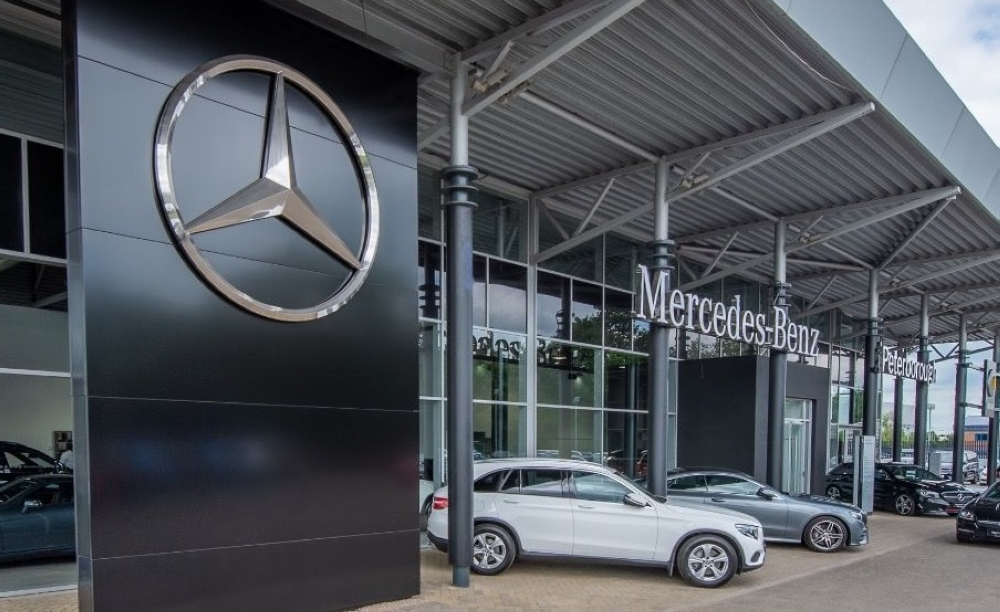
The German automotive industry has long been synonymous with superior quality, precision engineering, and innovation. Since Karl Benz invented the first gasoline-powered car in 1886, Germany has led the world in this sector, becoming home to giants such as Volkswagen, Mercedes-Benz, BMW, and Porsche. For decades, this sector has been the engine of growth for the German economy, providing hundreds of thousands of direct and indirect jobs and contributing significantly to GDP and exports.
Worrying figures and a trend towards withdrawal
A recent survey by the German Association of Industrialists and Trades Organizations (DGI) revealed that 72% of member companies plan to reduce their investments in Germany, either by relocating them abroad (28%), postponing them (25%), or canceling them entirely (19%). DGI President Hildegard Müller stated that "the exodus of investments and jobs will have serious consequences for Germany's prosperity and its social and political stability." She added that the specter of recession looms over the manufacturing sector, which has already lost nearly 55,000 jobs in the automotive industry over the past two years.
The importance of the event and its expected impact
The repercussions of this crisis extend far beyond Germany's borders. Domestically , the industrial downturn threatens further job losses, weakens a vast network of local suppliers, and negatively impacts the economy as a whole. Regionally , any weakening of Germany's industrial engine will have a domino effect on the economies of other EU countries closely linked to German supply chains. Internationally , this shift opens the door for competitors, particularly from China and the United States, to strengthen their position in the global market, especially in the electric vehicle sector, where Germany is struggling to catch up.
Multiple challenges: from costs to Chinese competition
The crisis stems from a complex mix of factors, most notably rising energy and labor costs, cumbersome bureaucracy, and weak global demand. These pressures are exacerbated by fierce competition from Chinese companies that have flooded the market with advanced electric vehicles at competitive prices. Müller criticized the European Union's package of measures to support the shift to electric vehicles, calling for "market-driven incentives rather than regulatory obligations" to encourage growth and innovation. This situation raises concerns about a repeat of the "Nokia moment," referring to the rapid collapse of the once-dominant mobile phone company that failed to adapt to technological changes.