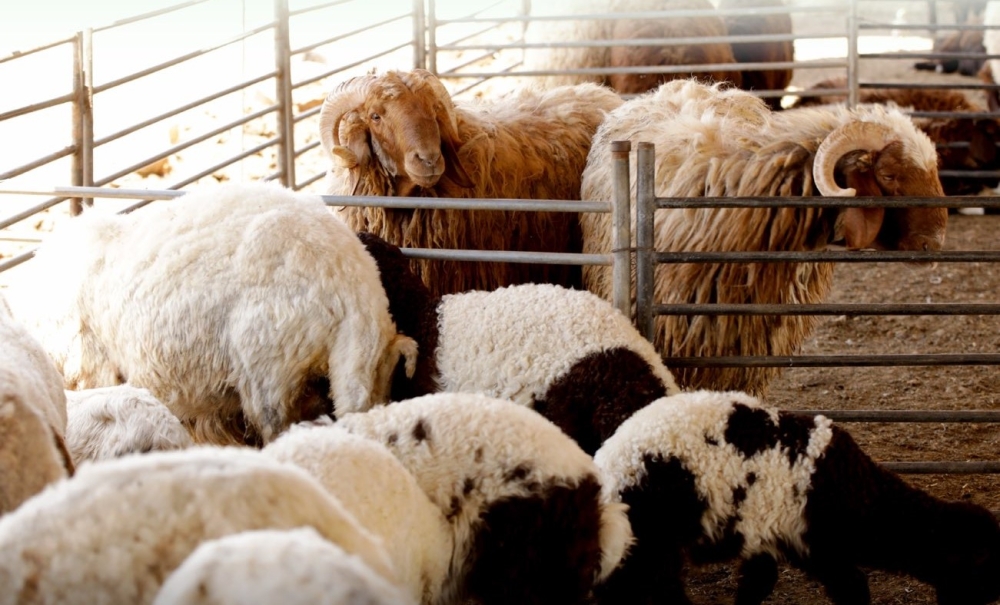
In a strategic move reflecting the Kingdom of Saudi Arabia's commitment to enhancing its food security and developing its agricultural capabilities, the National Livestock and Fisheries Development Program announced the completion of the first phase of its ambitious program for the genetic improvement of sheep and goat breeds. This achievement represents a qualitative leap in livestock management methods, as it involved rigorous genetic profiling tests on thousands of samples from established local breeds.
Details of the field and research achievement
This foundational phase witnessed intensive efforts culminating in the collection of over 4,500 laboratory samples. This was achieved through more than 90 field visits conducted by research teams across six different geographical regions of the Kingdom. These regions were carefully selected to ensure environmental and geographical diversity, thus guaranteeing the comprehensiveness and accuracy of the research findings. The efforts focused on three main local breeds that form the backbone of livestock in the Arabian Peninsula: the Najdi sheep, the Harri sheep, and the Ardi goat.
Strategic and economic importance
This project is not limited to research alone; it also carries significant economic and developmental dimensions that align with the goals of the Kingdom's Vision 2030. By linking phenotypic characteristics (appearance and productivity) with genetic traits, a precise national database will be established. This database will be the cornerstone for identifying highly productive breeds, whether for meat or milk production, thus contributing to reducing reliance on imports and increasing self-sufficiency.
Transition from traditional to scientific education
This advanced scientific approach aims to fundamentally change the practices of breeders and investors by shifting from traditional, haphazard breeding methods to modern, scientifically and genetically grounded practices. This transformation will positively impact the reduction of wasted operational costs, improve feed conversion rates, and enhance disease resistance, thereby increasing the economic viability of livestock projects and ensuring their sustainability for future generations.
International partnerships to ensure quality
To ensure that the results meet the highest international standards, this program is implemented in strategic partnership with prestigious academic and international institutions. Foremost among these is King Saud University, which provides academic and research expertise, and the Food and Agriculture Organization of the United Nations (FAO), which offers technical and advisory support. This partnership lends high scientific credibility to the program's outputs and enhances the Kingdom's standing in the field of agricultural and animal research regionally and internationally.