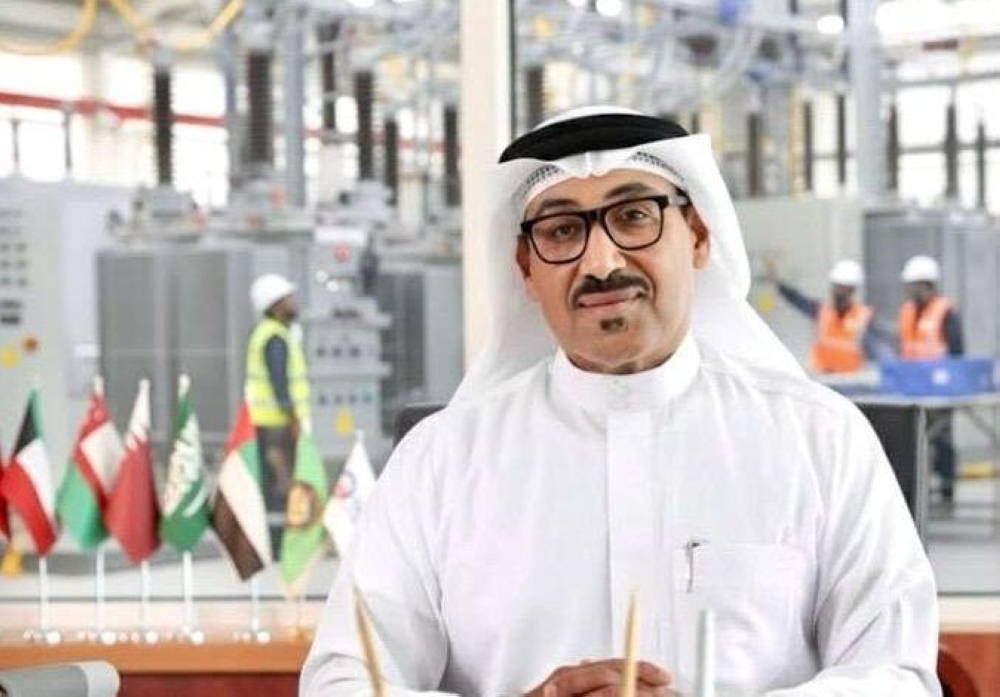
The CEO of the GCC Interconnection Authority, Engineer Ahmed Al-Ibrahim, announced the final timetable for completing the strategic electrical interconnection project with the Republic of Iraq, confirming that the first quarter of 2026 will witness the completion of the project and its official launch, in preparation for the start of actual electricity exports to the Iraqi grid during the summer of the same year.
Overcoming challenges and stages of achievement
Al-Ibrahim explained that reaching this advanced stage was not a coincidence, but rather the result of intensive efforts to overcome technical, organizational, and logistical obstacles that the project faced in its early stages. He pointed out that close cooperation between the technical and administrative teams in the GCC countries and the Iraqi side played a crucial role in accelerating the pace of work, bringing the project to its final stages and making it ready for operation according to the established timeline.
Historical context and strategic importance
This project comes at a time when Iraq has suffered for decades from a significant gap between electricity production and increasing demand, especially during peak seasons. The Iraqi-Gulf Interconnection Project is a historic step, representing the first extension of the Gulf Cooperation Council (GCC) grid outside the GCC countries since the GCC Interconnection Authority's establishment in 2001. The project primarily aims to supply southern Iraq with electricity, thereby helping to alleviate the frequent power outages that disrupt daily life and economic activity in Iraqi provinces.
A qualitative leap in regional energy security
The CEO of the authority confirmed that this interconnection represents a strategic qualitative leap that goes beyond the traditional concept of energy exchange, as it achieves the following advantages:
- Enhancing reliability: Supporting the stability of the electrical grid in southern Iraq, especially during the hot summer months which witness record loads.
- Economic efficiency: Taking advantage of the difference in peak times between the Gulf States and Iraq, allowing for the exchange of surplus energy instead of wasting it.
- Clean energy: The project opens up prospects for exporting renewable and low-emission energy from the Gulf countries to neighboring markets, in line with global environmental visions.
A bridge for economic and development cooperation
The project's impact extends beyond the technical aspects; Al-Ibrahim described it as a "bridge for economic cooperation," establishing a new phase of sustainable partnerships. The project reflects the vision of Saudi Arabia and the GCC countries to transform the region into a major regional energy hub, linking Gulf infrastructure with neighboring countries, thereby enhancing opportunities for sustainable development and generating economic returns for all participating parties.
Al-Ibrahim concluded his remarks by emphasizing the Gulf Cooperation Council Interconnection Authority’s commitment to continuing its leading role in developing electrical infrastructure, thereby ensuring long-term energy security and enhancing Arab economic integration.