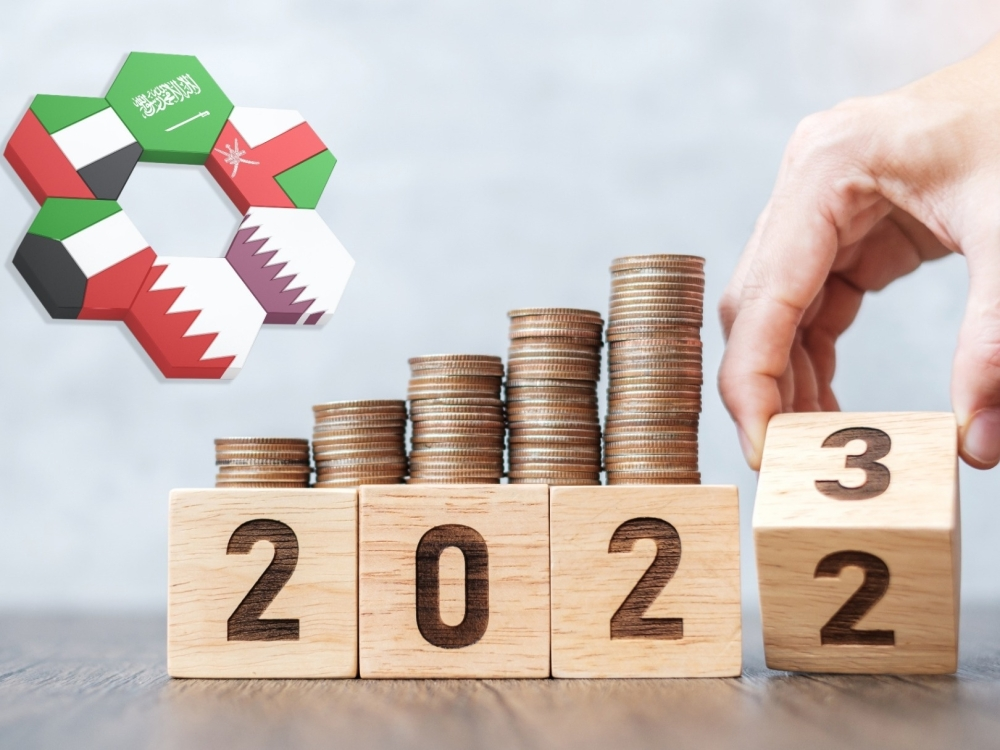
في إنجاز يعكس قوة ومتانة اقتصاداتها المتنامية، سجلت التجارة الخارجية السلعية لدول مجلس التعاون لدول الخليج العربية مستوى تاريخياً في عام 2024، حيث قفز حجمها بنسبة 7.4% ليبلغ حوالي 1.6 تريليون دولار أمريكي، مقارنة بـ 1.5 تريليون دولار في عام 2023. ويُعد هذا الرقم، الذي أعلنه المركز الإحصائي لدول مجلس التعاون، الأعلى في تاريخ الكتلة الاقتصادية خلال الفترة من 2017 إلى 2024، مؤكداً على الدور المحوري الذي تلعبه المنطقة في خريطة التجارة العالمية.
خلفية تاريخية ومسار نحو التنويع الاقتصادي
منذ تأسيسه في عام 1981، سعى مجلس التعاون الخليجي إلى تحقيق التكامل الاقتصادي بين أعضائه (المملكة العربية السعودية، الإمارات العربية المتحدة، الكويت، قطر، البحرين، وسلطنة عُمان). ورغم أن اقتصادات هذه الدول قامت تاريخياً على صادرات النفط والغاز، إلا أنها أطلقت خلال العقد الماضي خططاً ورؤى استراتيجية طموحة، مثل “رؤية السعودية 2030” و”رؤية الإمارات 2071″، بهدف تنويع مصادر الدخل وتقليل الاعتماد على الموارد الهيدروكربونية. وتُظهر الأرقام القياسية للتجارة الخارجية اليوم نجاح هذه السياسات في تعزيز القطاعات غير النفطية وجعلها مساهماً رئيسياً في النمو الاقتصادي.
تفاصيل الأداء التجاري لعام 2024: نمو مدفوع بالصادرات غير النفطية
كشفت البيانات التفصيلية أن قيمة إجمالي الصادرات السلعية لدول المجلس بلغت حوالي 850 مليار دولار في 2024، بنمو سنوي قدره 3.4%. ويكمن المحرك الرئيسي لهذا النمو في الارتفاع الملحوظ للصادرات غير النفطية بنسبة 22.5%، بالإضافة إلى زيادة إعادة التصدير بنسبة 1.4%. وفي المقابل، شهدت صادرات النفط والغاز تراجعاً طفيفاً بنسبة 1.8%، مما يشير إلى تحول هيكلي إيجابي في بنية الصادرات الخليجية.
على صعيد الواردات، سجلت دول المجلس نمواً قوياً بنسبة 12.3%، لتبلغ قيمتها قرابة 740 مليار دولار. ونتيجة لذلك، حقق الميزان التجاري السلعي فائضاً قدره 110 مليارات دولار، ورغم انخفاضه مقارنة بعام 2023، إلا أنه يضع دول المجلس في المرتبة الخامسة عالمياً من حيث حجم الفائض التجاري، مما يؤكد استمرار قوتها التصديرية.
خريطة الشركاء التجاريين: آسيا ترسخ مكانتها كشريك استراتيجي
حافظت القوى الاقتصادية الآسيوية على صدارتها كأهم الشركاء التجاريين لدول مجلس التعاون، مما يعكس عمق الروابط الاقتصادية والتحول المستمر نحو الشرق. وتصدرت القائمة الدول التالية:
- الصين: احتلت المرتبة الأولى بحجم تبادل تجاري بلغ 299 مليار دولار (18.8%).
- الهند: جاءت في المرتبة الثانية بحجم تبادل وصل إلى 158 مليار دولار (9.9%).
- اليابان: حلت ثالثاً بحجم تبادل قدره 114 مليار دولار (7.2%).
- الولايات المتحدة الأمريكية: جاءت في المرتبة الرابعة بنحو 89 مليار دولار (5.6%).
- كوريا الجنوبية: في المرتبة الخامسة بحوالي 88 مليار دولار (5.5%).
واستحوذت هذه الدول الخمس مجتمعة على 47% من إجمالي التبادل التجاري لدول المجلس، مما يبرز الأهمية الاستراتيجية لهذه الشراكات. وتعد الصين الشريك الأكبر على مستوى الصادرات والواردات على حد سواء، مما يكرس دورها كوجهة رئيسية للمنتجات الخليجية ومصدر أساسي للسلع الصناعية والتكنولوجية.
الأهمية والتأثير العالمي: الخليج كقوة تجارية مؤثرة
هذا الأداء المتميز لا يعزز فقط الاقتصادات المحلية لدول الخليج، بل يرتقي بمكانة المجلس ككتلة اقتصادية مؤثرة على الساحة الدولية. فقد تقدم مجلس التعاون ليحتل المرتبة الخامسة عالمياً من حيث حجم التبادل التجاري السلعي، بحصة تبلغ 3.2% من التجارة العالمية. هذا التقدم من المرتبة السادسة في العام السابق يؤكد تنامي دور المنطقة كمركز لوجستي وتجاري حيوي يربط بين الشرق والغرب، ولاعب رئيسي في استقرار سلاسل الإمداد والطاقة العالمية.
نمو التجارة البينية يعزز التكامل الخليجي
لم يقتصر النمو على التجارة مع العالم الخارجي، بل شهدت التجارة البينية بين دول المجلس نمواً لافتاً بنسبة 9.8% لتصل إلى 146 مليار دولار في 2024، وهو أعلى مستوى لها على الإطلاق. وقد تصدرت الإمارات العربية المتحدة والمملكة العربية السعودية المشهد، حيث استحوذتا معاً على نحو 75.8% من إجمالي التجارة البينية، مما يعكس دورهما كمحركين رئيسيين للتجارة الإقليمية ويعزز خطوات التكامل الاقتصادي الخليجي المشترك.