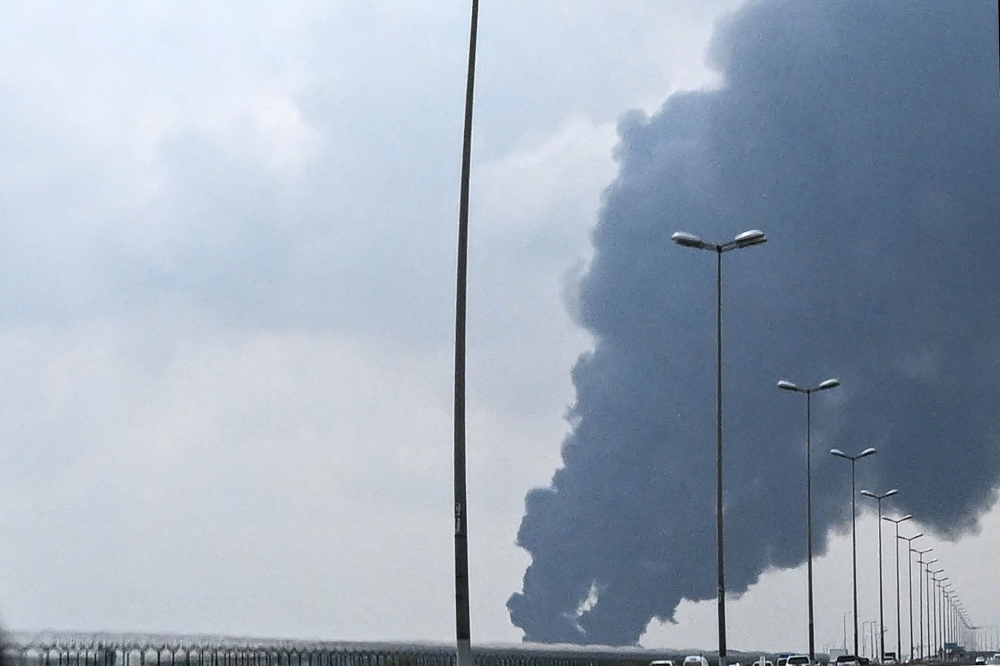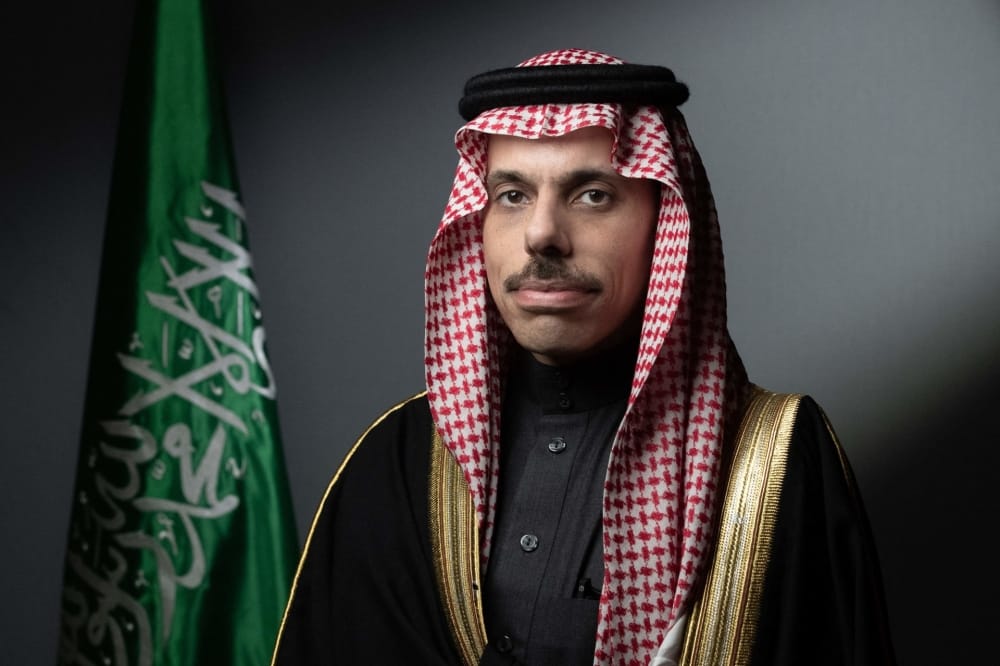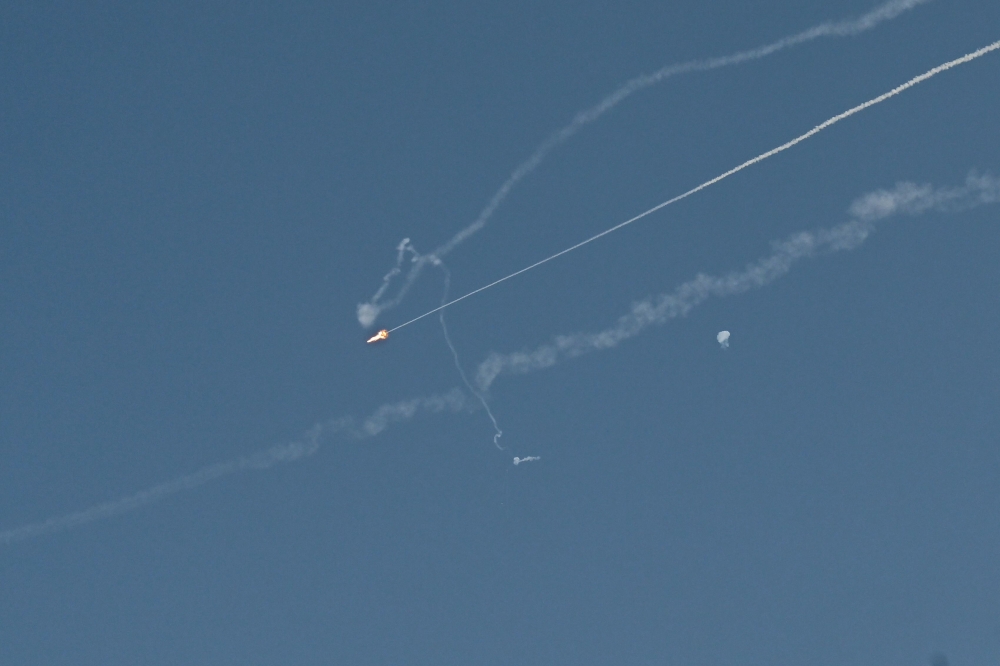
The Secretary-General of the Gulf Cooperation Council (GCC) strongly condemned the attacks on Saudi facilities , describing the attacks on the SAMREF refinery, Yanbu port, and a refinery south of Riyadh as acts of terrorism and blatant criminal aggression. In an official statement, he affirmed that this dangerous escalation not only targets the Kingdom of Saudi Arabia but also poses a direct threat to regional and international security, and represents a desperate attempt to destabilize global energy supplies.
The historical context of attacks targeting Saudi facilities and escalating tensions
This condemnation comes within a complex historical context marked by ongoing tensions in the Middle East. The targeting of Saudi facilities was not an isolated incident, but rather part of a series of systematic attacks aimed at undermining the Kingdom's economic infrastructure. Over the past years, several vital oil installations have been subjected to repeated targeting attempts, most notably the previous attacks on major oil facilities, which sparked widespread international condemnation. These attacks, often attributed to Iranian-backed militias, reflect a strategy aimed at exerting political and economic pressure by threatening the lifeblood of the global economy. Saudi Arabia, with the support of its allies in the Gulf Cooperation Council and the international community, has consistently countered these threats resolutely, strengthening its defense capabilities to protect its territory and national assets.
Economic and security repercussions at the regional and international levels
The strategic importance of Saudi Arabia as the world's largest oil exporter makes any attack on its territory a matter of international concern. Therefore, targeting Saudi facilities carries extremely serious economic and security repercussions that extend far beyond the region's borders. Domestically, these attacks aim to disrupt development and economic growth. Regionally, they exacerbate tensions and hinder diplomatic efforts to achieve peace and stability in the Middle East. Internationally, this blatant aggression poses a direct threat to the security of global energy supplies, potentially leading to sharp fluctuations in global oil markets and negatively impacting the global economy. The stability of energy markets depends fundamentally on the security of these vital facilities.
The unified Gulf position and the call for international intervention
The statement by the Secretary-General of the Gulf Cooperation Council (GCC) reflects the unified and unwavering position of the Gulf states in their complete solidarity with the Kingdom of Saudi Arabia. The GCC states consistently affirm that the Kingdom's security is an integral part of Gulf national security, and that any attack on it is considered an attack on the entire Gulf Cooperation Council. In this context, the urgent Gulf demand for the international community to fulfill its legal and moral responsibilities regarding these hostile acts is paramount. Mere statements of condemnation are no longer sufficient to deter these threats; rather, decisive international action and a unified stance are required to hold those behind these terrorist attacks accountable. Protecting waterways and oil installations is a shared international responsibility to ensure the continued flow of energy and to maintain international peace and security.