A unified Gulf strategy to enhance regional stability
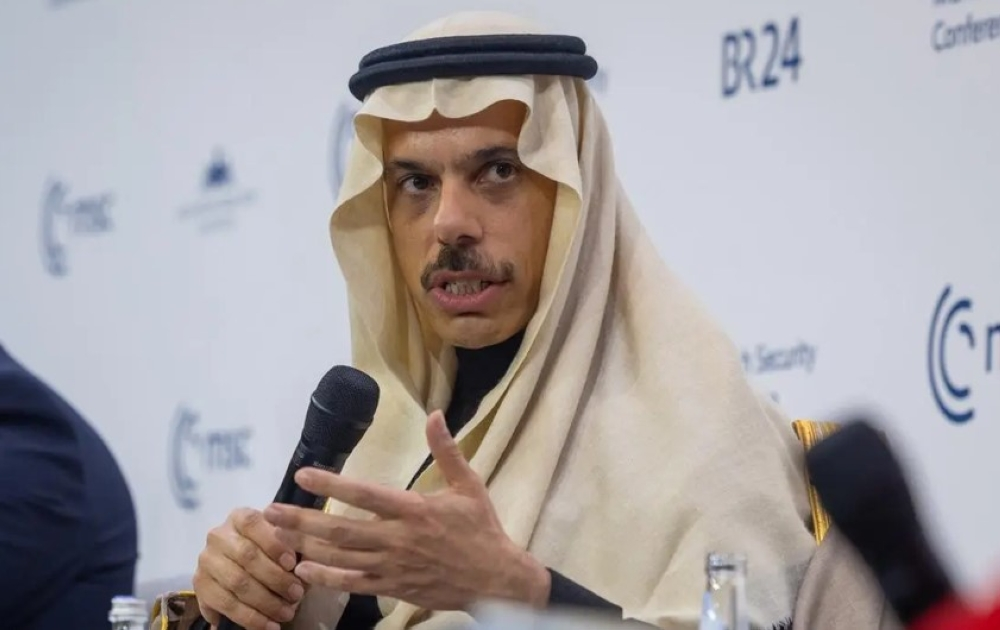
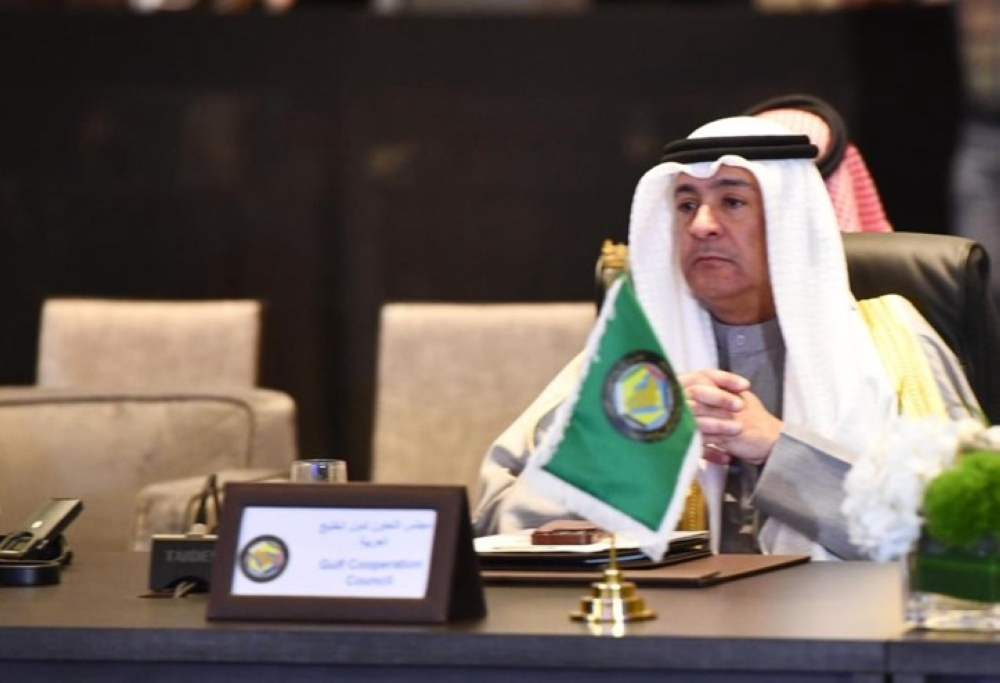
His Excellency Mr. Jassim Mohammed Al-Budaiwi, Secretary General of the Cooperation Council for the Arab States of the Gulf (GCC), affirmed that the Council has adopted a comprehensive and integrated crisis management strategy. This step reflects the growing role of the Council as a key player in maintaining security and stability at both the regional and international levels. This announcement came during His Excellency's participation in a panel discussion entitled "A Vision for the New Middle East: The Future of Regional Integration," held on the sidelines of the 62nd Munich Security Conference in the Federal Republic of Germany.
Historical context and renewed challenges
The Gulf Cooperation Council (GCC) was established in 1981 with the aim of achieving coordination, integration, and interdependence among its member states in all fields. Since its inception, the region has faced significant challenges, ranging from conventional warfare to asymmetric threats such as terrorism, cyberattacks, and global economic and health crises. These interconnected challenges have necessitated that the GCC states move beyond mere reactions to building a proactive system capable of anticipating and effectively managing crises. This new strategy serves as the framework for this transformation, aiming to unify efforts and coordinate positions to collectively and systematically confront shared risks, thereby strengthening the resilience of the GCC states and protecting their vital interests.
Dimensions of the strategy and its strategic importance
Al-Badawi explained that this strategy is not limited to the defensive aspect, but is a multi-dimensional approach combining political mediation, economic cooperation, and the building of international partnerships. Politically, the Council seeks to solidify its role as an impartial mediator in resolving regional conflicts, based on the principles of dialogue, respect for state sovereignty, and international law. Economically, economic integration is the cornerstone of achieving stability, as the strength of a unified Gulf economy forms a safety net against global fluctuations. Internationally, the Council has successfully forged a broad network of relationships with more than 23 countries and 8 international organizations, providing it with strategic depth and multiple channels for cooperation during times of crisis.
Expected impact at the regional and international levels
Adopting this strategy is expected to have a significant positive impact. Regionally, it will enhance the GCC states' ability to counter external interference and collectively protect their national security, reducing dependence on external powers and establishing a more sustainable regional security system. Internationally, the stability of the Gulf region is vital to the global economy, given its importance in global energy markets and maritime trade routes. By positioning itself as an active stabilizing force, the GCC reinforces its status as an indispensable international partner in addressing global issues. Al-Budaiwi emphasized that the Palestinian cause remains at the heart of the Council's priorities, stressing the need to achieve a just and lasting peace based on the two-state solution and the establishment of an independent Palestinian state with East Jerusalem as its capital. He also addressed the importance of including the GCC states in any negotiations concerning the Iranian nuclear program to ensure the security and stability of the region and to make it free of weapons of mass destruction.