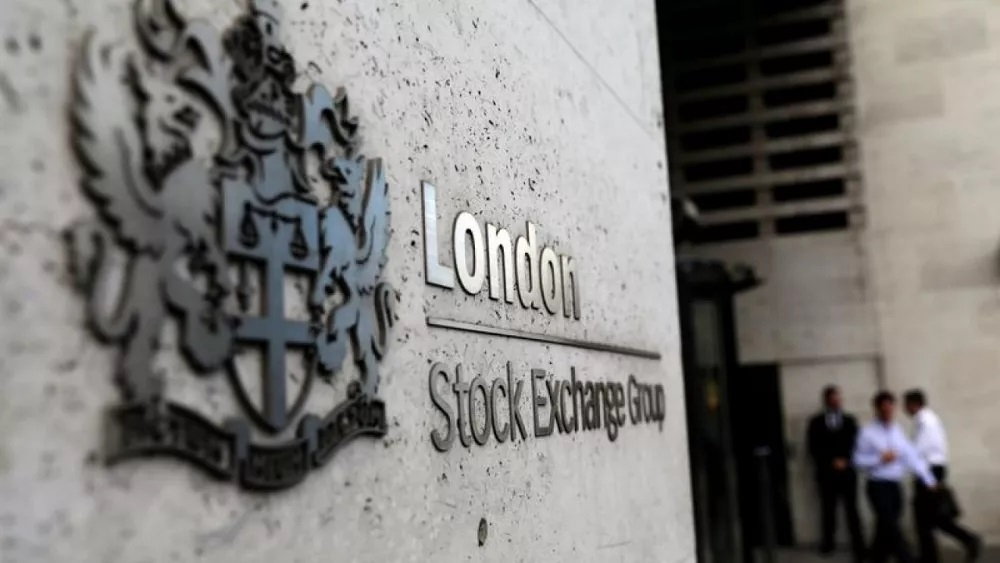
The British pound recorded a remarkable positive performance during trading on Monday, achieving a significant rise against both the US dollar and the single European currency, the euro, coinciding with the closing of financial markets in London on a green note, reflecting a state of relative optimism in the British financial markets.
The performance of the British pound in global markets
According to market data at the close of London trading, the British pound was trading at 1.3459 US dollars , marking a 0.42% . This move is a significant indicator for investors monitoring the GBP/USD pair, one of the most actively traded currency pairs in the global forex market.
In the same vein, the British pound strengthened against its European counterpart, rising to €1.1535 0.15% increase . These movements are particularly significant given the ongoing monitoring of economic indicators released by both the Bank of England and the European Central Bank, as interest rate differentials and economic forecasts play a pivotal role in determining exchange rate movements among the major economic powers in Europe.
FTSE 100 Index and London Stock Exchange
The FTSE 100, London's main index, closed today's trading session up 0.16% .
The index, which comprises the 100 largest companies listed on the London Stock Exchange by market capitalization, gained 16.10 points to close at 1140.70 , according to available data. The FTSE 100 is considered a vital indicator of the health of the British economy and the performance of major companies, and is often directly affected by movements in the pound sterling, as exporting companies benefit from a weaker currency and are negatively impacted by a stronger one. However, today's session saw both the currency and the index rise in tandem.
The importance of monitoring exchange rates
Monitoring the exchange rate of the British pound against a basket of major currencies is vital not only for traders in the financial markets but also for various economic sectors. A stronger pound can reduce the cost of imports to the UK, helping to curb imported inflation, but it can also pose a challenge for British exporters by making their goods more expensive in foreign markets.
All eyes remain on upcoming economic data and statements from monetary policymakers, which will be the main driver for the continuation of this positive momentum or for corrections to occur in the coming sessions.