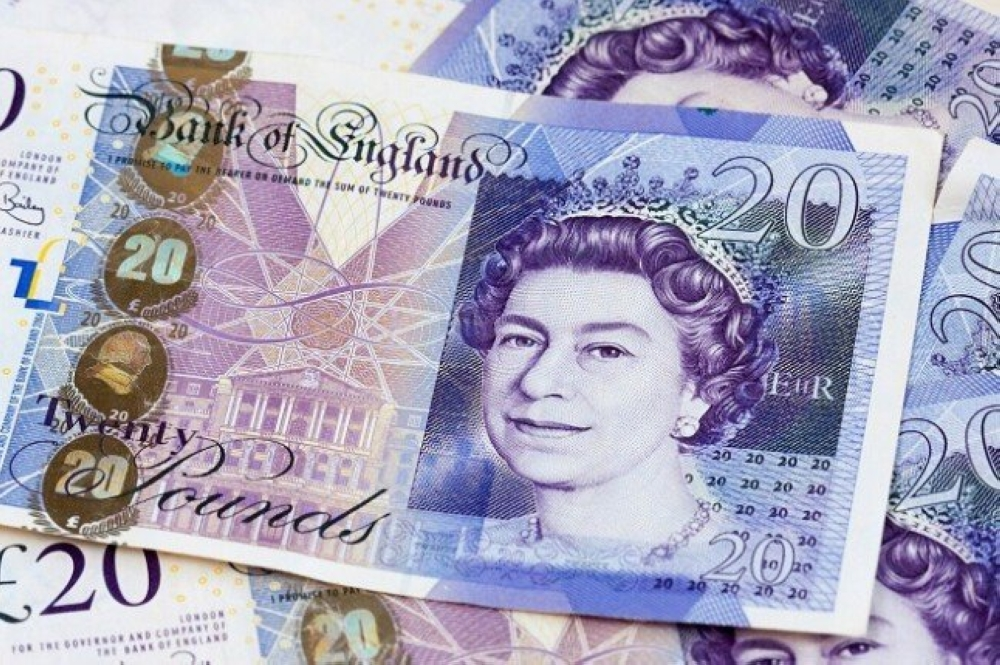
The British pound experienced a mixed day in global currency markets on Monday, rising significantly against the US dollar while experiencing a slight decline against the euro. These movements come within a complex global economic context, where exchange rates are influenced by a range of interconnected factors, from central bank decisions to economic data and investor confidence indicators.
According to closing data from London markets, the British pound (GBP) was trading at $1.3702 against the US dollar, a rise of 0.42%. Conversely, the pound fell against the euro by 0.09%, reaching €1.1526.
Historical background and importance of the "cable" pair
The GBP/USD pair, commonly known as the "cable" currency pair, is one of the oldest and most important currency pairs in the world. This name dates back to the 19th century, when exchange rates were transmitted between the London and New York stock exchanges via a submarine cable. Historically, this pair reflects the deep economic and political ties between the United Kingdom and the United States. Its movements are directly influenced by the monetary policies of the Bank of England and the US Federal Reserve, as well as inflation, growth, and unemployment data from both economies.
Impact of the relationship with Europe on the GBP/EUR pair
On the other hand, the GBP/EUR pair has gained particular importance, especially after Brexit. The volatility of this pair reflects the extent to which trade and investment between the UK and the Eurozone have been affected. Decisions by the European Central Bank and the Bank of England play a crucial role in determining its direction, as investors closely monitor interest rate differentials and economic forecasts for both regions. Any divergence in the economic recovery trajectory or monetary tightening policies can lead to significant shifts in the value of this pair.
Performance implications for European markets
The pound's movements coincided with a mixed performance in European stocks, with the pan-European STOXX 600 index closing 0.25% higher at 609.84 points. Germany's DAX index, a measure of the performance of the largest companies in Europe's largest economy, also rose, gaining 0.20% to close at 24,950.30 points. This performance reflects a cautious wait-and-see approach among investors, who are weighing signs of economic recovery against persistent concerns about inflation and the future monetary policies of major central banks – factors that directly impact both currency and equity markets.