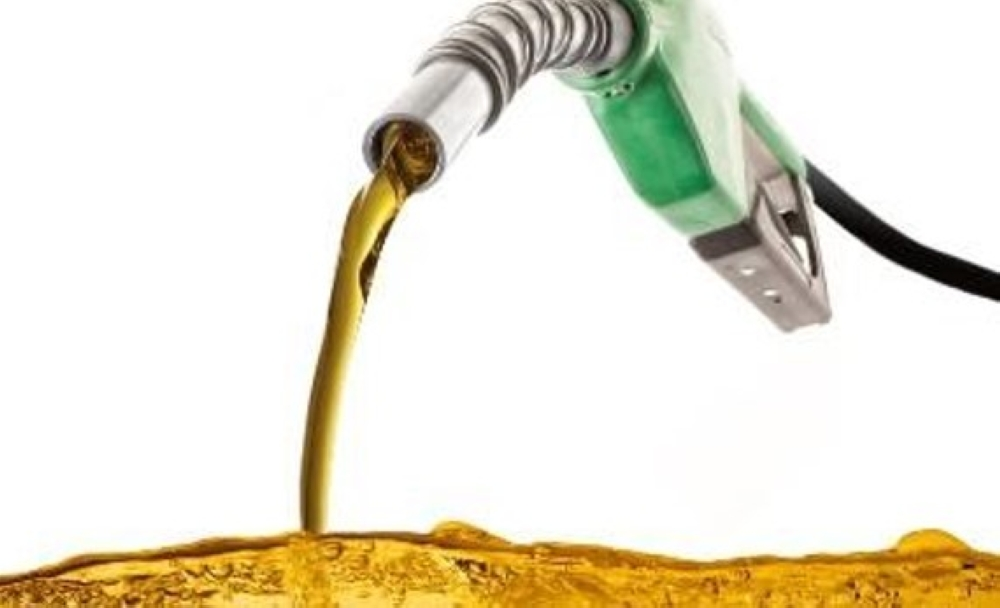
Fuel stations in Saudi Arabia are preparing to receive a new product, "98-octane gasoline," this January, adding to the energy options available to consumers. This development comes as part of the Kingdom's ongoing efforts to diversify its energy sources and meet growing market demands, particularly with the increasing number of sports and luxury vehicles that require specific fuel standards to ensure optimal performance.
The development of the fuel market in Saudi Arabia
The introduction of 98-octane gasoline was not a coincidence, but rather a continuation of the Kingdom's ongoing development of its energy sector. Historically, Saudi Arabia has witnessed radical shifts in the types of fuel used, from leaded to unleaded gasoline, culminating in the adoption of the 91 and 95 octane grades, which met the needs of the vast majority of vehicles for many years. The introduction of 98-octane gasoline today aligns with global technological advancements in engine manufacturing, where manufacturers are now producing highly efficient engines that require fuel with precise specifications.
What is 98 octane gasoline and how does it work?
The Permanent Executive Committee for Service Centers and Fuel Stations (Saudi Fuel) clarified that 98-octane gasoline is a fuel characterized by a high octane rating (RON 98). The octane rating is not a measure of the fuel's energy level, as some believe, but rather a measure of the fuel's resistance to spontaneous combustion (or what is known as knocking) within the combustion chamber under high pressure.
In high-performance engines, the air-fuel mixture is compressed to extremely high ratios before ignition. If the octane rating is low, the mixture may ignite prematurely due to pressure and heat, causing engine damage. This is where 98-octane gasoline comes in; it can withstand this high pressure without premature ignition, ensuring optimal and smooth combustion.
Does your car need 98 octane gasoline?
It is important to emphasize that using 98-octane gasoline in a car designed for 91-octane will not increase its horsepower or make it faster; it may simply be an unnecessary expense. This type of fuel is intended for specific categories:
- Supercars: sports cars that operate with engines that have very high compression ratios.
- High-performance turbocharged cars: where the turbo significantly increases the pressure inside the engine.
- Modified vehicles: those whose programming and components have been modified to run on high-octane fuel.
A quick comparison to choose the most suitable fuel
To make things easier for consumers, the uses can be categorized as follows based on manufacturers' recommendations:
- Gasoline 91: The economical and ideal choice for most family sedans and light commercial vehicles with low to medium compression engines.
- 95 octane gasoline: intended for medium to high performance cars, most European cars and cars with a standard turbo.
- 98 octane gasoline: The elite choice for engines operating under very high internal pressure, to ensure that “knocking” does not occur and to protect the internal engine parts.
In conclusion, the golden rule is always to refer to your car's owner's manual or the sticker on the fuel filler cap. If the manufacturer recommends 98 octane, it's essential to use it to maintain the engine; if they recommend 91 or 95, there's no need to upgrade.