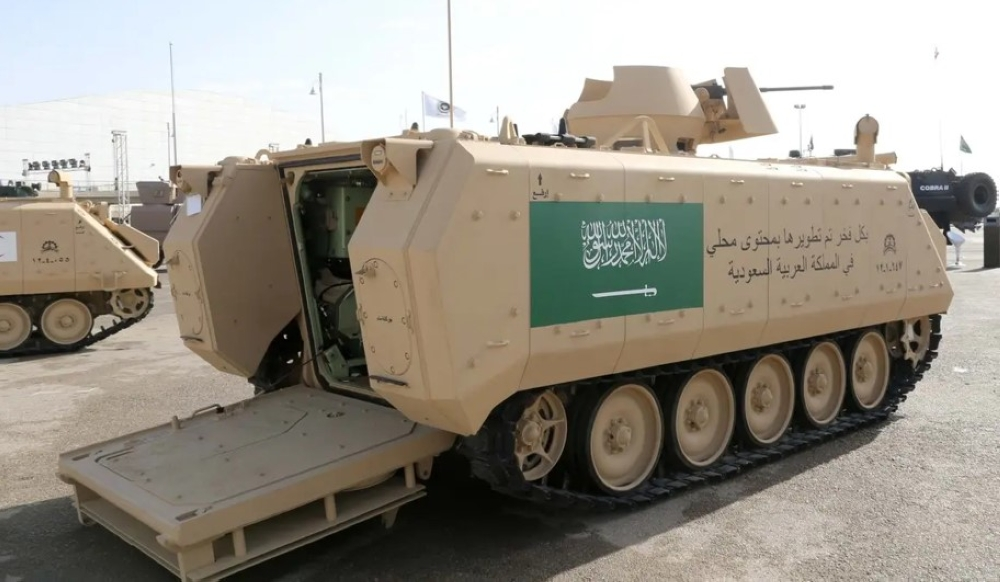
The General Authority for Military Industries (GAMI) in Saudi Arabia announced a new strategic step aimed at enhancing the Kingdom's defense independence by introducing a comprehensive policy for localizing maintenance, repair, overhaul, and operation of military equipment. This policy was launched through the "Istilaa" platform to regulate the sector and clearly define responsibilities among all relevant parties, as part of the Kingdom's ongoing efforts to develop its defense capabilities.
Context of Vision 2030 and Strategic Direction
This step comes as a direct reflection of the Kingdom’s Vision 2030 targets, which set an ambitious goal of localizing more than 50% of the Kingdom’s military spending by 2030. The maintenance and operation of military equipment is a key pillar of this approach, as localizing these jobs contributes to reducing operational costs in the long term and reducing dependence on foreign companies in times of crisis, thus enhancing national security and the sustainability of military supply chains.
Scope of application and balance between readiness and localization
The authority clarified that the new policy will apply to all maintenance contracts related to military and security procurement orders, thus covering all vital sectors, including the land, air, and naval forces, as well as defense electronics and weapons systems. Despite the strong emphasis on localization, the authority stressed the principle of "readiness first," whereby the readiness of forces and equipment remains the top priority if immediate alignment with localization requirements cannot be achieved, reflecting the realism and flexibility of the planning process.
Mechanisms for supporting local contractors and transferring technology
To ensure the success of this policy, the Authority has established incentives for local content. The policy stipulates that maintenance contracts be limited to local contractors when the necessary technical capabilities are available. In cases requiring foreign expertise, the policy permits local contractors to contract with foreign entities, provided that the work performed externally does not exceed 30% of the contract value. A clear plan for transferring knowledge and technology to national talent is also mandatory, which will contribute to creating high-quality job opportunities for young Saudis in specialized engineering and technical fields.
Advance planning and implementation requirements
The policy requires beneficiaries to submit maintenance work plans 24 months prior to contract signing, ensuring sufficient time to assess local capabilities and prepare requirements. This policy is scheduled to take effect 180 days after its publication, giving all parties ample time to adapt to the new standards, which will propel the Kingdom's military maintenance sector to a new level of professionalism and self-sufficiency.