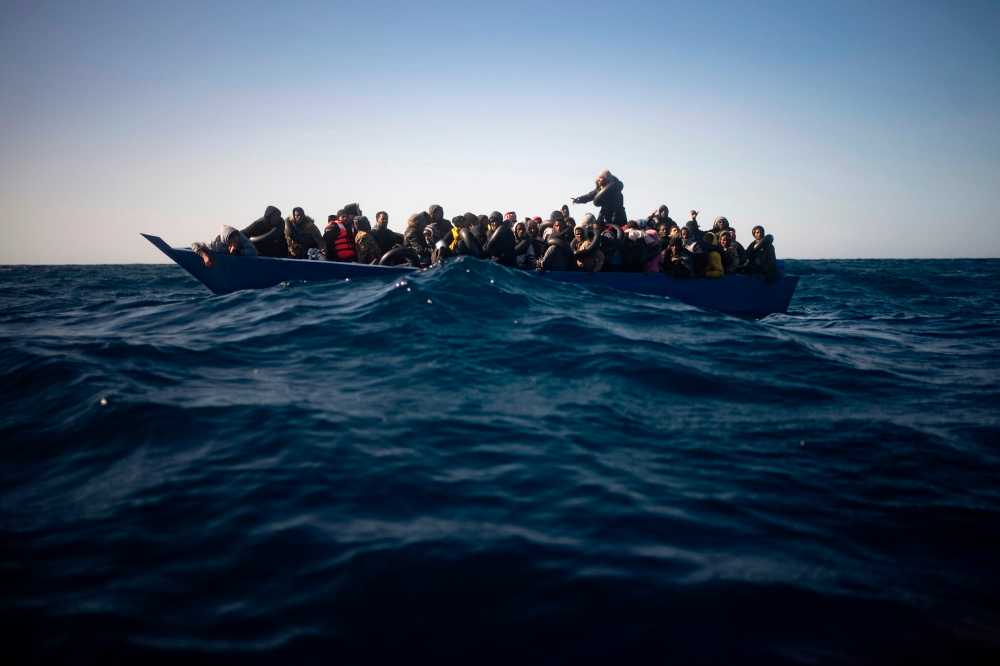
A new humanitarian tragedy has struck the coast of West Africa, with Gambian authorities reporting that at least seven people died and dozens are missing after a boat packed with undocumented migrants sank off the country's coast. The incident, which occurred near the village of Ginak in the North Bank region, once again highlights the grave dangers faced by migrants on their perilous journeys across the Atlantic Ocean.
In a statement released Thursday, the Gambian government explained that the ill-fated boat was carrying more than 200 migrants on a journey believed to have been bound for the Spanish Canary Islands, a major gateway for migrants from West Africa to the European Union. The statement confirmed that Gambian naval forces responded immediately to a distress call, launching a large-scale search and rescue operation involving several warships and coast guard patrols.
Initial rescue efforts resulted in the rescue of 96 people, many of whom were taken to hospitals for treatment. Some were reported to be in critical condition due to severe exhaustion and prolonged exposure to seawater, as well as injuries sustained in the stampede that occurred when the vessel sank. Search operations are ongoing in the area for possible survivors and to recover bodies, amid fears that the death toll could rise given the large number of missing persons.
This incident comes amid a surge in irregular migration along the so-called "Atlantic route," considered one of the world's most dangerous migration routes. The Gambia, a small West African nation, is a major departure point for traditional wooden boats, often dilapidated and ill-equipped for open ocean voyages, and frequently overloaded, making them vulnerable to capsizing in rough seas or strong winds.
Difficult economic conditions, high youth unemployment, and instability in parts of West Africa drive thousands each year to risk their lives on these deadly journeys. International and local organizations constantly warn of the dangers of these voyages, but the dream of reaching Europe continues to motivate many to brave the sea, making the recurrence of such tragic incidents a cause for concern for both the international community and the countries of the region.