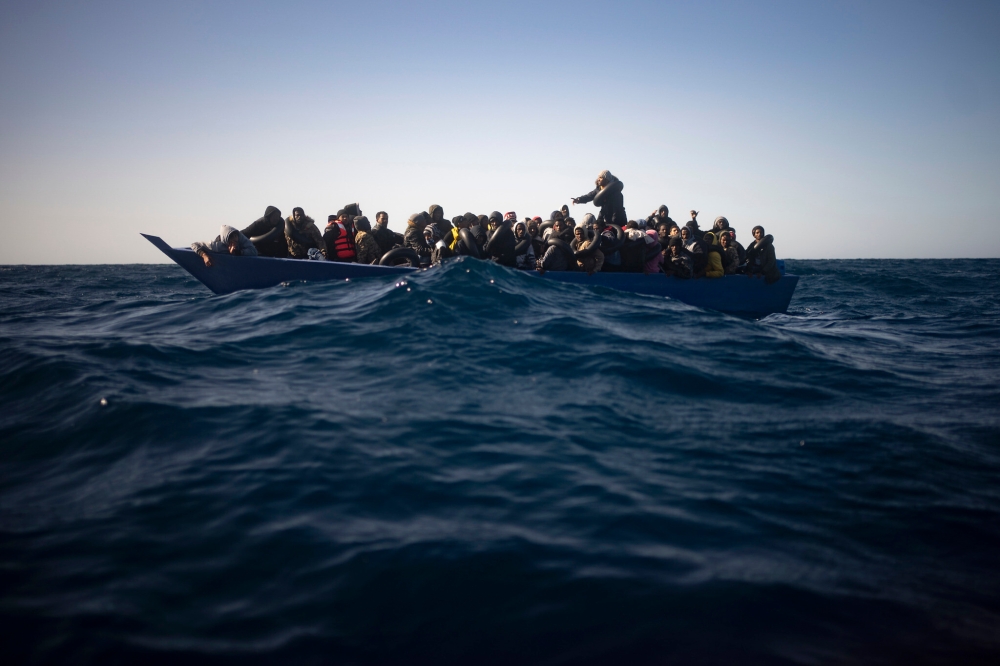
In a tragic update, Gambian authorities announced that the death toll from the sinking of a boat carrying undocumented migrants off the coast of Genak has risen to 31. These new figures underscore the scale of the human tragedy that occurred as dozens attempted to cross the Atlantic Ocean in search of a better life.
Details of the incident and rescue operations
The Gambian Immigration Department stated in an official statement that the ill-fated boat had departed from the town of Ginak late at night, carrying approximately 200 migrants, bound for the Spanish Canary Islands, a gateway to the European Union. Initial investigations indicate that the boat struck an underwater sandbar due to rough sea conditions, causing it to break apart and sink.
The authorities explained that rescue teams and the coast guard were able to rescue 102 migrants, 23 of whom were urgently transferred to hospitals to receive the necessary medical care, while the search is still underway for other missing persons at sea, amid fears of a rise in the number of victims.
The transatlantic migration route: a journey of death
This incident once again highlights the dangers of the “Atlantic route” taken by migrants from West Africa to reach the Canary Islands. This route is considered one of the most dangerous migration routes in the world, as migrants face strong ocean currents and dilapidated boats unfit for long-distance voyages, making the risk of drowning extremely high.
The coasts of West Africa, particularly Gambia, Senegal, and Mauritania, are witnessing a surge in illegal migration boat activity, driven by dire economic conditions, unemployment, and the desire to reach Europe. Despite intensified security efforts, smugglers continue to exploit the desperation of young people and families to organize perilous journeys.
Regional and international repercussions
These recurring incidents are placing increasing pressure on local governments in West Africa to strengthen border controls and create economic opportunities for young people. They also exacerbate the challenges faced by EU countries, particularly Spain, in managing migrant flows and providing relief and shelter in the Canary Islands, which have recently received record numbers of migrants.
It is worth noting that the Gambian authorities had previously announced the death of only 7 people, but the continued recovery of bodies revealed the true extent of the incident, which calls for broader international action to address the root causes of the migration crisis and provide safe and legal pathways.