خطوة استراتيجية نحو توطين الصناعات الدفاعية
في خطوة محورية تهدف إلى تعزيز القدرات الوطنية وتحقيق مستهدفات رؤية السعودية 2030، أبرمت الهيئة العامة للتطوير الدفاعي مذكرة تفاهم مع جامعة الملك عبد العزيز، إحدى أبرز المؤسسات الأكاديمية في المملكة. تهدف هذه الشراكة الاستراتيجية إلى توحيد الجهود بين القطاعين الحكومي والأكاديمي لتأسيس منظومة متكاملة للبحث والابتكار في مجال التقنيات الدفاعية، وبناء قطاع دفاعي مستدام يعزز من الاستقلال التقني للمملكة.
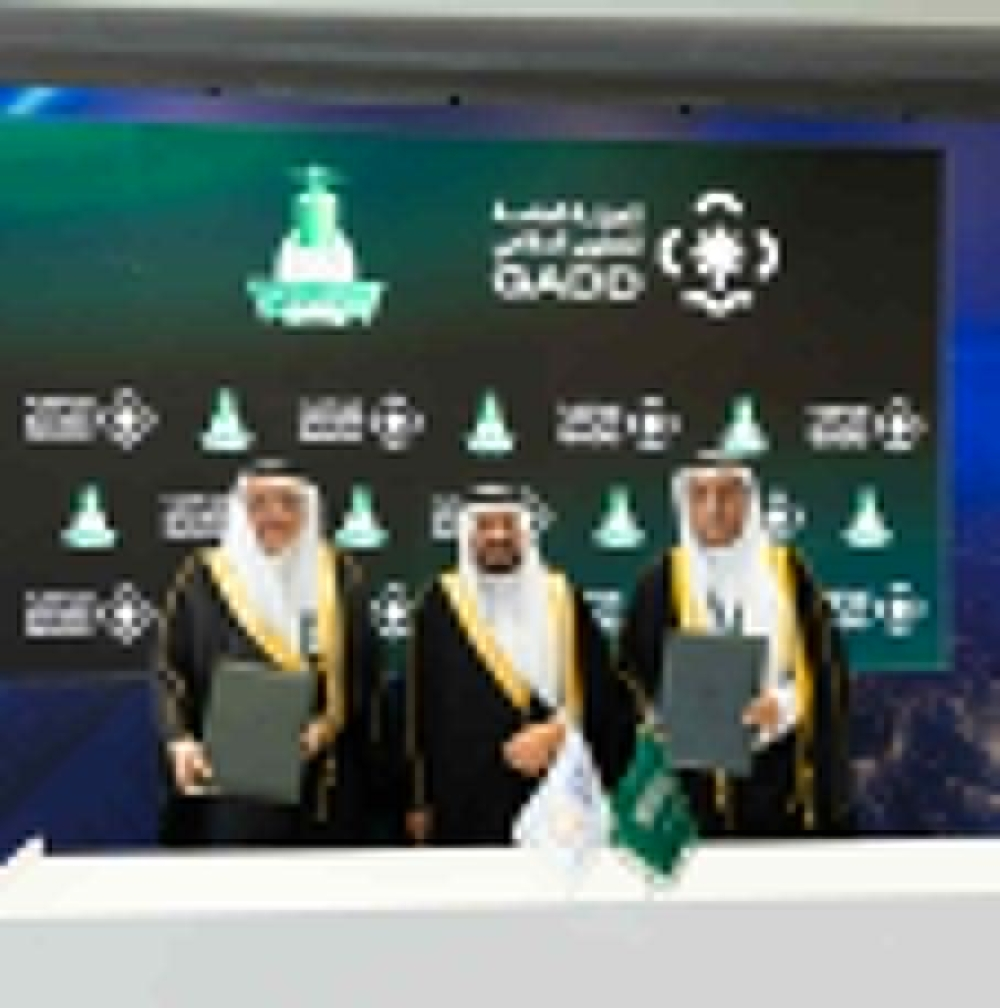
وقّع المذكرة عن الهيئة محافظها الدكتور فالح بن عبد الله السليمان، وعن الجامعة نائب رئيسها للدراسات العليا والبحث العلمي الدكتور أمين بن يوسف نعمان. وتأتي هذه الاتفاقية في إطار السعي الحثيث للمملكة نحو توطين أكثر من 50% من إنفاقها العسكري بحلول عام 2030، وهو ما يتطلب بنية تحتية بحثية قوية وكوادر وطنية مؤهلة.
السياق العام: تمكين قطاع البحث والتطوير الدفاعي
تأسست الهيئة العامة للتطوير الدفاعي لتكون الجهة الوطنية المسؤولة عن تنظيم وتمكين قطاع البحث والتطوير والابتكار في المجالات الدفاعية والأمنية. ويتمثل دورها المحوري في توجيه البوصلة البحثية الوطنية نحو الأولويات الاستراتيجية للقوات العسكرية والأمنية، وتقليل الاعتماد على الواردات الخارجية من خلال تطوير حلول وتقنيات محلية متقدمة. من جانبها، تعد جامعة الملك عبد العزيز صرحاً علمياً رائداً يمتلك إمكانيات بحثية هائلة وكفاءات أكاديمية متميزة، مما يجعلها شريكاً مثالياً لتحويل الأفكار البحثية إلى تطبيقات عملية تخدم القطاع الدفاعي.
أهداف المذكرة وتأثيرها المتوقع
تركز مذكرة التفاهم على إنشاء إطار تعاون شامل يهدف إلى تطوير التقنيات الدفاعية ورفع كفاءة القدرات البحثية الوطنية. ويشمل ذلك الاستثمار المباشر في البنية التحتية التقنية المتقدمة داخل الجامعة، وتوجيه الأبحاث العلمية والأكاديمية نحو المجالات الدقيقة التي تلبي الاحتياجات الفعلية للمنظومة الدفاعية. من خلال هذه الشراكة، سيتم ضمان مواءمة المخرجات العلمية مع المتطلبات العملية، مما يسرّع من وتيرة تحويل الابتكارات إلى منتجات وأنظمة قابلة للاستخدام.
على الصعيد المحلي، يُتوقع أن تسهم هذه الشراكة في خلق فرص عمل نوعية للباحثين والمهندسين السعوديين، وتعزيز الاقتصاد القائم على المعرفة. أما إقليمياً، فإن نجاح المملكة في بناء قدرات دفاعية ذاتية سيعزز من مكانتها كقوة مؤثرة تسهم في استقرار المنطقة. دولياً، تتحول المملكة تدريجياً من مجرد مستورد للتقنيات الدفاعية إلى مساهم فاعل في تطويرها وابتكارها.
برامج مشتركة لتنمية الكفاءات الوطنية
لم يغفل الطرفان أهمية العنصر البشري، حيث اتفقا على تفعيل برامج مشتركة لتنمية الكفاءات الوطنية المتخصصة. ستشمل هذه البرامج تنظيم ندوات علمية وورش عمل دورية تهدف إلى ربط الباحثين السعوديين بأحدث التطورات العالمية في الصناعات الدفاعية. كما يتضمن نطاق التعاون آليات محددة لتبادل الخبرات الاستشارية ونقل المعرفة التقنية العميقة بين الجانبين، لضمان تدفق المعلومات والبيانات المتعلقة بالقدرات البحثية وتوظيفها بالشكل الأمثل، بما يخدم الأهداف الاستراتيجية للطرفين ويرسخ مكانة المملكة كقوة رائدة في مجالات التقنيات المتقدمة.