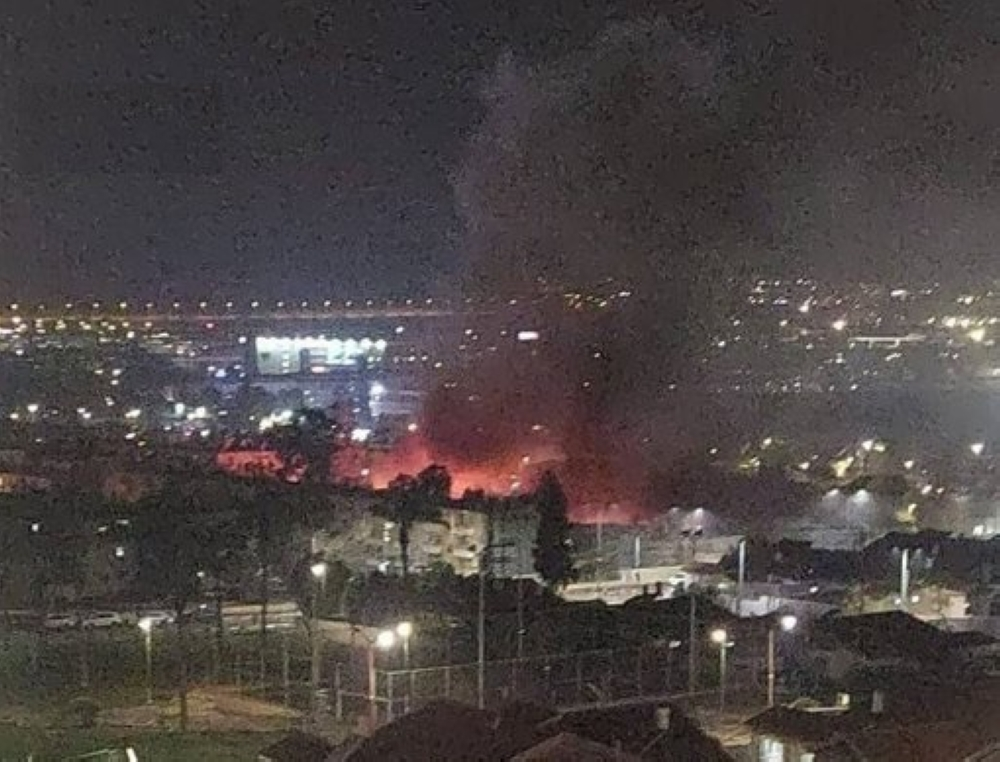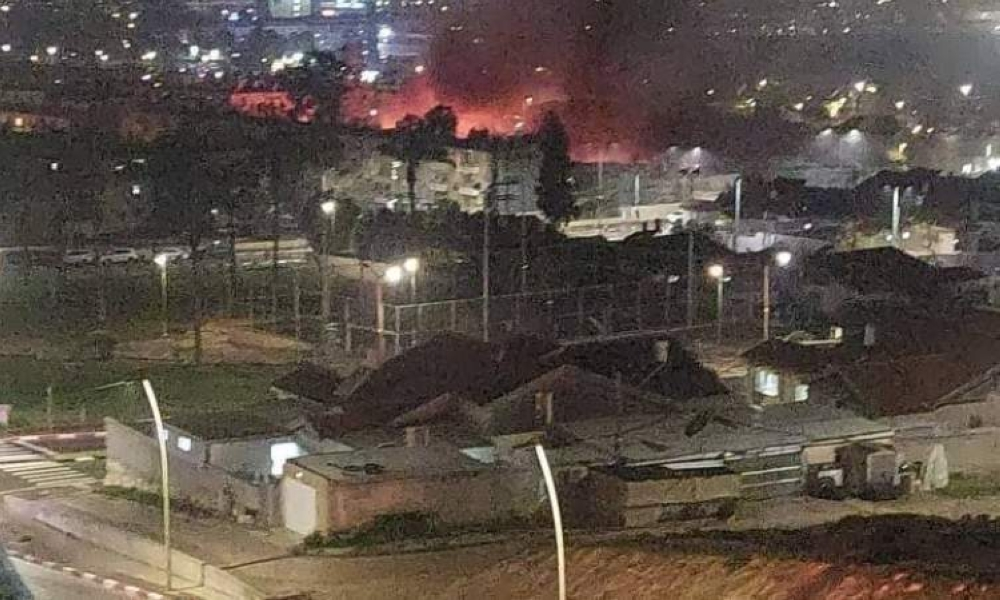
In a significant development on the international stage, the G7 a firm call to Iran, demanding an immediate and unconditional cessation of its “unjustified” attacks on Middle Eastern countries. These statements come amidst an unprecedented escalation of tensions in the region, following a series of retaliatory attacks. The foreign ministers of the G7 member states issued a joint statement emphasizing the need to end all military operations by the Iranian regime and its proxies, and warning of the grave consequences for international peace and security should this escalation continue.
Escalating regional tensions and the G7's firm stance
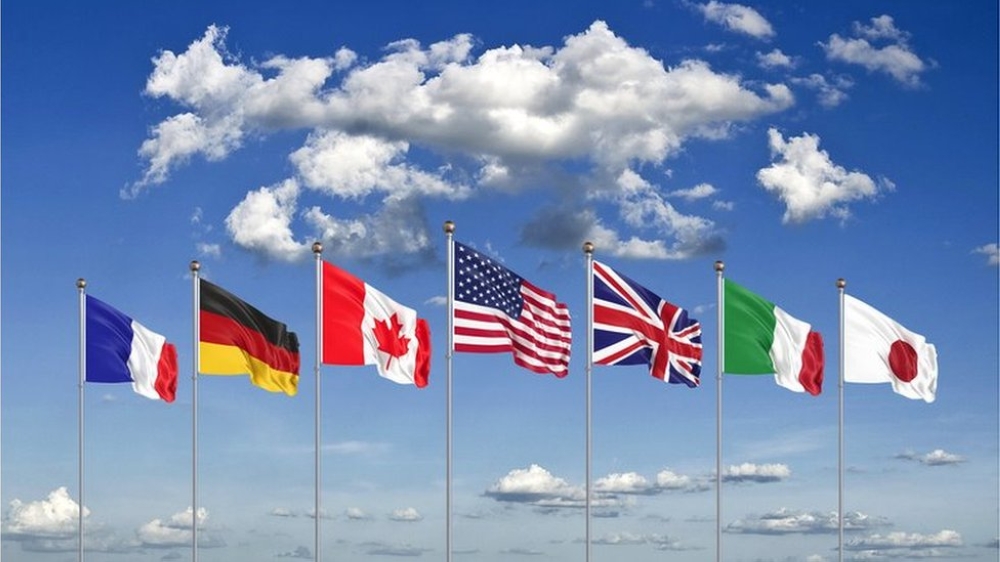
These developments were not spontaneous, but rather the culmination of a series of accumulated tensions in the Middle East. Historically, the region has witnessed proxy conflicts and persistent tensions between Iran and Israel, which have recently escalated with the exchange of direct military strikes. In this context, the role of the G7 has become prominent. This group comprises major economic and political powers: the United States, the United Kingdom, France, Germany, Italy, Canada, and Japan, along with the High Representative of the European Union. These countries have consistently sought to play a pivotal role in de-escalating regional crises and preventing the region from sliding into a full-blown war that could destabilize the entire world. In its latest statement, the G7 expressed its full support for its partners in the Middle East in the face of the unjustified attacks launched by the Islamic Republic of Iran and its proxies.
The repercussions of the escalation on regional and international security
This event is of paramount importance and has far-reaching implications that extend beyond the geographical boundaries of the Middle East. Locally and regionally, the ongoing Iranian attacks threaten to exacerbate instability, jeopardizing the security of neighboring states and hindering development and peace efforts. Internationally, the continuation of these tensions presents the international community with complex security challenges, as major powers fear the conflict could escalate into open military confrontation, potentially drawing in other international actors. For this reason, the foreign ministers reiterated their support for the right of the countries that have been attacked to defend their territories and protect their citizens, reaffirming their unwavering support for their security, sovereignty, and territorial integrity.
Protecting maritime transport routes and stabilizing energy markets
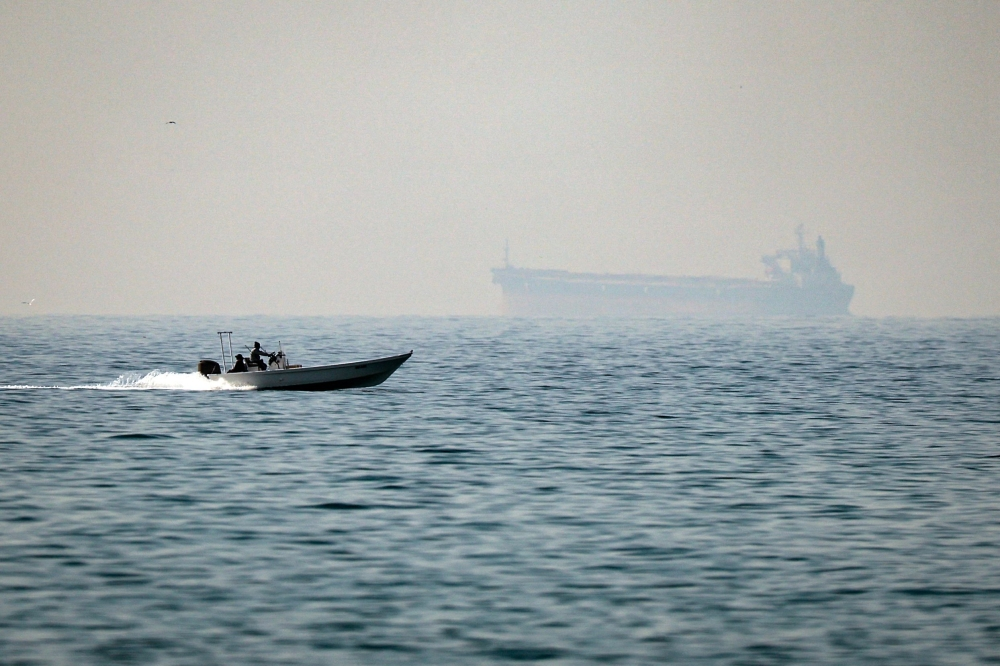
One of the key points emphasized by the G7 nations in their statement was the issue of maritime security, a vital artery for the global economy. Regarding shipping in the Strait of Hormuz, the group stressed the importance of safeguarding maritime transport routes and ensuring the safety of navigation, particularly in this strategic strait and other major waterways connected to it. It is worth noting that approximately one-fifth of the world's oil production passes through the Strait of Hormuz, making it a critical chokepoint. Any threat to or disruption of shipping in this region would not only affect the Middle East but would also disrupt global supply chains, leading to sharp fluctuations in oil prices and instability in energy markets. Therefore, protecting these waterways is a top priority to ensure the continued flow of global trade and prevent new economic crises.